terrible
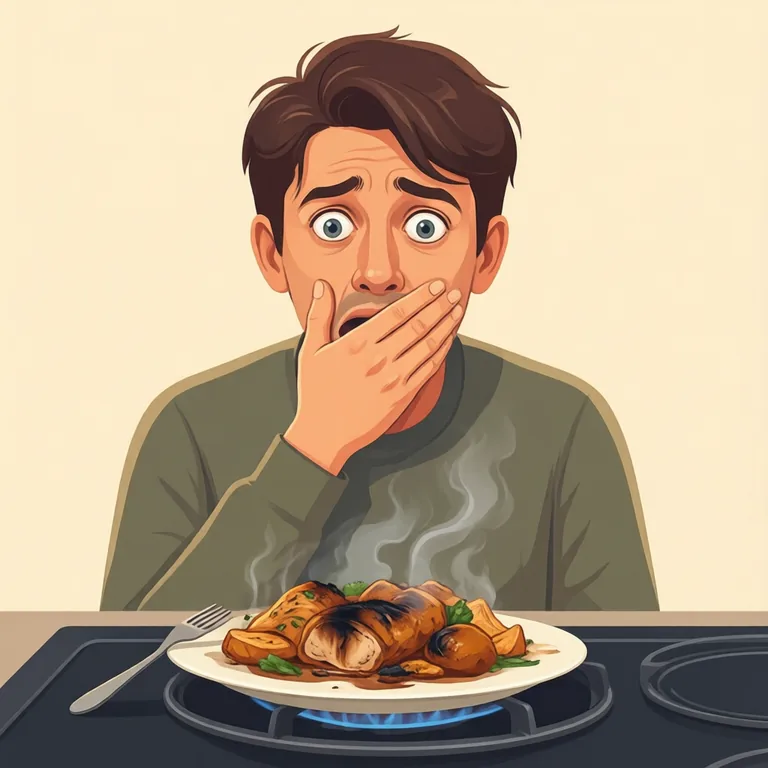
- adj. 糟糕的
- adj. 令人不快的
- adj. 可怕的
- Definition
- adj. extremely bad
- adj. unpleasant
- adj. causing great fear
- Example
- The traffic this morning was terrible and made everyone late.
- 今天早上的交通糟糕透了,害得大家都迟到了。
Synonyms & Differences 近义词辨析
Compared meaning: of low or poor quality (adjective).
比较义项:形容事物质量差、令人不满意(形容词)。
- bad
The plainest, most general word for low quality; neutral in tone and usable in almost any everyday context without special collocations.
最普通、最基础的表示质量差的词,语气中性,几乎可以用于任何日常语境,没有特殊搭配限制。
The milk went bad after sitting out all day.
牛奶放了一整天后变坏了。
- sorry
Describes something pitifully inadequate or in a sad state, evoking sympathy or contempt; used in set phrases like 'a sorry excuse' or 'a sorry sight', rarely to describe simple everyday quality.
形容某物可怜地、令人遗憾地处于低劣或糟糕的状态,带有同情或轻蔑的意味,常用于固定搭配如“a sorry excuse”(拙劣的借口)或“a sorry sight”(可怜的景象),很少用来形容普通日常质量。
The garden was a sorry sight after months of neglect.
经过几个月的疏于打理,花园变得一片荒芜,景象凄凉。
- terrible 本词
Intensifies 'bad' to mean extremely poor quality or a serious problem; more emotionally charged and often used for dramatic emphasis.
是 bad 的强化说法,表示质量极差或问题严重,情感色彩更强,常用于强调语气。
The service at that restaurant was terrible, so we never went back.
那家餐厅的服务糟糕透了,所以我们再也没去过。
Bad, sorry, and terrible can all describe poor quality. Bad is plainest, most neutral, everyday word. Terrible is stronger, meaning extremely poor or serious. Sorry suggests something pitiful or sad, used in set phrases like 'a sorry excuse'. Sorry's meaning 'feeling regret' is not compared.
这三个词都能形容某事物“不好”,但程度和语气不同:bad 最基础、最中性;terrible 语气更强,强调“极其糟糕”;sorry 带有惋惜、可怜的意味,常用于固定搭配(a sorry state/sight/excuse),语域偏书面。这里不比较 sorry 表示“感到抱歉、难过”的义项(如 feel sorry for someone)。
Compared meaning: very bad or frightening (adjective).
比较义项:可怕的、非常糟糕的(形容词)。
- horrible
A strong, informal word for something extremely unpleasant or disgusting, like a bad smell or experience; unlike scary, it does not suggest fear, and unlike dire, it is common in casual, everyday complaints.
语气随意、程度很强的词,形容气味或经历等极其令人不快、令人反感的事物;和 scary 不同,它不含“恐惧”之意;也不像 dire 那样正式,常用于日常抱怨。
The smell in the basement was horrible, like something had died down there.
地下室里的气味很 horrible,就像有什么东西死在那里一样。
- scary
Describes something that causes fear or fright, such as a story, animal, or situation; unlike horrible, terrible, or dire, it is not used for something merely bad in quality or seriousness.
形容引发恐惧或惊吓的事物,比如故事、动物或某种情境;和 horrible、terrible、dire 不同,它不用来形容单纯质量差或情况严重的事物。
The movie's ending was so scary that I couldn't sleep that night.
这部电影的结局太 scary 了,那天晚上我都没睡着。
- dire
A formal word for a situation that is extremely serious, urgent, or grave, often about danger, need, or consequences; it is not used for everyday annoyances like bad food or weather.
较为正式的词,形容情况万分严重、危急,常用于危险、需求或后果;不用来形容食物、天气等日常琐碎的不快。
Doctors warned that his condition was dire and he needed surgery immediately.
医生警告说他的病情很 dire,需要立即做手术。
- terrible 本词
A very common, general word for something extremely bad; it can also describe someone's poor skill at an activity ('terrible at cooking'), a casual use that horrible does not share as naturally.
非常常用的通用词,形容极其糟糕的事物;也可以形容某人在某件事上做得很差(如“terrible at cooking”,意为不擅长做饭),这种口语用法不如 horrible 那样自然。
She's terrible at parallel parking and always hits the curb.
她在侧方停车方面很 terrible,总是会撞到路缘。
Horrible, scary, dire and terrible can mean very bad, but focus differs. Horrible describes something unpleasant, like a bad smell. Scary describes something that causes fear. Dire is formal, for a serious, urgent situation. Terrible is common, and can also mean poor at a skill.
这几个词都能表示“很糟糕”或“可怕”,但侧重不同:horrible 和 terrible 多用于日常抱怨,泛指令人不快或质量很差的事物;dire 语气更正式,专指情况万分严重、危急;scary 则专指引发恐惧的事物。这里不涉及 terrible 表示“在某方面很差、不擅长”的引申用法。