bad
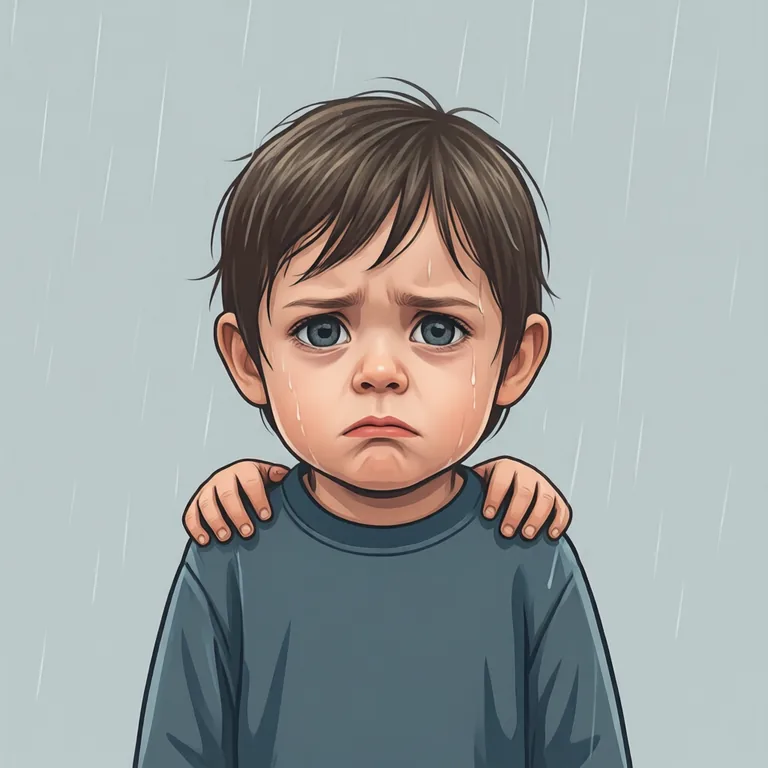
- adj. 坏的
- adj. 品行不好的
- n. 坏事
- Definition
- adj. not good in quality or condition
- adj. not good in character
- n. something that is bad or unpleasant
- Example
- The weather turned bad right before the picnic started.
- 野餐刚要开始时天气就变坏了。
Synonyms & Differences 近义词辨析
Compared meaning: of low or poor quality (adjective).
比较义项:形容事物质量差、令人不满意(形容词)。
- bad 本词
The plainest, most general word for low quality; neutral in tone and usable in almost any everyday context without special collocations.
最普通、最基础的表示质量差的词,语气中性,几乎可以用于任何日常语境,没有特殊搭配限制。
The milk went bad after sitting out all day.
牛奶放了一整天后变坏了。
- sorry
Describes something pitifully inadequate or in a sad state, evoking sympathy or contempt; used in set phrases like 'a sorry excuse' or 'a sorry sight', rarely to describe simple everyday quality.
形容某物可怜地、令人遗憾地处于低劣或糟糕的状态,带有同情或轻蔑的意味,常用于固定搭配如“a sorry excuse”(拙劣的借口)或“a sorry sight”(可怜的景象),很少用来形容普通日常质量。
The garden was a sorry sight after months of neglect.
经过几个月的疏于打理,花园变得一片荒芜,景象凄凉。
- terrible
Intensifies 'bad' to mean extremely poor quality or a serious problem; more emotionally charged and often used for dramatic emphasis.
是 bad 的强化说法,表示质量极差或问题严重,情感色彩更强,常用于强调语气。
The service at that restaurant was terrible, so we never went back.
那家餐厅的服务糟糕透了,所以我们再也没去过。
Bad, sorry, and terrible can all describe poor quality. Bad is plainest, most neutral, everyday word. Terrible is stronger, meaning extremely poor or serious. Sorry suggests something pitiful or sad, used in set phrases like 'a sorry excuse'. Sorry's meaning 'feeling regret' is not compared.
这三个词都能形容某事物“不好”,但程度和语气不同:bad 最基础、最中性;terrible 语气更强,强调“极其糟糕”;sorry 带有惋惜、可怜的意味,常用于固定搭配(a sorry state/sight/excuse),语域偏书面。这里不比较 sorry 表示“感到抱歉、难过”的义项(如 feel sorry for someone)。
Compared meaning: food that has gone off (adjective).
比较义项:变质、不新鲜(形容词)。
- bad 本词
A general, mild word for food that has gone off; gives no detail about how — could be sour, moldy, or just off-tasting. Common in casual speech, e.g. 'the milk went bad.'
泛指食物变质的通用词,语气较轻,不说明具体怎么变质——可能是变酸、发霉或只是味道不对。常用于口语,例如“牛奶变质了”。
The weather turned bad right before the picnic started.
野餐刚开始天气就变坏了。
- stale
Describes food, especially bread or baked goods, that has lost its freshness through age or exposure to air — dry, hard, or flat-tasting, but not spoiled or unsafe to eat.
特指面包、糕点等食物因放置过久或接触空气而失去新鲜感——变干、变硬或味道平淡,但并未腐坏,通常仍可食用。
The bread on the counter had gone stale overnight.
放在台面上的面包一夜之间就不新鲜了。
- rotten
The strongest term: describes food that has decayed, often with visible mold or a foul smell, and is no longer safe to eat. Carries a stronger, more vivid negative sensory tone than 'bad' or 'stale.'
语气最强的词:指食物已经腐烂,常伴有可见的霉斑或恶臭,已不能食用。比 bad 和 stale 带有更强烈、更具画面感的负面感官色彩。
We threw away the rotten apples before they attracted flies.
我们把腐烂的苹果扔掉了,以免招来苍蝇。
Bad, stale, and rotten describe food that has gone off. Bad is mildest and most general. Stale means food, especially bread, has lost freshness, not spoiled. Rotten is strongest, meaning decayed. Bad's 'poor quality' sense and rotten's 'morally bad' sense are not compared.
这三个词都可以形容食物等变得不好,但程度和具体含义不同:bad 最笼统、语气最轻,只说明状态不好;stale 特指不再新鲜(如面包变硬、变味);rotten 程度最重,指已经腐烂、发臭,甚至带有强烈的负面感官色彩。这里不比较 bad 的“坏的、恶劣的”这一更广泛的用法(如坏天气、坏消息),也不比较 rotten 的“道德堕落”这一比喻义。
Compared meaning: bad in character or morality (adjective).
比较义项:品性不好、邪恶(形容词)。
- bad 本词
The mildest, most general word for not good in character; weak in intensity, everyday register, can describe minor faults rather than serious wrongdoing.
语气最弱、最笼统的词,泛指品性不好;程度较轻,语域随意,可能只是小毛病,不一定是严重的恶行。
He was a bad kid growing up, always getting into trouble at school.
他小时候是个坏孩子,在学校总是惹麻烦。
- evil
A strong word for what is morally wrong or extremely harmful; implies real wickedness or malicious intent, often used for villains, deeds, or forces, not minor faults.
语气强烈,指在道德上错误或极具危害性;暗示真正的邪恶或恶意,常用于反派、恶行或邪恶力量,而非日常小毛病。
The story's evil villain was finally defeated in the end.
故事里那个邪恶的反派最终被击败了。
- sinister
Describes an ominous impression or appearance suggesting hidden evil or danger, rather than confirmed wrongdoing; often used for looks, tones, smiles, or atmosphere.
描述给人的不祥、阴森印象,暗示可能隐藏着邪恶或危险,而非已证实的恶行;常用于描写神情、语气、微笑或氛围。
There was something sinister about the stranger's quiet smile.
那个陌生人安静的微笑中透着一丝不祥。
Bad, evil, and sinister all describe bad character. Bad is mildest, for minor faults, not serious wrongdoing. Evil is strong, meaning wicked, for villains or deeds. Sinister means looking evil or dangerous, without wrongdoing. Bad's 'poor quality' and evil's 'wickedness' senses are not compared.
这三个词都可以形容人或事物在品性上不好,但程度和用法差别很大:bad 语气最弱、最笼统,evil 语气最强、指真正的邪恶,sinister 则偏重“看起来邪恶、令人不安”的印象。这里不比较 bad 表示“质量差”或“天气恶劣”的用法,也不比较 evil 作名词表示“罪恶”的用法。