rotten
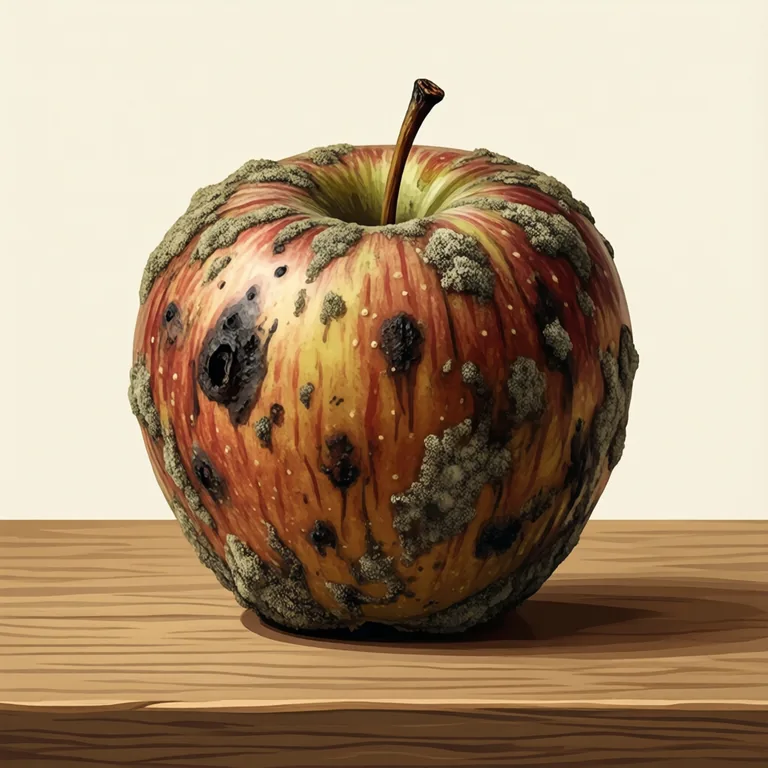
- adj. 腐烂的
- adj. 恶臭的
- adj. 堕落的
- adj. 虚弱的
- Definition
- adj. decayed
- adj. foul-smelling
- adj. morally corrupt
- adj. physically weak
- Example
- We threw away the rotten apples before they attracted flies.
- 我们把烂苹果扔掉了,免得招来苍蝇。
Synonyms & Differences 近义词辨析
Compared meaning: food that has gone off (adjective).
比较义项:变质、不新鲜(形容词)。
- bad
A general, mild word for food that has gone off; gives no detail about how — could be sour, moldy, or just off-tasting. Common in casual speech, e.g. 'the milk went bad.'
泛指食物变质的通用词,语气较轻,不说明具体怎么变质——可能是变酸、发霉或只是味道不对。常用于口语,例如“牛奶变质了”。
The weather turned bad right before the picnic started.
野餐刚开始天气就变坏了。
- stale
Describes food, especially bread or baked goods, that has lost its freshness through age or exposure to air — dry, hard, or flat-tasting, but not spoiled or unsafe to eat.
特指面包、糕点等食物因放置过久或接触空气而失去新鲜感——变干、变硬或味道平淡,但并未腐坏,通常仍可食用。
The bread on the counter had gone stale overnight.
放在台面上的面包一夜之间就不新鲜了。
- rotten 本词
The strongest term: describes food that has decayed, often with visible mold or a foul smell, and is no longer safe to eat. Carries a stronger, more vivid negative sensory tone than 'bad' or 'stale.'
语气最强的词:指食物已经腐烂,常伴有可见的霉斑或恶臭,已不能食用。比 bad 和 stale 带有更强烈、更具画面感的负面感官色彩。
We threw away the rotten apples before they attracted flies.
我们把腐烂的苹果扔掉了,以免招来苍蝇。
Bad, stale, and rotten describe food that has gone off. Bad is mildest and most general. Stale means food, especially bread, has lost freshness, not spoiled. Rotten is strongest, meaning decayed. Bad's 'poor quality' sense and rotten's 'morally bad' sense are not compared.
这三个词都可以形容食物等变得不好,但程度和具体含义不同:bad 最笼统、语气最轻,只说明状态不好;stale 特指不再新鲜(如面包变硬、变味);rotten 程度最重,指已经腐烂、发臭,甚至带有强烈的负面感官色彩。这里不比较 bad 的“坏的、恶劣的”这一更广泛的用法(如坏天气、坏消息),也不比较 rotten 的“道德堕落”这一比喻义。