dire
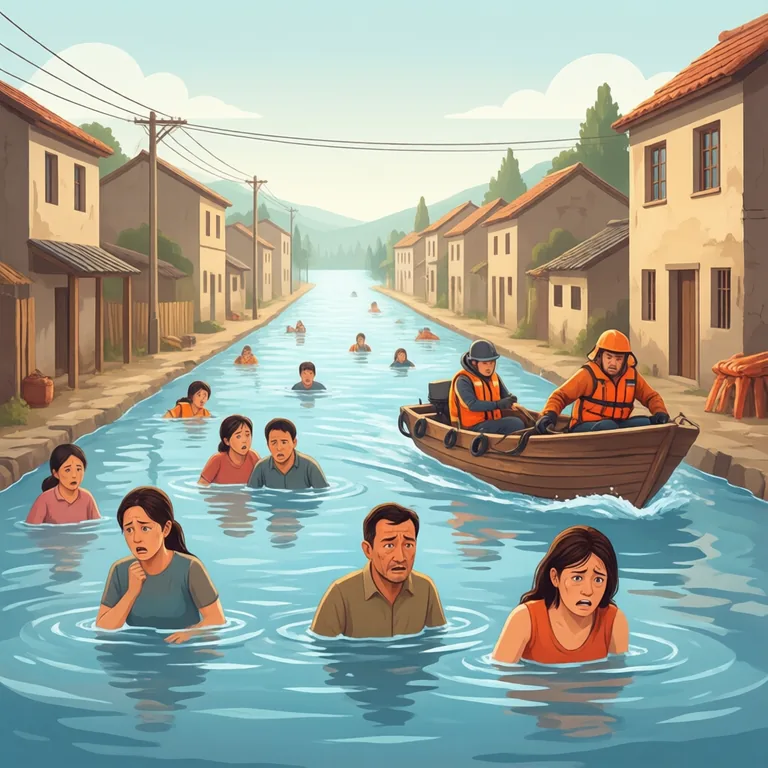
- adj. 极其严重的
- adj. 紧急的
- adj. 可怕的
- Definition
- adj. extremely serious
- adj. urgent
- adj. terrible
- Example
- The flooded village was in dire need of clean water.
- 洪水淹没的村庄急需干净的水。
Synonyms & Differences 近义词辨析
Compared meaning: very serious or dangerous (adjective).
比较义项:严重的、危险的(程度深、情况危急)(形容词)。
- critical
Used mainly for a point where someone's life is in immediate danger, especially in medicine ('critical condition'); also suggests a decisive turning point. More clinical and urgent than serious.
主要用于形容生命垂危、情况危急的时刻,尤其用在医学语境中(如“病危”);也可表示决定性的关键时刻。语气比 serious 更专业、更紧迫。
After the crash, the driver was rushed to hospital in critical condition.
车祸后,司机被紧急送往医院,伤势危重。
- serious
The mildest, most general term here, covering injuries, illnesses or problems that are bad but not necessarily life-threatening. Fits many everyday situations where the other three would sound too strong.
四个词中语气最温和、最笼统,可泛指伤情、疾病或问题“严重”,但不一定危及生命。适用于许多日常场合,换成其他三个词会显得语气过重。
He suffered a serious knee injury that kept him out of sport for months.
他膝盖严重受伤,好几个月都不能参加运动。
- dire 本词
The strongest word here, stressing extreme severity and urgency and often warning of a bad outcome to come. Typically fixed with 'need', 'consequences' or 'straits'; sounds dramatic or literary.
四个词中语气最强,强调程度极其严重、情况紧迫,常带有警示即将发生坏结果的意味。常与“需要”(need)、“后果”(consequences)、“困境”(straits)等词固定搭配,语体偏夸张、文学化。
After the earthquake, survivors were in dire need of food, water and shelter.
地震过后,幸存者们极度需要食物、水和住所。
- severe
Focuses on the intensity of something bad, such as pain, weather, damage or punishment, without necessarily implying danger to life. Common with weather, injuries and penalties.
侧重形容坏事的强度或程度,例如疼痛、天气、损失或惩罚,但不一定意味着生命垂危。常与天气、伤情和处罚等词搭配使用。
The storm caused severe damage to the old bridge, closing it for repairs.
那场暴风雨给那座老桥造成了严重损坏,桥梁因此关闭维修。
Critical, serious, dire and severe all describe something dangerous, but strength differs. Critical means life is in immediate danger. Serious is mildest, covering bad but not life-threatening problems. Dire is strongest, warning of extreme danger. Severe stresses intensity, like pain or weather, without implying danger.
这四个词都可用来形容伤情、天气或局势的严重、危险程度,但紧迫感和语气强弱不同:dire 语气最强,serious 语气最温和;这里不比较 critical 表示“批评的”这一义项,也不比较 serious 表示人的神情或态度“严肃认真”的这一义项。
Compared meaning: very bad or frightening (adjective).
比较义项:可怕的、非常糟糕的(形容词)。
- horrible
A strong, informal word for something extremely unpleasant or disgusting, like a bad smell or experience; unlike scary, it does not suggest fear, and unlike dire, it is common in casual, everyday complaints.
语气随意、程度很强的词,形容气味或经历等极其令人不快、令人反感的事物;和 scary 不同,它不含“恐惧”之意;也不像 dire 那样正式,常用于日常抱怨。
The smell in the basement was horrible, like something had died down there.
地下室里的气味很 horrible,就像有什么东西死在那里一样。
- scary
Describes something that causes fear or fright, such as a story, animal, or situation; unlike horrible, terrible, or dire, it is not used for something merely bad in quality or seriousness.
形容引发恐惧或惊吓的事物,比如故事、动物或某种情境;和 horrible、terrible、dire 不同,它不用来形容单纯质量差或情况严重的事物。
The movie's ending was so scary that I couldn't sleep that night.
这部电影的结局太 scary 了,那天晚上我都没睡着。
- dire 本词
A formal word for a situation that is extremely serious, urgent, or grave, often about danger, need, or consequences; it is not used for everyday annoyances like bad food or weather.
较为正式的词,形容情况万分严重、危急,常用于危险、需求或后果;不用来形容食物、天气等日常琐碎的不快。
Doctors warned that his condition was dire and he needed surgery immediately.
医生警告说他的病情很 dire,需要立即做手术。
- terrible
A very common, general word for something extremely bad; it can also describe someone's poor skill at an activity ('terrible at cooking'), a casual use that horrible does not share as naturally.
非常常用的通用词,形容极其糟糕的事物;也可以形容某人在某件事上做得很差(如“terrible at cooking”,意为不擅长做饭),这种口语用法不如 horrible 那样自然。
She's terrible at parallel parking and always hits the curb.
她在侧方停车方面很 terrible,总是会撞到路缘。
Horrible, scary, dire and terrible can mean very bad, but focus differs. Horrible describes something unpleasant, like a bad smell. Scary describes something that causes fear. Dire is formal, for a serious, urgent situation. Terrible is common, and can also mean poor at a skill.
这几个词都能表示“很糟糕”或“可怕”,但侧重不同:horrible 和 terrible 多用于日常抱怨,泛指令人不快或质量很差的事物;dire 语气更正式,专指情况万分严重、危急;scary 则专指引发恐惧的事物。这里不涉及 terrible 表示“在某方面很差、不擅长”的引申用法。