pain
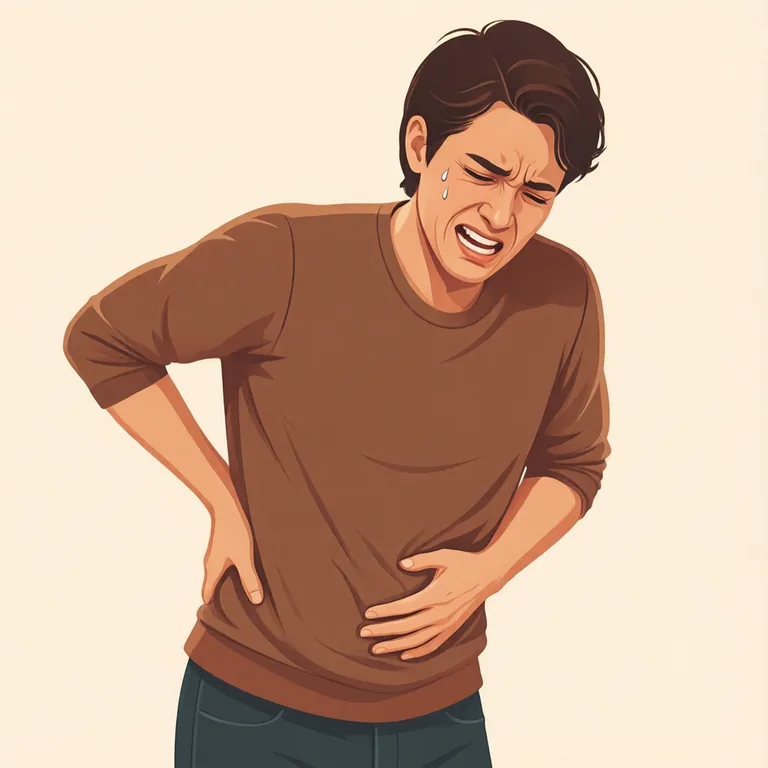
- n. 疼痛, 痛苦
- n. 讨厌的人
- v. 使痛苦
- Definition
- n. an uncomfortable feeling in the body or mind caused by injury or distress
- n. a person who causes trouble or annoyance
- v. to cause someone to feel pain or distress
- Example
- She felt a sharp pain in her back after lifting the chair.
- 她搬椅子后背部感到一阵剧痛。
Synonyms & Differences 近义词辨析
Compared meaning: to cause emotional suffering (verb).
比较义项:使人痛苦、伤心(动词)。
- pain 本词
Formal or literary; used to say something causes sadness or distress, often in a pattern like 'it pains someone to...'. Milder and more restrained than anguish, and less common in everyday speech than hurt.
较为正式或书面化,常用来表示某事令人感到悲伤或痛苦;语气比anguish克制,也不像hurt那样常用于日常口语。
It pained her to watch her once-proud father need help with simple tasks.
看着曾经骄傲的父亲连简单的事都需要人帮忙,这让她感到很痛心。
- hurt
The everyday, most common choice; describes causing emotional pain, especially through words, actions or rejection, often between people who are close. Neutral in register and used constantly in daily conversation.
日常生活中最常用的词,指用言语、行为或冷落等方式使人(尤其是亲近的人)感到伤心;语气中性,在口语中使用频率很高。
His careless remark about her weight really hurt her feelings.
他关于她体重的那句随口评论,真的伤了她的心。
- anguish
Rare and literary; means to cause intense, prolonged mental suffering, usually from fear, grief or uncertainty. Stronger than pain or hurt, and mostly used in serious or dramatic writing.
较为少见、文学化的词,指使人感到强烈而持续的精神痛苦,多源于恐惧、悲伤或不确定感;程度比pain和hurt都更强,多用于较严肃或戏剧化的语境。
Not knowing whether her missing son was alive anguished her every single night.
不知道失踪的儿子是否还活着,这件事让她每晚都痛苦不堪。
Pain, hurt, and anguish all mean causing emotional suffering. Pain is formal and literary, milder. Hurt is the everyday word, for pain from words, actions, or rejection. Anguish is rare and literary, meaning intense suffering from grief or fear. Hurt means physical injury, not compared.
这三个词都可以表示“使某人感到痛苦或伤心”,但语气和正式程度不同:hurt最常用于日常口语,pain和anguish更书面、更文学化,anguish程度也最强,多指长期或强烈的精神煎熬。此外,hurt更常见的义项是“(身体)受伤”,这里不比较该义项。
Compared meaning: an annoying person or thing (noun).
比较义项:讨厌的人或令人烦恼的事物(名词)。
- pain 本词
Informal and often humorous; usually describes a person (or their behavior) that irritates you directly, as in the phrase 'a pain in the neck'; rarely used for abstract situations.
非正式,常带戏谑语气;通常直接指惹恼你的人(或其行为),如短语“a pain in the neck”;很少用来指抽象的情况。
My little cousin is such a pain when he keeps interrupting every conversation.
我表弟老是打断每次谈话,真是个讨厌鬼。
- nuisance
Neutral, everyday word for a person, animal, or thing that repeatedly causes trouble or inconvenience; common with pests, noise, or minor public problems.
中性的日常用词,指反复造成麻烦或不便的人、动物或事物;常用于害虫、噪音或轻微的公共问题。
The mosquitoes buzzing around the porch were a real nuisance all summer.
整个夏天,在门廊边嗡嗡叫的蚊子真是让人讨厌。
- annoyance
More formal and often abstract; usually names the feeling of irritation itself or names a minor inconvenience, and is not typically used to describe a person.
更正式、更抽象;通常指恼怒的感觉本身,或指一次小小的不便,一般不用来形容人。
The delayed flight was a minor annoyance, but nothing that ruined the trip.
航班延误只是个小麻烦,并没有毁掉这次旅行。
Pain, nuisance, and annoyance can all mean something annoying. Pain is informal, often for a person who irritates you. Nuisance is neutral, for a person or thing that repeatedly causes trouble. Annoyance is formal and abstract, usually the feeling itself, not used for a person.
这三个词都可以表示“讨厌的人或事”,但语气和用法不同:pain 非正式且常直接用于人,nuisance 中性,常指反复惹麻烦的人、动物或事物,annoyance 更正式、更抽象,多指令人恼怒的事或感觉本身,一般不用来形容人。这里不比较 pain 的“疼痛”义。