hurt
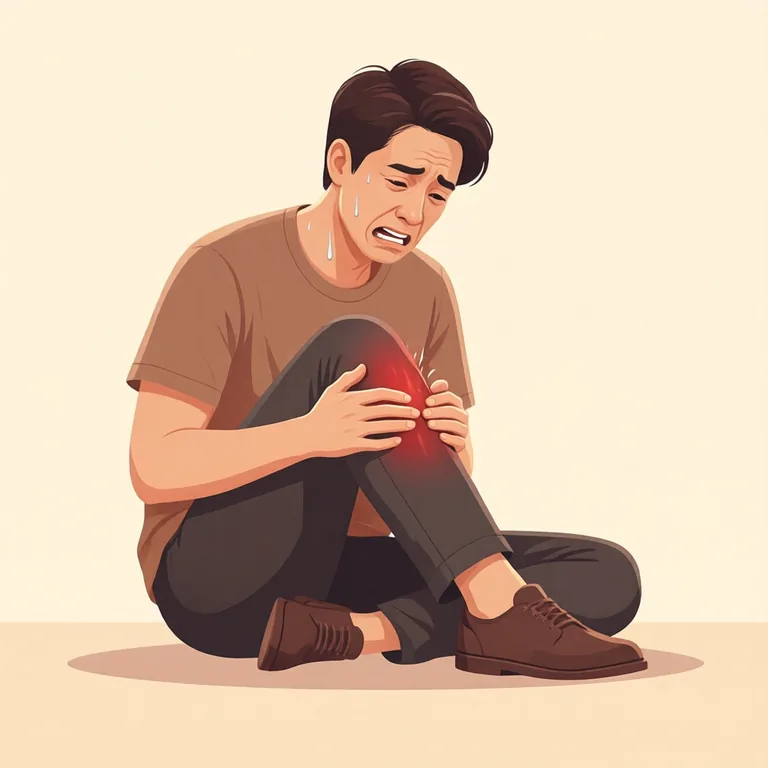
- v. 伤害
- v. 使伤心
- adj. 受伤的, 受损的
- n. 伤害, 创伤, 损害
- Definition
- v. to cause pain or injury to someone
- v. to cause sadness to someone
- adj. physically injured or damaged
- n. physical or emotional pain or damage
- Example
- She hurt her knee while running down the stairs.
- 她跑下楼梯时伤了膝盖。
Synonyms & Differences 近义词辨析
Compared meaning: to cause physical injury (verb).
比较义项:身体受伤、擦伤,碰伤(动词)。
- bruise
Bruise specifically means to get a visible discoloured mark on the skin from a knock or fall, without necessarily breaking the skin; it names a mild, cosmetic injury rather than general harm.
bruise专指因撞击或摔倒而在皮肤上留下可见的淤青或伤痕,皮肤通常不会破损;它指的是一种较轻、外观上的伤,而非泛指的身体伤害。
She bruised her arm when she bumped into the table edge.
她撞到桌角时把手臂碰出了淤青。
- injure
Injure is a more formal, general word for causing physical harm or damage to the body; it often implies more serious injury, such as a torn muscle or broken bone, and appears often in warnings.
injure是较为正式、泛指的词,表示对身体造成伤害或损害;它常暗示较严重的伤害,如肌肉拉伤或骨折,也常出现在安全警告中。
Be careful not to injure yourself while lifting heavy boxes.
搬运重箱子时要小心,别伤到自己。
- hurt 本词
Hurt is the most common, everyday word for causing physical pain, whether mild or serious; it focuses on the feeling of pain rather than a visible mark or a formal degree of damage.
hurt是最常用、最口语化的词,表示造成身体疼痛,程度可轻可重;它强调疼痛本身的感觉,而不是可见的伤痕或正式的伤害程度。
She hurt her knee while running down the stairs.
她跑下楼梯时伤到了膝盖。
Bruise, injure, and hurt all describe harm to the body. Bruise means getting a visible mark on the skin from a knock or fall. Injure is formal, often for serious harm, like a broken bone. Hurt is a common word for pain, mild or serious.
这三个词都表示身体受伤,但侧重点不同:bruise指因撞击或摔倒而在皮肤上留下淤青,程度较轻;injure语气正式,通常指较严重的身体损伤;hurt最常用,泛指引起疼痛,程度轻重不定。这里不比较hurt表示“感情受伤”以及injure表示“损害(名誉等)”的用法。
Compared meaning: to cause emotional suffering (verb).
比较义项:使人痛苦、伤心(动词)。
- pain
Formal or literary; used to say something causes sadness or distress, often in a pattern like 'it pains someone to...'. Milder and more restrained than anguish, and less common in everyday speech than hurt.
较为正式或书面化,常用来表示某事令人感到悲伤或痛苦;语气比anguish克制,也不像hurt那样常用于日常口语。
It pained her to watch her once-proud father need help with simple tasks.
看着曾经骄傲的父亲连简单的事都需要人帮忙,这让她感到很痛心。
- hurt 本词
The everyday, most common choice; describes causing emotional pain, especially through words, actions or rejection, often between people who are close. Neutral in register and used constantly in daily conversation.
日常生活中最常用的词,指用言语、行为或冷落等方式使人(尤其是亲近的人)感到伤心;语气中性,在口语中使用频率很高。
His careless remark about her weight really hurt her feelings.
他关于她体重的那句随口评论,真的伤了她的心。
- anguish
Rare and literary; means to cause intense, prolonged mental suffering, usually from fear, grief or uncertainty. Stronger than pain or hurt, and mostly used in serious or dramatic writing.
较为少见、文学化的词,指使人感到强烈而持续的精神痛苦,多源于恐惧、悲伤或不确定感;程度比pain和hurt都更强,多用于较严肃或戏剧化的语境。
Not knowing whether her missing son was alive anguished her every single night.
不知道失踪的儿子是否还活着,这件事让她每晚都痛苦不堪。
Pain, hurt, and anguish all mean causing emotional suffering. Pain is formal and literary, milder. Hurt is the everyday word, for pain from words, actions, or rejection. Anguish is rare and literary, meaning intense suffering from grief or fear. Hurt means physical injury, not compared.
这三个词都可以表示“使某人感到痛苦或伤心”,但语气和正式程度不同:hurt最常用于日常口语,pain和anguish更书面、更文学化,anguish程度也最强,多指长期或强烈的精神煎熬。此外,hurt更常见的义项是“(身体)受伤”,这里不比较该义项。
Compared meaning: physical or emotional damage or injury (noun).
比较义项:身体或情感上的伤害、损伤(名词)。
- hurt 本词
Hurt is an informal, often abstract noun mainly for emotional pain; it rarely names a specific physical wound and appears in personal, everyday contexts.
hurt是较口语化、较抽象的名词,主要指内心的情感伤痛,很少用来指具体的身体伤口,常出现在个人化、日常的语境中。
She still felt a private hurt whenever she recalled his cruel words.
每当想起他那些残忍的话,她仍会感到一种私密的伤痛。
- injury
Injury is the neutral, specific term for physical damage to the body, common in medical, sports and accident contexts, and is freely countable.
injury是中性、具体的词,专指身体上的伤害,常见于医疗、运动和事故语境,并且可以自由地用作可数名词。
The player was forced off the field with a serious ankle injury.
那名球员因严重的脚踝受伤被迫下场。
- trauma
Trauma names either a severe physical wound or a deeply shocking experience with lasting psychological effects, and often carries a formal or clinical tone.
trauma既可以指严重的外伤,也可以指造成持久心理影响的强烈冲击性经历,语气往往比较正式或带有临床色彩。
Survivors of the earthquake needed counseling to cope with the trauma.
地震幸存者需要接受心理辅导来应对这种创伤。
- harm
Harm is the broadest term, covering damage to people, animals, objects or the environment, and frequently occurs in the collocations 'do harm' and 'cause harm'.
harm是范围最广的词,可以指对人、动物、物品乃至环境造成的损害,常与do harm、cause harm这类搭配一起使用。
Pesticides can cause long-term harm to the environment and its ecosystems.
农药会对环境及其生态系统造成长期的损害。
Hurt, injury, trauma, harm all mean damage, but differ in strength. Hurt: informal, emotional pain. Injury: a specific physical wound (medicine, sports). Trauma: most serious, a severe wound or lasting psychological shock. Harm: broadest, for people, animals, or things. The verb hurt is not compared.
这几个词都可以表示伤害或损伤,但程度和用法不同:hurt较为口语化,多指内心的伤痛,较少用来指具体的身体伤口;injury专指身体上的具体伤害,常见于医疗、运动和事故语境;trauma程度最重,既可指严重的外伤,也可指造成持久心理影响的创伤性经历,语气较正式;harm是范围最广的词,既可指对人和动物的伤害,也可指对环境等事物造成的损害。这里不比较hurt作动词(使……受伤,伤害某人)的用法。
Compared meaning: physically hurt or injured (adjective).
比较义项:身体受伤的(形容词)。
- hurt 本词
Informal and conversational; commonly used to ask or talk about someone's physical condition (e.g. 'Are you hurt?'), usually implying a minor injury; rarely appears in formal or written reports.
口语化、非正式,常用于询问或谈论某人的身体状况(如“你受伤了吗?”),通常暗示伤势较轻;很少出现在正式或书面报道中。
Are you hurt? You fell pretty hard just now.
你受伤了吗?你刚才摔得挺重的。
- injured
More formal; standard in news, sports, medical and legal contexts, often for more serious injuries; can premodify a noun, as in 'injured player' or 'injured party'.
更为正式,常见于新闻、体育、医疗和法律语境,通常指较严重的伤势;可以直接修饰名词,如“受伤的球员”(injured player)或“受害方”(injured party)。
Two players were injured during the football match.
两名球员在这场足球比赛中受伤了。
Hurt and injured both describe someone with a physical injury. Hurt is informal, usually implying something minor. Injured is more formal, standard in news, sports, or medical contexts, often for serious injuries. This does not cover hurt meaning sad, or injured pride.
这两个词都表示身体受伤的,在很多场合可以互换,但语域和搭配不同:hurt更口语化,常用于日常关心询问或描述较轻的伤势;injured更正式,常见于新闻、体育、医疗或法律语境,往往指伤势较重,也可直接修饰名词。这里不比较hurt表示“伤心的”以及injured在injured pride等短语中表示(自尊等)“受损的”这一引申义。