baby
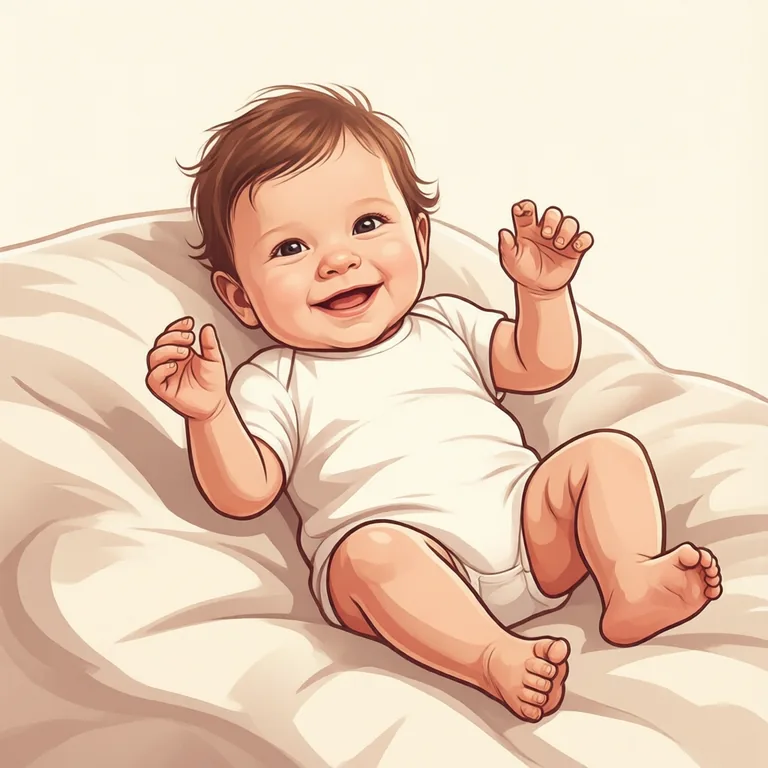
- n. 婴儿, 宝宝
- v. 溺爱, 娇惯
- Definition
- n. a very young child, especially one not yet able to walk or talk
- v. to treat with excessive indulgence or care
- Example
- The baby slept peacefully through the entire night.
- 这个婴儿整夜都睡得很安稳。
Synonyms & Differences 近义词辨析
Compared meaning: a very young child (noun).
比较义项:婴儿,未满一岁的小孩(名词)。
- baby 本词
Baby is the ordinary, everyday word for a very young child, used in casual speech, parenting contexts, and terms of affection; it carries no formal or literary tone.
baby 是指婴儿最普通、最日常的说法,用于口语、育儿话题和表达喜爱之情的场合;不带正式或文学色彩。
The baby cried all night, so her parents took turns walking the floor.
这个婴儿哭了一整夜,父母轮流抱着她在屋里走来走去。
- infant
Infant is a formal or technical term for a very young child, typically found in medical, legal, or statistical writing (e.g. infant mortality); rarely used in casual speech.
infant 是较为正式或专业的说法,多见于医学、法律或统计类文章(如 infant mortality“婴儿死亡率”),日常口语中较少使用。
Infant mortality rates have dropped sharply in countries with better prenatal healthcare.
在产前医疗条件较好的国家,婴儿死亡率已大幅下降。
- babe
Babe is a literary, old-fashioned, or poetic word for a baby, mostly found in stories, hymns, or biblical language; it sounds archaic in ordinary modern conversation.
babe 是文学性、旧式或诗意的说法,多出现在故事、圣歌或圣经语言中;在现代日常对话中显得古雅。
In the old carol, the babe lay sleeping in a manger of straw.
在这首古老的颂歌中,那婴孩躺在铺满稻草的马槽里安睡。
Baby, infant, and babe all mean a very young child. Baby is the common, everyday word. Infant is formal, used in medical, legal, or statistical writing. Babe is literary or old-fashioned, rare in normal speech. Other senses of babe and baby are not compared here.
这三个词都指婴儿,但语体和使用场合不同:baby 是最常用的日常用词,infant 更正式,常见于医学、法律或统计语境,babe 带有文学或古雅色彩,日常口语中很少使用。此处不比较 babe 用作“性感女子”的俚语义,也不比较 baby 用作昵称或“不成熟的人”的引申义。
Compared meaning: to be too kind or indulgent toward someone (verb).
比较义项:过分纵容、娇惯(某人)(动词)。
- baby 本词
Refers to treating someone, often an adult, like a young child by giving overly gentle care; implies they don't need it and often appears in objections like "don't baby me."
指把某人(通常是成年人)当作小孩子一样对待,给予过度温柔的照顾;暗示对方并不需要这种照顾,常出现在“别把我当孩子哄”这类反驳的话里。
Grandpa still babies my little brother, even though he's already a teenager.
尽管弟弟已经是十几岁的少年了,爷爷还是像哄小孩一样宠着他。
- spoil
Most often used for indulging a child or pet by giving them whatever they want too easily; strongly implies a bad result — the child becomes spoiled, meaning badly behaved.
最常用于纵容孩子或宠物,事事顺着他们、给得太容易;强烈暗示不好的结果——孩子因此被宠坏,也就是变得任性、难管教。
They spoil their dog by giving it treats every time it barks.
他们只要狗一叫就给它零食吃,这样溺爱它。
- pamper
Means giving someone luxurious, comfortable treatment that caters to their wishes, often for self-care or spa-like indulgence; the tone is positive or neutral, without any sense of bad behavior.
指给予某人奢侈、周到的照顾,满足他们的愿望,常用于自我犒劳或美容护理般的享受;语气是正面或中性的,不含“行为变坏”的意味。
She pampers herself with a bubble bath every Friday evening.
她每周五晚上都会用泡泡浴好好纵容自己一次。
Baby, spoil and pamper can all mean being indulgent toward someone, but they differ. Baby means treating an adult like a child, as in don't baby me. Spoil means indulging a child too easily, so the child becomes badly behaved. Pamper means giving luxurious care.
这三个词都能表示“过分纵容、娇惯某人”,但语气和对象不同:baby强调把人(常是成年人)当婴儿一样呵护,带调侃或不满语气;spoil最常用于纵容孩子或宠物,暗示会带来负面后果;pamper强调给予奢侈周到的照顾,多用于自我犒劳,语气偏正面。这里不比较spoil“损坏、变质”的义项。