spoil
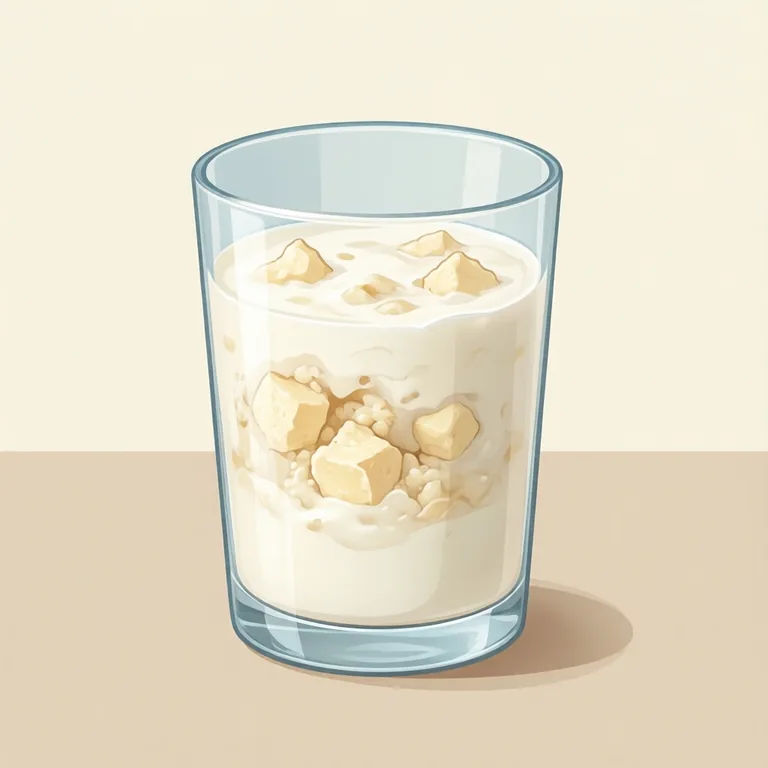
- v. 损坏, 破坏
- v. 溺爱
- n. 战利品, 赃物, 奖品
- Definition
- v. to damage something
- v. to treat a child too kindly
- n. goods stolen or won, especially in war or competition
- Example
- Leaving milk out too long will spoil it quickly.
- 牛奶放太久没喝会很快变质。
Synonyms & Differences 近义词辨析
Compared meaning: to ruin something (verb).
比较义项:把某事物弄坏、搞糟(动词)。
- spoil 本词
Broader: means to damage something's quality through any cause—time, neglect, weather, mishandling—commonly used with food, plans, surprises or moods, not only skilled tasks.
含义更广:指因时间、天气、疏忽或不当处理等任何原因损坏某物的品质,常用于食物、计划、惊喜或情绪,而不只是需要技能的工作。
Leaving milk out too long will spoil it quickly.
把牛奶放在外面太久,很快就会变质。
- botch
Implies ruining a specific task through lack of skill, carelessness or rushing, especially repairs or jobs; it is never used for food going bad on its own.
特指因技艺不精、粗心或赶工而把某项具体任务(尤其是维修或工作)搞糟,绝不用于食物自然变质的情况。
If you rush the job, you might botch the whole repair.
如果你赶工,可能会把整个维修工作搞砸。
Spoil and botch both mean to ruin something, but spoil is broader. Spoil means damaging quality through any cause, like time or bad handling; used with food, plans, or moods. Botch means ruining a task through poor skill or rushing, especially repairs; never for food.
这两个词都表示把东西弄坏,但spoil含义更广,可以是食物变质、计划或惊喜被破坏,原因不限于人的技能;botch则专指因技艺不精、粗心或赶工而把一项具体任务(尤其是维修、工作)做糟。这里不比较spoil的“溺爱(孩子)”义。
Compared meaning: to be too kind or indulgent toward someone (verb).
比较义项:过分纵容、娇惯(某人)(动词)。
- baby
Refers to treating someone, often an adult, like a young child by giving overly gentle care; implies they don't need it and often appears in objections like "don't baby me."
指把某人(通常是成年人)当作小孩子一样对待,给予过度温柔的照顾;暗示对方并不需要这种照顾,常出现在“别把我当孩子哄”这类反驳的话里。
Grandpa still babies my little brother, even though he's already a teenager.
尽管弟弟已经是十几岁的少年了,爷爷还是像哄小孩一样宠着他。
- spoil 本词
Most often used for indulging a child or pet by giving them whatever they want too easily; strongly implies a bad result — the child becomes spoiled, meaning badly behaved.
最常用于纵容孩子或宠物,事事顺着他们、给得太容易;强烈暗示不好的结果——孩子因此被宠坏,也就是变得任性、难管教。
They spoil their dog by giving it treats every time it barks.
他们只要狗一叫就给它零食吃,这样溺爱它。
- pamper
Means giving someone luxurious, comfortable treatment that caters to their wishes, often for self-care or spa-like indulgence; the tone is positive or neutral, without any sense of bad behavior.
指给予某人奢侈、周到的照顾,满足他们的愿望,常用于自我犒劳或美容护理般的享受;语气是正面或中性的,不含“行为变坏”的意味。
She pampers herself with a bubble bath every Friday evening.
她每周五晚上都会用泡泡浴好好纵容自己一次。
Baby, spoil and pamper can all mean being indulgent toward someone, but they differ. Baby means treating an adult like a child, as in don't baby me. Spoil means indulging a child too easily, so the child becomes badly behaved. Pamper means giving luxurious care.
这三个词都能表示“过分纵容、娇惯某人”,但语气和对象不同:baby强调把人(常是成年人)当婴儿一样呵护,带调侃或不满语气;spoil最常用于纵容孩子或宠物,暗示会带来负面后果;pamper强调给予奢侈周到的照顾,多用于自我犒劳,语气偏正面。这里不比较spoil“损坏、变质”的义项。