kid
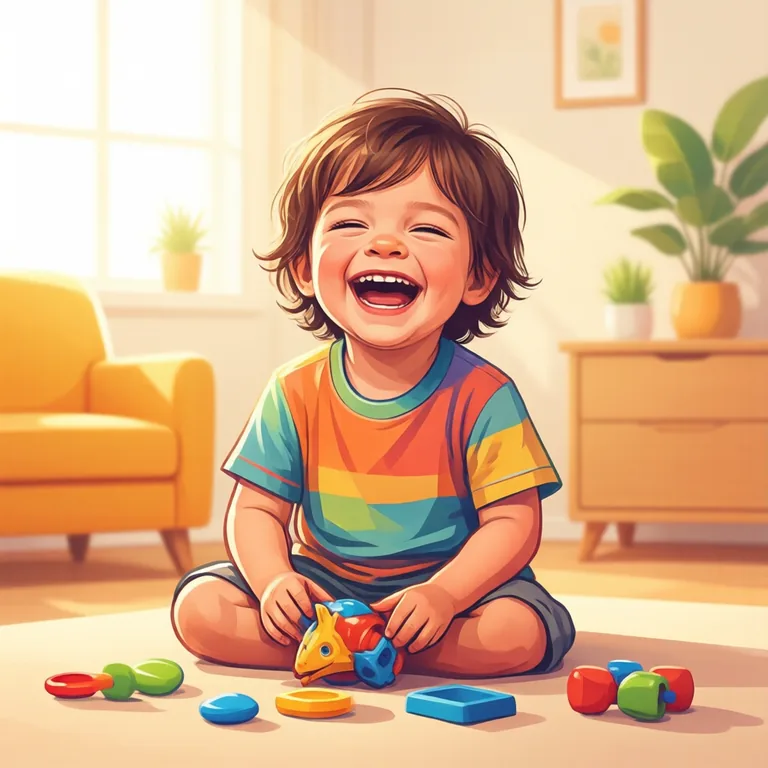
- n. 小孩
- n. 小山羊
- n. 小山羊皮
- v. 开玩笑
- Definition
- n. a child
- n. a young goat
- n. a type of soft leather from a young goat
- v. to say something as a joke, not seriously
- Example
- The kid laughed loudly at the funny cartoon.
- 那个小孩看着搞笑的卡通片哈哈大笑。
Synonyms & Differences 近义词辨析
Compared meaning: a young person (noun).
比较义项:孩子,未成年人(名词)。
- kid 本词
Very informal, everyday word for a child, used mostly in casual speech; not used in legal or formal writing.
非常口语化,是日常口语中说“小孩”最常用的词,不用于正式或法律文本。
The kids next door play basketball every afternoon after school.
隔壁的孩子们每天放学后都会打篮球。
- child
Neutral, standard term for a young person; the default word for formal, academic and everyday contexts alike.
中性、标准的“孩子”一词,正式、学术和日常场合都可以使用,是默认用词。
As a child, she loved reading fairy tales before going to bed.
小时候,她喜欢在睡前读童话故事。
- minor
Formal, legal term emphasizing that someone is under the age required by law, common in legal, official or policy contexts.
正式的法律用语,强调某人未达到法律规定的年龄,常见于法律、官方或政策语境。
Selling alcohol to a minor is illegal in every state.
向未成年人出售酒精在每个州都是违法的。
- youngster
Informal but slightly more descriptive or affectionate word, often used in narrative or journalistic writing, and can include older children or early teens.
非正式但略带描写性或亲切感的词,常见于叙述或新闻写作,也可以指年纪稍大的孩子或十几岁的少年。
The youngster proudly showed off his new bicycle to the neighbors.
这个小孩自豪地向邻居们展示他的新自行车。
Kid, child, minor, and youngster all mean a young person. Kid is very informal, used in casual speech. Child is the neutral, standard word for any context. Minor is a formal, legal term for someone underage. Youngster is informal but descriptive, often in news writing.
这四个词在这个意义上都表示“孩子、年轻人”,但语域和正式程度不同:kid 很口语化,child 是最中性通用的说法,minor 是法律或正式场合的用语,youngster 略带描写色彩,也可以指年纪稍大的孩子。这里不比较 minor 的“较小的,次要的”这一义项,也不比较 kid 作动词表示“开玩笑”的用法。
Compared meaning: to tease in a playful way (verb).
比较义项:开玩笑、逗弄(动词)。
- kid 本词
Kid usually means to tease one specific person about something, often briefly, and can carry a slight mocking edge; frequently used in 'just kidding' to soften a statement.
kid 通常指针对某个人或某件事开一个简短的玩笑,有时略带嘲讽意味;常用于“just kidding”来缓和语气。
Stop kidding me about my haircut, it's not that bad.
别再拿我的发型开玩笑了,没那么糟糕。
- banter
Banter describes a light, mutual exchange of playful remarks between people, an ongoing back-and-forth that is always friendly, rather than teasing one person alone.
banter 指双方轻松愉快、你一言我一语地互相打趣,是一种持续的来回交流,语气始终友好,而不是单方面调侃某一个人。
The coworkers bantered happily while waiting for their coffee order.
同事们在等咖啡订单时愉快地互相打趣。
Kid and banter both mean to joke or tease playfully. Kid usually means to tease one person about something, briefly, sometimes with a mocking edge. Banter describes a light, friendly exchange of playful remarks going back and forth between people, not teasing one person alone.
这两个词都表示以玩笑的方式逗弄对方,但方式和语气略有不同:kid 通常指针对某人或某事开一个简短的玩笑,可能略带调侃意味;banter 强调双方轻松愉快、你一言我一语地互相打趣,语气始终友好,是一种持续的交流过程。这里不比较 kid 作名词表示“小孩”的意思,也不比较 banter 作名词表示“戏谑的话语”的用法。