babe
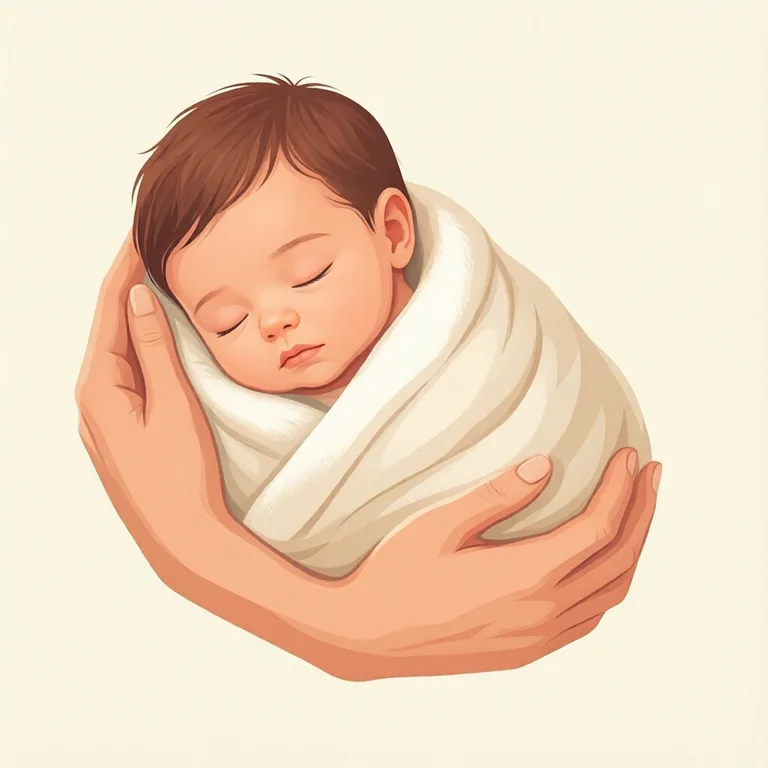
- n. 小孩
- n. 天真幼稚的人
- Definition
- n. a baby
- n. a person who is very innocent and inexperienced
- Example
- The nurse gently placed the sleeping babe into her mother's arms.
- 护士轻轻地把熟睡的婴儿放进了母亲的怀里。
Synonyms & Differences 近义词辨析
Compared meaning: a very young child (noun).
比较义项:婴儿,未满一岁的小孩(名词)。
- baby
Baby is the ordinary, everyday word for a very young child, used in casual speech, parenting contexts, and terms of affection; it carries no formal or literary tone.
baby 是指婴儿最普通、最日常的说法,用于口语、育儿话题和表达喜爱之情的场合;不带正式或文学色彩。
The baby cried all night, so her parents took turns walking the floor.
这个婴儿哭了一整夜,父母轮流抱着她在屋里走来走去。
- infant
Infant is a formal or technical term for a very young child, typically found in medical, legal, or statistical writing (e.g. infant mortality); rarely used in casual speech.
infant 是较为正式或专业的说法,多见于医学、法律或统计类文章(如 infant mortality“婴儿死亡率”),日常口语中较少使用。
Infant mortality rates have dropped sharply in countries with better prenatal healthcare.
在产前医疗条件较好的国家,婴儿死亡率已大幅下降。
- babe 本词
Babe is a literary, old-fashioned, or poetic word for a baby, mostly found in stories, hymns, or biblical language; it sounds archaic in ordinary modern conversation.
babe 是文学性、旧式或诗意的说法,多出现在故事、圣歌或圣经语言中;在现代日常对话中显得古雅。
In the old carol, the babe lay sleeping in a manger of straw.
在这首古老的颂歌中,那婴孩躺在铺满稻草的马槽里安睡。
Baby, infant, and babe all mean a very young child. Baby is the common, everyday word. Infant is formal, used in medical, legal, or statistical writing. Babe is literary or old-fashioned, rare in normal speech. Other senses of babe and baby are not compared here.
这三个词都指婴儿,但语体和使用场合不同:baby 是最常用的日常用词,infant 更正式,常见于医学、法律或统计语境,babe 带有文学或古雅色彩,日常口语中很少使用。此处不比较 babe 用作“性感女子”的俚语义,也不比较 baby 用作昵称或“不成熟的人”的引申义。