piece
- n. 部分
- n. 块
- n. 乐曲
- v. 拼合, 修补
- Definition
- n. a part or portion of something
- n. a single item of a group
- n. a musical composition
- v. to join or repair something by putting parts together
- Example
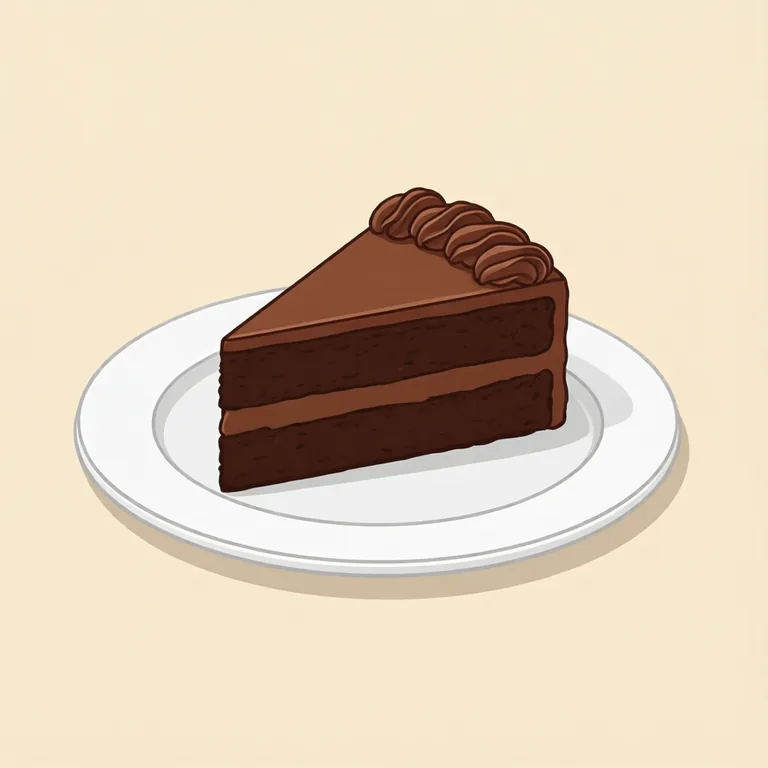
- She gave me a piece of chocolate cake.
- 她给了我一块巧克力蛋糕。
Synonyms & Differences 近义词辨析
Compared meaning: a portion of a whole (noun).
比较义项:部分(名词)。
- part
Refers to a component or section of a larger whole, often abstract (a story, a plan, a process); does not imply the piece can be physically separated or handed to someone.
指较大整体中的一个组成部分或方面,常较为抽象(如故事、计划、过程),不一定意味着这部分可以被physically分开或递给别人。
Losing your job is only part of the problem you're facing.
失业只是你所面临问题的一部分。
- piece 本词
Refers to a distinct, often physically separable unit taken from something larger, typically concrete (food, paper, furniture); commonly used with 'of' for portions someone can hold or eat.
指从较大事物中分离出来的一个独立单元,通常是具体的(如食物、纸张、家具),常与“of”连用,表示可以拿在手里或吃掉的一份。
Could you cut me a piece of that pizza before it's all gone?
在披萨吃完之前,能不能给我切一块?
Part and piece both mean a portion of something whole. Piece stresses a separate small unit that can be taken or divided, often something concrete like food or paper. Part is more abstract, a component of a whole that is not always physically separate.
两者都指整体中的一部分,但 piece 更强调可以被分离、拿取或分配的独立小块,常用于食物、纸张等具体物品;part 更抽象,常指整体的一个组成部分或方面,不一定能被物理分开。
Compared meaning: a musical composition or work (noun).
比较义项:乐曲/作品(名词)。
- piece 本词
Neutral, everyday word for any musical composition, short or long, casual or classical; extremely common in ordinary speech and music lessons.
乐曲的中性、日常说法,可指任何长短、正式或非正式的音乐作品,在日常口语和音乐课上都很常用。
My piano teacher gave me a new piece to practice this week.
我的钢琴老师这周给了我一首新曲子练习。
- opus
A formal, somewhat elevated word for a serious or major composition, often identified by an opus number; rarely used for a small or casual piece.
较为正式、庄重的说法,通常指严肃或重要的作品,常带有作品编号,很少用来指小型或随意的乐曲。
Beethoven's Ninth Symphony is considered his greatest opus.
贝多芬的第九交响曲被认为是他最伟大的作品。
Piece and opus both mean a musical composition. Piece is the neutral, everyday word for any composition, casual or classical. Opus is more formal, used for a serious or major work, often identified by a number, and rare for a small or casual piece.
piece 和 opus 在“乐曲、作品”这个意义上意思相近,但语域不同:piece 是中性、日常的说法,可以指任何一首乐曲;opus 更正式庄重,通常指作曲家的重要作品,常与编号连用,日常口语中很少使用。这里不比较 piece 表示“一块、一片”(如 a piece of cake)等其他意义。
Compared meaning: to put parts together to form a whole (verb).
比较义项:拼合、修补(动词)。
- piece 本词
Usually appears as the phrasal verb 'piece together'; suggests reassembling broken, torn or scattered fragments, often used figuratively for clues or a story.
通常以短语动词 piece together 出现;表示把破碎、撕裂或散落的碎片重新拼合起来,也常用于比喻意义,例如拼凑线索或故事。
He carefully pieced together the shattered vase from its broken fragments.
他小心翼翼地把破碎花瓶的碎片重新拼合了起来。
- assemble
A standalone, more formal verb for fitting manufactured parts together according to a design or instructions, typically to build furniture, machines or structures.
一个可独立使用、较为正式的动词,指按照设计或说明把制造好的零件组装起来,通常用于组装家具、机器或结构。
It took an hour to assemble the new bookshelf from the box.
从箱子里把新书架组装起来花了一个小时。
Piece and assemble both mean putting parts together to form a whole. Piece usually appears as 'piece together', for broken, torn, or scattered parts put back, often used for clues or a story. Assemble is more formal, for fitting manufactured parts by a design.
这两个词都表示把部件拼在一起组成整体,但语气和用法不同:piece 常以短语动词 piece together 出现,强调把破碎、撕裂或散落的部件重新拼合或修补,动作随意,也常用于比喻意义(如拼凑线索、拼凑出一个故事);assemble 则强调按照设计或说明把制造好的零件组装成完整的产品或结构,更正式、更有条理。