ignite
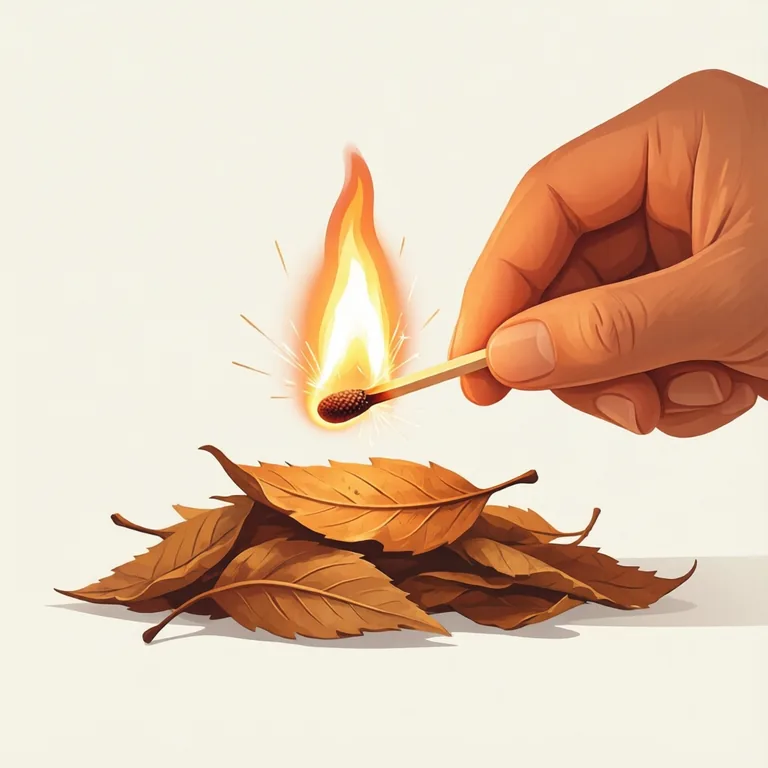
- v. 点燃
- v. 激起
- Definition
- v. to set something on fire
- v. to cause strong feeling or excitement
- Example
- A single spark can ignite dry leaves during a hot summer.
- 在炎热的夏天,一点火星就能点燃干树叶。
Synonyms & Differences 近义词辨析
Compared meaning: to make something start burning (verb).
比较义项:使着火、点燃(动词)。
- fire
Used mainly in technical or industrial contexts, often as the phrasal verb 'fire up', describing lighting furnaces, kilns, or engines rather than everyday objects.
主要用于技术性或工业语境,常以短语动词“fire up”(点燃、启动)的形式出现,用于描述点燃炉子、窑或发动机,而不是日常物品。
The workers fired up the old furnace before the winter shift began.
工人们在冬季班次开始前点燃了那台旧锅炉。
- ignite 本词
More general and formal; commonly used for sparks, chemicals, or gases causing combustion, and can be used figuratively to mean spark strong feelings or events.
更通用、更正式;常用于描述火花、化学物质或气体引发燃烧,也可比喻性地表示激起强烈的情绪或事件。
A tiny spark from the wire was enough to ignite the spilled fuel.
电线上的一点小火花就足以点燃洒出的燃料。
Fire and ignite both mean to start burning. Fire is used mainly in technical contexts, as in 'fire up' a furnace. Ignite is more general, used for sparks, gas, or chemicals, and can mean to spark strong feelings. Fire's other meanings are not compared.
这两个词都表示“使某物开始燃烧”,但语体和搭配不同:fire 多用于技术性语境(如点燃炉子、锅炉),常以“fire up”的形式出现;ignite 更通用、正式,常指火花、气体等引发燃烧,也可比喻性地表示“激起”某种情绪。这里不比较 fire 作名词“火”,或作动词表示“开火”“解雇”等其他意义。