fire
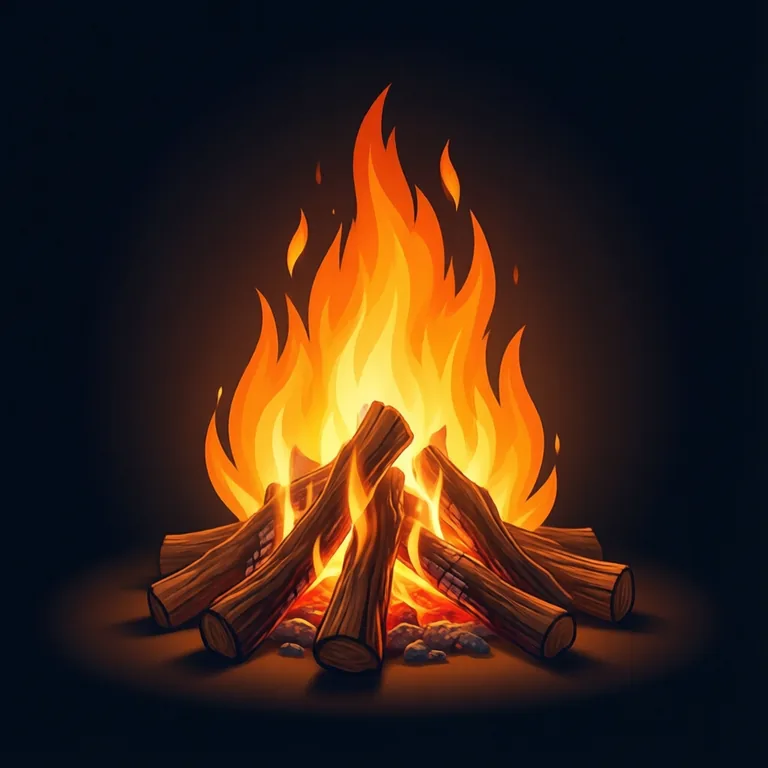
- n. 火
- n. 热情
- v. 开火
- v. 点燃
- v. 解雇
- Definition
- n. the flame and heat produced when something burns
- n. strong enthusiasm
- v. to shoot a gun
- v. make something start burning
- v. to dismiss someone from a job
- Example
- Firefighters worked quickly to put out the fire.
- 消防员迅速扑灭了大火。
Synonyms & Differences 近义词辨析
Compared meaning: fire or flame produced by burning (noun).
比较义项:燃烧产生的火/火焰(名词)。
- fire 本词
General word for the whole burning phenomenon, including heat and smoke; covers both small and large blazes and appears in set phrases like 'catch fire' or 'put out a fire'.
泛指整个燃烧现象,包括热量和烟雾;大小规模的燃烧都可使用,并常出现在固定搭配中,如“catch fire”“put out a fire”。
Firefighters spent hours trying to control the raging fire in the warehouse.
消防员花了好几个小时才控制住仓库里熊熊燃烧的大火。
- flame
Refers specifically to the visible tongue of burning gas that a fire gives off; more vivid and visual, often used for small, delicate fires like candles or matches.
特指火所产生的、可见的一缕燃烧气体,即火焰本身;更具画面感,常用于蜡烛、火柴等较小的火苗。
A single flame from the lighter was enough to start the bonfire.
打火机的一簇火苗就足以点燃篝火。
Fire and flame both describe burning, but fire is the general word for the whole process, as in 'catch fire'. Flame is the bright, moving part of a fire, often used for small fires like candles. Fire's meanings (shooting, firing someone) are not compared here.
这两个词都可以指燃烧产生的现象,但侧重点不同:fire 泛指整个燃烧过程(包含热量、烟雾等),大小规模都可用;flame 特指其中明亮跳动的那一缕燃烧气体,更具画面感,常用于蜡烛、火柴等小火苗。这里不涉及 fire 作动词表示“开火、解雇”等其他意义。
Compared meaning: to dismiss someone from a job (verb).
比较义项:解雇、开除(某人的工作)(动词)。
- fire 本词
The everyday, informal word for dismissing someone; blunt and often implies sudden or harsh action; common in casual speech and news about workplaces.
这是解雇某人时最常用、最口语化的说法;语气直接,常暗示突然或严厉的处理方式;常见于日常口语和关于职场的新闻报道。
The manager fired him on the spot for showing up late again.
经理当场就把他解雇了,因为他又迟到了。
- discharge
A formal, often official or bureaucratic term for ending someone's employment; common in military, legal, or institutional contexts rather than casual talk.
这是一个正式、常用于官方或机构场合的说法,用来表示终止某人的雇佣关系;常见于军事、法律或机构语境,而非日常闲谈。
The soldier was discharged from the army after the investigation.
调查结束后,这名士兵被军队开除了。
Fire and discharge both mean to dismiss someone, but differ in formality. Fire is everyday, informal, and blunt, common in casual speech. Discharge is more formal, used in official, military, or institutional contexts. Fire's meaning 'to shoot a weapon' is not compared here.
在“解雇”这个意思上,discharge 更正式、书面化,常见于机构或官方语境;fire 更口语、日常,语气也更直接。这里不比较 fire 的“开火、射击”这个意思。
Compared meaning: to make something start burning (verb).
比较义项:使着火、点燃(动词)。
- fire 本词
Used mainly in technical or industrial contexts, often as the phrasal verb 'fire up', describing lighting furnaces, kilns, or engines rather than everyday objects.
主要用于技术性或工业语境,常以短语动词“fire up”(点燃、启动)的形式出现,用于描述点燃炉子、窑或发动机,而不是日常物品。
The workers fired up the old furnace before the winter shift began.
工人们在冬季班次开始前点燃了那台旧锅炉。
- ignite
More general and formal; commonly used for sparks, chemicals, or gases causing combustion, and can be used figuratively to mean spark strong feelings or events.
更通用、更正式;常用于描述火花、化学物质或气体引发燃烧,也可比喻性地表示激起强烈的情绪或事件。
A tiny spark from the wire was enough to ignite the spilled fuel.
电线上的一点小火花就足以点燃洒出的燃料。
Fire and ignite both mean to start burning. Fire is used mainly in technical contexts, as in 'fire up' a furnace. Ignite is more general, used for sparks, gas, or chemicals, and can mean to spark strong feelings. Fire's other meanings are not compared.
这两个词都表示“使某物开始燃烧”,但语体和搭配不同:fire 多用于技术性语境(如点燃炉子、锅炉),常以“fire up”的形式出现;ignite 更通用、正式,常指火花、气体等引发燃烧,也可比喻性地表示“激起”某种情绪。这里不比较 fire 作名词“火”,或作动词表示“开火”“解雇”等其他意义。