flame
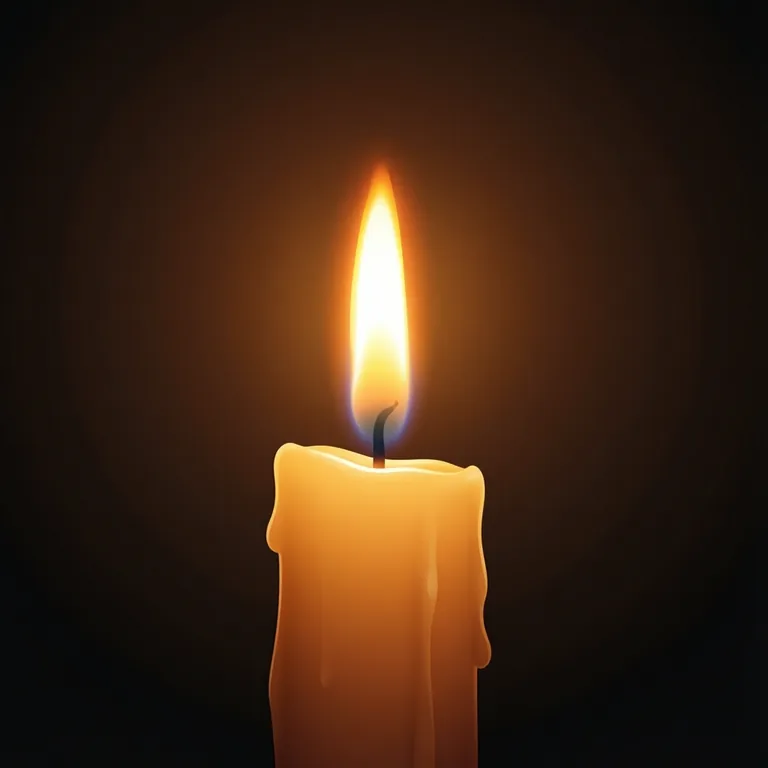
- n. 火焰
- v. 燃烧, 点燃
- Definition
- n. the hot, bright, burning gas produced by a fire
- v. to burn or set something on fire
- Example
- The candle's flame flickered gently in the cold room.
- 蜡烛的火焰在寒冷的房间里轻轻摇曳。
Synonyms & Differences 近义词辨析
Compared meaning: fire or flame produced by burning (noun).
比较义项:燃烧产生的火/火焰(名词)。
- fire
General word for the whole burning phenomenon, including heat and smoke; covers both small and large blazes and appears in set phrases like 'catch fire' or 'put out a fire'.
泛指整个燃烧现象,包括热量和烟雾;大小规模的燃烧都可使用,并常出现在固定搭配中,如“catch fire”“put out a fire”。
Firefighters spent hours trying to control the raging fire in the warehouse.
消防员花了好几个小时才控制住仓库里熊熊燃烧的大火。
- flame 本词
Refers specifically to the visible tongue of burning gas that a fire gives off; more vivid and visual, often used for small, delicate fires like candles or matches.
特指火所产生的、可见的一缕燃烧气体,即火焰本身;更具画面感,常用于蜡烛、火柴等较小的火苗。
A single flame from the lighter was enough to start the bonfire.
打火机的一簇火苗就足以点燃篝火。
Fire and flame both describe burning, but fire is the general word for the whole process, as in 'catch fire'. Flame is the bright, moving part of a fire, often used for small fires like candles. Fire's meanings (shooting, firing someone) are not compared here.
这两个词都可以指燃烧产生的现象,但侧重点不同:fire 泛指整个燃烧过程(包含热量、烟雾等),大小规模都可用;flame 特指其中明亮跳动的那一缕燃烧气体,更具画面感,常用于蜡烛、火柴等小火苗。这里不涉及 fire 作动词表示“开火、解雇”等其他意义。