grave
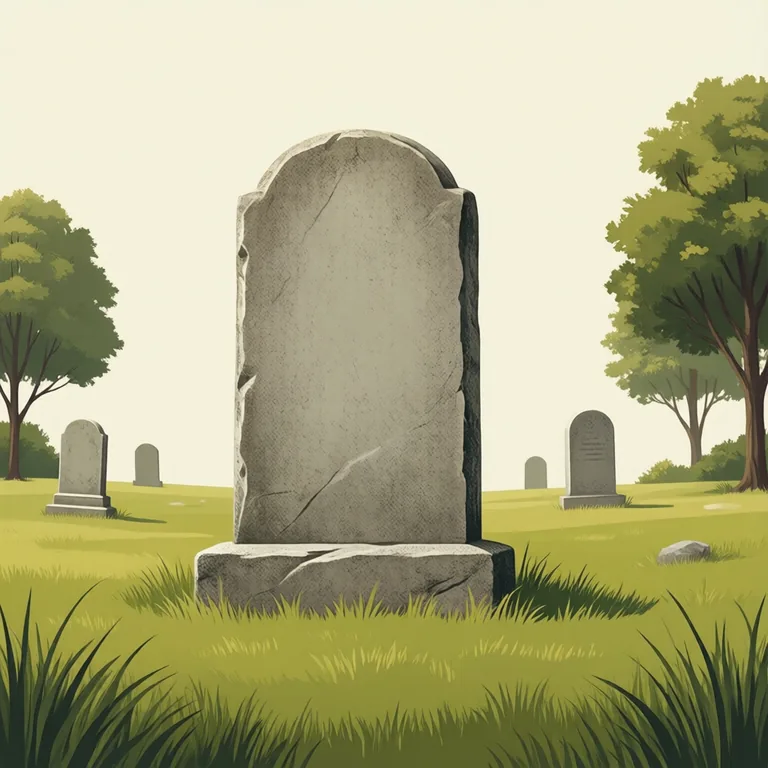
- n. 坟墓
- adj. 严重的, 严肃的
- Definition
- n. a place in the ground where a dead body is buried
- adj. very serious and causing worry
- Example
- They stood quietly beside the grave to pay their respects.
- 他们静静地站在墓前致敬。
Synonyms & Differences 近义词辨析
Compared meaning: a place where a dead body is buried (noun).
比较义项:坟墓(安葬遗体的地方)(名词)。
- grave 本词
The general, neutral word for a burial place, usually a simple plot in the ground with a headstone; the everyday choice for describing where any ordinary person is buried.
表示“坟墓”最普通、最中性的说法,通常指地面上带墓碑的简单墓穴;用于描述普通人被安葬的地方时最为常用。
She places fresh flowers on her grandfather's grave every Sunday.
她每个星期天都会在祖父的坟墓上献上鲜花。
- tomb
A grave that is notably large or grand, often a stone structure built above or into the ground; typically used for kings, ancient rulers, or in archaeological and historical contexts.
指规模较大或宏伟的坟墓,常以石头建造成地面或地下建筑;多用于国王、古代统治者,或历史与考古语境中。
Archaeologists discovered an ancient tomb hidden beneath the desert sand.
考古学家在沙漠的沙子下发现了一座古老的陵墓。
Grave and tomb both mean a place where a body is buried, but differ in scale. Grave is the common, neutral word for an ordinary burial place, usually a simple plot. Tomb usually means a larger, often stone structure, sounding ancient, common in history.
这两个词在这一意义上都指“坟墓”,但语气和规模不同:grave 是最常见、最中性的说法,指普通的墓穴;tomb 通常指规模较大、常以石头建造的坟墓,带有庄重或古代色彩,常出现在历史或考古语境中。
Compared meaning: very serious and causing worry (adjective).
比较义项:严重的,令人担忧的(形容词)。
- grave 本词
Grave is formal and literary, describing serious danger or trouble that causes deep worry; it pairs with abstract nouns like danger, concern, or mistake, not illnesses or injuries.
该词较为正式、书面化,形容令人深感忧虑的严重危险或麻烦,常与danger、concern、mistake等抽象名词搭配,不用于疾病或伤势。
The scandal put the company in grave danger of losing its biggest client.
这起丑闻使公司严重面临失去最大客户的危险。
- critical
Critical describes a situation at a decisive turning point where the outcome could go either way, especially in medical or survival contexts, such as a critical condition.
该词指处于生死攸关的转折点,情况可能好转也可能恶化,常用于医疗或生存相关的语境,如“病危”。
After the accident, the driver was rushed to hospital in critical condition.
事故发生后,司机被紧急送往医院,情况危急。
- serious
Serious is the plain, everyday word for anything bad or dangerous enough to need attention; it works for illnesses, injuries, problems, or mistakes without special formality or intensity.
该词是最普通、日常的用词,指任何严重到需要重视的坏事或危险,适用于疾病、伤势、问题或错误,没有特别的正式感或强调语气。
She suffered a serious injury to her knee during the football match.
她在足球比赛中膝盖受了重伤。
- dire
Dire is the strongest of the four, stressing extreme urgency and alarming consequences if nothing is done, and often appears in phrases like dire need or dire consequences.
该词是四者中程度最强的,强调若不采取行动将产生极其紧迫、令人震惊的后果,常见于“极度需要”等固定搭配中。
Refugees in the camp are in dire need of food and clean water.
营地里的难民极其需要食物和干净的水。
Grave, critical, serious, and dire describe a bad situation, differing in formality. Grave is formal, as in grave concern. Critical means a turning point, often medical. Serious is the everyday word for anything bad. Dire is strongest, showing urgency. This excludes grave (a burial place).
这四个词都能形容情况严重或危险,但正式程度和强调重点不同:grave偏正式庄重,critical强调处于生死攸关的转折点,serious最为常见普通,dire强调极端紧迫、后果可怕。这里不比较grave作为名词“坟墓”的意思。