tomb
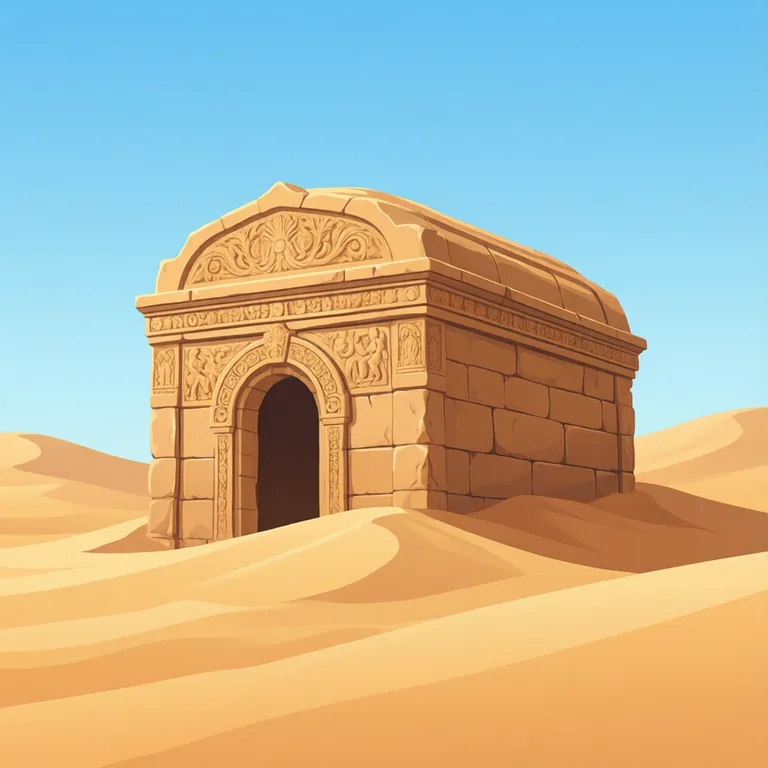
- n. 坟墓, 陵墓
- Definition
- n. a large grave, often built of stone, where a dead body is placed
- Example
- Archaeologists discovered an ancient tomb hidden beneath the desert sand.
- 考古学家在沙漠的沙土下发现了一座隐藏的古墓。
Synonyms & Differences 近义词辨析
Compared meaning: a place where a dead body is buried (noun).
比较义项:坟墓(安葬遗体的地方)(名词)。
- grave
The general, neutral word for a burial place, usually a simple plot in the ground with a headstone; the everyday choice for describing where any ordinary person is buried.
表示“坟墓”最普通、最中性的说法,通常指地面上带墓碑的简单墓穴;用于描述普通人被安葬的地方时最为常用。
She places fresh flowers on her grandfather's grave every Sunday.
她每个星期天都会在祖父的坟墓上献上鲜花。
- tomb 本词
A grave that is notably large or grand, often a stone structure built above or into the ground; typically used for kings, ancient rulers, or in archaeological and historical contexts.
指规模较大或宏伟的坟墓,常以石头建造成地面或地下建筑;多用于国王、古代统治者,或历史与考古语境中。
Archaeologists discovered an ancient tomb hidden beneath the desert sand.
考古学家在沙漠的沙子下发现了一座古老的陵墓。
Grave and tomb both mean a place where a body is buried, but differ in scale. Grave is the common, neutral word for an ordinary burial place, usually a simple plot. Tomb usually means a larger, often stone structure, sounding ancient, common in history.
这两个词在这一意义上都指“坟墓”,但语气和规模不同:grave 是最常见、最中性的说法,指普通的墓穴;tomb 通常指规模较大、常以石头建造的坟墓,带有庄重或古代色彩,常出现在历史或考古语境中。