giant
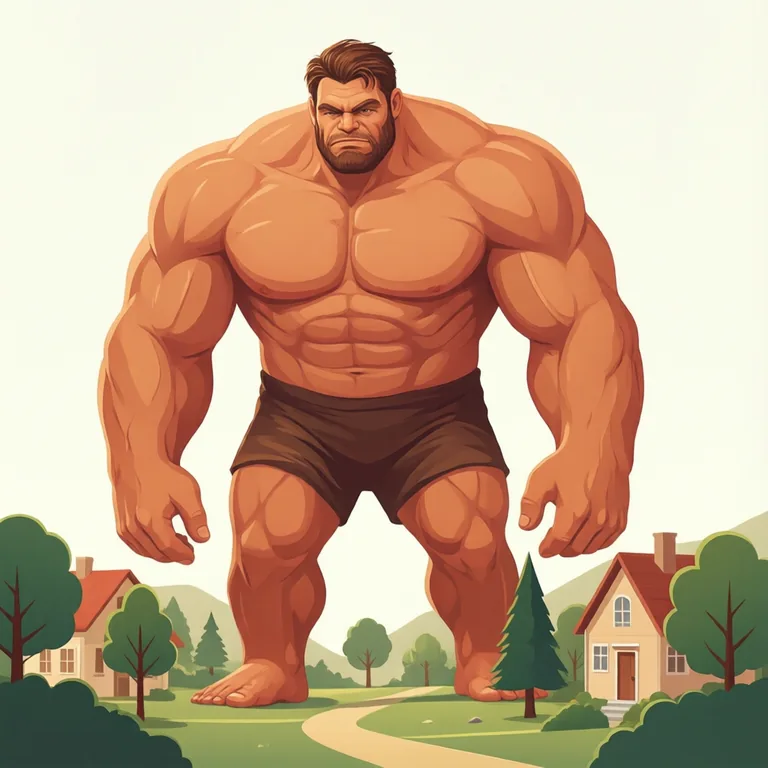
- n. 巨人, 怪物
- n. 巨头, 巨擘
- adj. 巨大的
- Definition
- n. an imaginary or very large and powerful person or creature
- n. a person or organization with great power or influence
- adj. extremely large in size
- Example
- A giant tree stood at the center of the old park.
- 老公园的中央矗立着一棵参天大树。
Synonyms & Differences 近义词辨析
Compared meaning: a huge imaginary creature in stories (noun).
比较义项:想象出来的(体型巨大、令人生畏的)怪物/巨人(名词)。
- monster
Emphasizes a scary, ugly, or dangerous appearance; used for creatures meant to frighten, in horror stories, nightmares, or under a child's bed.
强调外形丑陋、恐怖或危险,多用于恐怖故事、噩梦或吓人的场景中出现的生物。
The film's monster had glowing red eyes and sharp claws.
这部电影里的怪物有着发红光的眼睛和锋利的爪子。
- giant 本词
Emphasizes enormous size and strength rather than fear; often a powerful but not necessarily scary figure, common in fairy tales.
强调体型巨大、力量强大,而不一定可怕,常是童话故事里强大但未必吓人的形象。
In the story, a friendly giant lived at the top of the beanstalk.
在这个故事里,一个友善的巨人住在豆茎的顶端。
Monster and giant can mean a huge creature in stories. Monster stresses a scary or ugly look, meant to frighten. Giant stresses huge size and strength, and is not always scary. Not compared: monster (a cruel person), giant (a tall person or a top company).
这两个词都可以指故事里想象出来的巨大生物,但语气不同:monster 强调外形丑陋、令人害怕,giant 强调体型巨大、力气惊人,不一定可怕,也常是友善的形象。这里不比较 monster 表示“行为残忍的人”的用法,也不比较 giant 表示“现实中身材极高的真人”或“在某领域非常成功的人/机构”的用法。
Compared meaning: large in size or scale (adjective).
比较义项:体积或规模大的(形容词)。
- giant 本词
Emphasizes an extremely large, often astonishing size; used mainly for concrete objects such as trees, buildings, or animals, and can also work as a noun for a huge creature or company.
强调体积或规模“巨大到令人惊讶”的程度,多用于具体事物(树木、建筑、动物等),也可作名词表示巨人或大型公司。
The company built a giant warehouse to store all its inventory.
这家公司建造了一座巨大的仓库来存放所有库存。
- great
More formal in this sense; usually describes the size, extent, or degree of abstract or large-scale things like distance, effort, or quantity, rather than the literal size of an everyday object.
在这个意义上,great更正式,通常用来形容抽象或大范围事物的大小、范围或程度(如距离、努力、数量),很少用于日常具体物体的“大”。
The two villages are separated by a great distance across the mountains.
这两个村庄之间隔着一段横跨群山的遥远距离。
- big
The plain, everyday word for large size, used casually for almost any object, animal, or amount; neutral in tone and the safest default choice for a learner.
是表示“大”最普通、最口语化的词,几乎可以用于任何物体、动物或数量,语气中性,是学习者最安全的默认选择。
My brother bought a big couch that barely fits through the door.
我哥哥买了一张几乎塞不进门的大沙发。
Big, giant, and great can mean large in size. Big is the plain, everyday word for almost anything. Giant means extremely large, mainly for concrete things like trees or buildings. Great is formal here, used for abstract things like distance. Not compared: great meaning excellent.
big、giant和great在这里都表示“体积或规模大”,但语气强弱和使用场合不同:big最常用、最口语化;giant强调“巨大、超乎寻常”,语气更强烈;great在表示“大”时较为正式,多用于抽象或大范围的事物。这里不比较great常见的“极好的、太棒了”之义,也不比较giant作名词表示“巨人”的用法。