enormous
- adj. 巨大的
- Definition
- adj. extremely large in size or amount
- Example
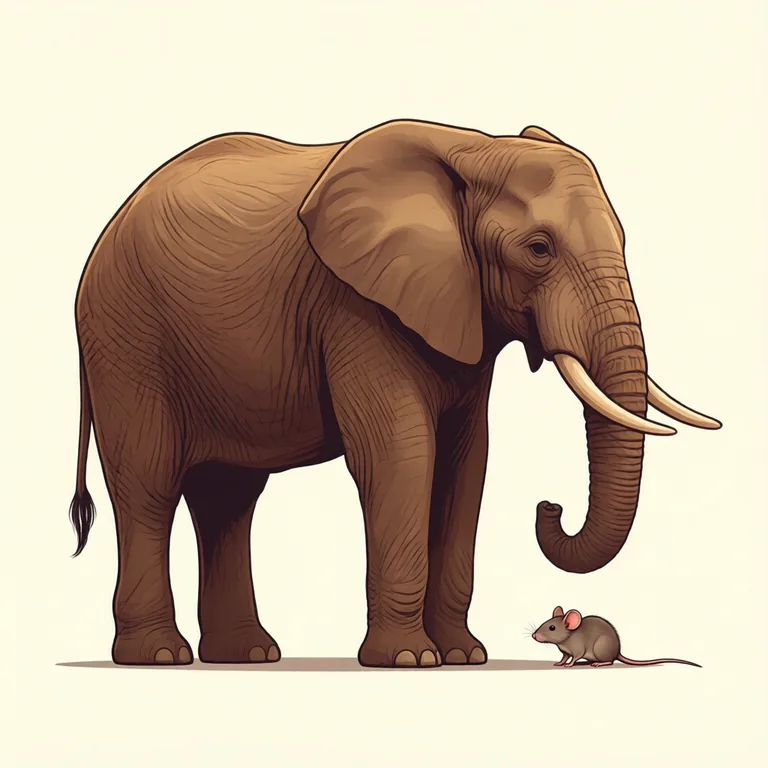
- The elephant left enormous footprints in the soft mud.
- 大象在松软的泥地上留下了巨大的脚印。
Synonyms & Differences 近义词辨析
Compared meaning: very big in size or amount (adjective).
比较义项:尺寸或数量上非常大(形容词)。
- enormous 本词
Enormous is the strongest of the four, describing size or amount that is extreme or shocking; it is rarely softened with 'very' since it already implies the extreme end of the scale.
enormous 是四者中语气最强的词,形容尺寸或数量达到极端、令人震惊的程度;由于其本身已经隐含“极端”之意,通常不再用“非常”来修饰。
The volcanic eruption caused enormous devastation across the region.
这次火山喷发给整个地区造成了巨大的破坏。
- great
In this sense great is more formal or literary and sounds slightly old-fashioned; it usually appears with abstract nouns rather than everyday physical objects, and today the word more commonly means 'excellent'.
great 在表示“大”的意义时较为正式或带文学色彩,听起来略显老式;它通常与抽象名词搭配,用于固定说法中(例如“很远的距离”“宏伟的大厅”),而不是形容日常的具体物品,如今这个词更常见的意思是“极好的”。
The old castle has a great hall where kings once feasted.
这座古老的城堡里有一个大殿,国王们曾在那里设宴。
- big
Big is the most common, everyday, informal word for size, used naturally in casual speech about objects, people, or animals.
big 是四者中最常见、最口语化的表示大小的词,用于日常口语中描述物品、人或动物的大小,用法最自由随意。
He has a big appetite for such a small kid.
对于这么小的孩子来说,他的胃口真大。
- large
Large is neutral but slightly more formal than big, and is the usual choice in written, technical, or measured contexts such as sizes, quantities, or statistics.
large 语气中性,但比 big 略显正式,常用于书面语、技术性或有量度的语境中,如尺码、数量或统计数据。
The company hired a large number of new employees this year.
这家公司今年招聘了大量新员工。
Enormous, great, big, and large all mean very big, but they differ. Enormous is strongest, for extreme size. Great is formal and literary. Big is the everyday, casual word. Large is neutral, common in writing. Great often means excellent instead, not compared here.
这几个词在“尺寸或数量非常大”这个意义上很接近,但语气强弱和使用场合有所不同:enormous 语气最强,强调达到极端、令人惊讶的规模;great 表示“大”时较为正式,带书面或文学色彩,如今略显老式;big 是最口语、最常用的说法;large 语气中性,更常见于正式或书面语境,例如尺码、数量等。这里不比较 great 表示“极好的、精彩的”这一更常见的义项。