big
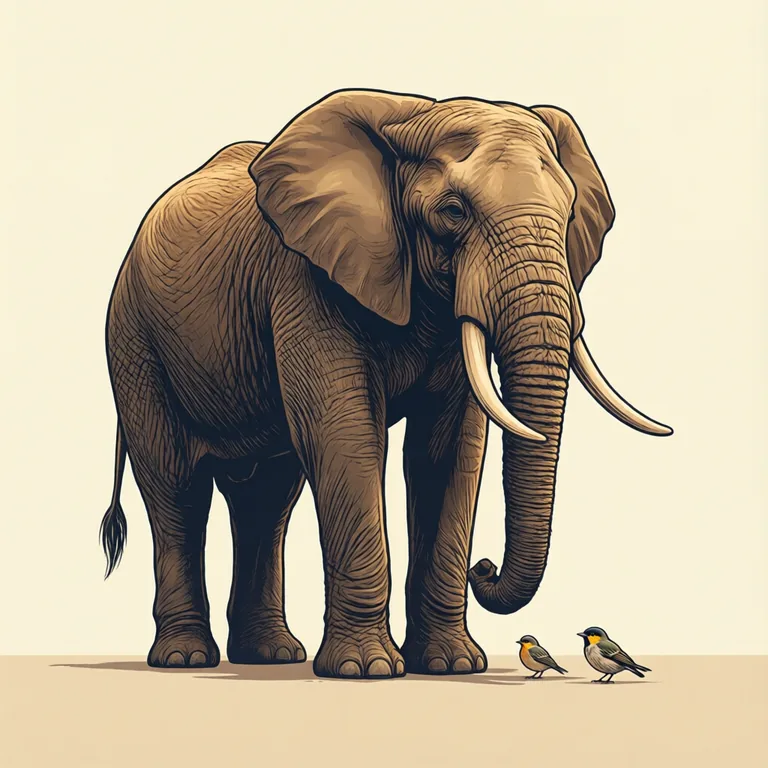
- adj. 大的
- adj. 重要的
- adv. 大规模地
- adv. 夸张地
- Definition
- adj. large in size
- adj. important
- adv. on a large scale
- adv. in an impressive way
- Example
- That is a really big dog for such a small house.
- 对于这么小的房子来说,那是一只相当大的狗。
Synonyms & Differences 近义词辨析
Compared meaning: large in size or amount (adjective).
比较义项:体积或规模大(形容词)。
- great
Formal or literary; typically describes grand or abstract scale such as height, distance or number rather than everyday objects, and alone often means 'excellent' rather than 'large'.
较为正式或书面化,常用来形容高度、距离、数量等宏大或抽象的规模,而非日常物体;单独使用时更常表示“极好的”,而不是“大”。
The eagle soared to a great height above the mountain peaks.
那只鹰翱翔到山峰上方极高的高度。
- big 本词
The most common, everyday, informal word for size; used freely in casual speech with almost any concrete noun, without the strong emphasis of huge or the formal tone of large.
是表示“大”最常见、最口语化的日常用词,可以自由用于几乎任何具体名词的非正式表达中,没有 huge 那种强调语气,也没有 large 那种正式的语气。
She gave me a big hug before I left for the airport.
在我去机场之前,她给了我一个大大的拥抱。
- large
More formal and neutral than big; common in written, official or technical descriptions of size or quantity, without the casual tone of big or the emphatic surprise of huge.
比 big 更正式、更中性,常见于书面语或正式、技术性的大小或数量描述中,没有 big 那种随意口吻,也没有 huge 那种带惊讶意味的强调。
They bought a large house near the old forest.
他们在那片古老的森林附近买了一栋大房子。
- huge
Informal and emphatic; stresses that something is far beyond the expected or normal size, often used for dramatic effect or surprise, and can describe amount as well as size.
非正式且语气强烈,强调某事物远超预期或正常的大小,常用于夸张或表达惊讶,既可形容体积也可形容数量。
The company built a huge factory outside the city.
这家公司在城外建造了一座巨大的工厂。
Great, big, large, and huge all mean large in size. Great is formal, for abstract scale like height. Big is common, informal word for size. Large is formal, used in writing. Huge is informal, far beyond expected size. Great's 'excellent' and big's 'important' aren't compared.
这四个词都能表示“大”,但语气和使用场合不同:big 是最口语化的日常说法;large 更正式、中性,常用于书面语或数据描述;huge 语气最强,强调远超预期的大小;great 则偏书面语,常与高度、距离等抽象规模搭配。这里不比较 great 常见的“极好的,优秀的”义项,也不比较 big 表示“重要”的引申义(例如重大的决定)。
Compared meaning: important or main (adjective).
比较义项:重要的、主要的(形容词)。
- primary
Means the main or first one among several things, ranking it above the others rather than simply stating it has value; common with 'goal', 'reason', 'concern', 'election'.
表示在几件事物中排在第一位的、最主要的那一个,强调排序在其他之上,而不只是说它有价值;常与goal、reason、concern、election等词搭配。
Our primary goal this year is to reduce customer complaints.
我们今年的主要目标是减少客户投诉。
- great
Suggests a high degree of significance, often paired with 'importance', 'role' or 'achievement'; sounds more formal, and even slightly literary, compared with 'important'.
表示意义十分重大,常与importance、role、achievement等词搭配;语气比important更正式,甚至带点文学色彩。
She played a great role in bringing the two sides together to sign the treaty.
她在促成双方签署条约的过程中发挥了重要作用。
- big 本词
An informal, everyday word for 'important', common in spoken English with 'decision', 'deal', 'day' or 'news'; it sounds too casual for formal writing.
是important的口语化、日常说法,常与decision、deal、day、news等词搭配;用在正式书面语中会显得太随意。
Buying a house is a big decision, so think it over carefully.
买房是一个重要的决定,所以要仔细考虑。
- important
The plain, neutral word for having great value or effect; it fits any context, formal or informal, and needs no special collocation.
是表示“有重大价值或影响”最普通、最中性的说法,正式或非正式场合都适用,也不需要特殊搭配。
It is important to save some money every month, no matter how little.
每个月存一点钱是很重要的,无论多少。
Primary, great, big, and important all relate to being important. Primary means the main one among several things. Great suggests high significance. Big is informal, common in speech. Important is neutral, for any context. Great's 'enjoyable', big's 'large', and primary's 'school' senses aren't compared.
这四个词在“重要”这一意义上很接近,但语气和搭配不同:primary强调“在多个事物中最主要的那一个”,great强调“意义重大”,语气较正式甚至带文学色彩,big是口语化的说法,important则是最中性、最常用的说法。这里不比较great表示“愉快、有趣”(如have a great time)、big表示“体积大”、以及primary表示“小学的”(如primary school)的意思。