foul
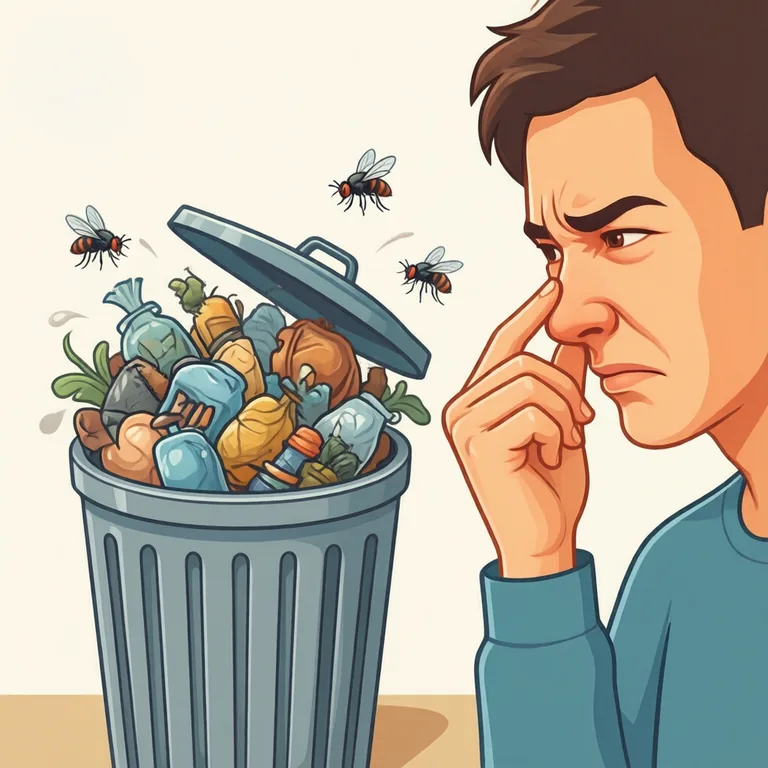
- adj. 肮脏的
- adj. 令人不快的
- adj. 恶劣的
- v. 弄脏
- v. 犯规
- Definition
- adj. extremely dirty
- adj. unpleasant
- adj. morally bad
- v. to make something dirty
- v. to break the rules of a sport
- Example
- The referee called a foul after the player pushed his opponent.
- 那名球员推了对手一把后,裁判判了一次犯规。
Synonyms & Differences 近义词辨析
Compared meaning: covered with dirt, unclean (adjective).
比较义项:肮脏的、脏污的(形容词)。
- foul 本词
Strongest and most negative; often describes disgusting smells, air, polluted water or weather; literary or formal in tone; rarely used for everyday dirt like hands or shoes.
语气最强、最负面,常用来形容令人作呕的气味、空气、污水或天气;属于书面语或文学化用词,很少用来形容手、衣服等日常的脏。
The foul smell from the drain made everyone leave the room.
排水管传来的foul气味让所有人都离开了房间。
- muddy
Specifically covered with or full of mud, i.e. wet earth; literal and concrete, typically used for boots, roads, fields or paths after rain.
特指沾满泥浆(湿泥土),意思具体、直观,常用于描述靴子、道路、田地或雨后的小路。
The trail was so muddy that we had to turn back.
小路太muddy了,我们只好折返。
- dirty
The plain, everyday word for covered with dirt or grime; neutral register, used for almost anything, such as hands, clothes or dishes.
最普通、最日常的“脏”,语气中性,几乎可以形容任何东西,例如手、衣服、碗碟等。
The mechanic's dirty hands left marks on the white door.
修理工那双dirty的手在白色的门上留下了印子。
- nasty
Informal word emphasizing that something is unpleasantly dirty or disgusting to touch or look at, often a stain, mess or smell; more casual than foul.
口语化用词,强调某物脏得令人厌恶、不想触碰或直视,常用来形容污渍、脏乱或气味,语气比foul更随意。
There was a nasty stain on the sofa that no one could explain.
沙发上有一块nasty的污渍,没人能解释是怎么来的。
Foul, muddy, dirty, and nasty all mean unclean here. Foul is strongest, for bad smells or water. Muddy means covered in mud. Dirty is the plain, everyday word. Nasty is informal, for something disgusting. Foul, dirty, and nasty also have other meanings not compared here.
这几个词在“肮脏的”这一意义上很接近,但语气强弱和使用场合不同:foul语气最重,多用于书面语或描述恶臭、污水等;dirty最常用、最中性;muddy专指沾满泥浆;nasty较随意,强调令人厌恶。这里不比较foul作名词“犯规”、动词“犯规”的用法,也不比较dirty表示“下流的”,以及nasty表示“恶劣的、讨厌的”(如天气、性格)等其他义项。
Compared meaning: very unpleasant or disgusting (adjective).
比较义项:令人不快、令人厌恶的(形容词)。
- foul 本词
General, blunt word for something strongly unpleasant — smell, taste, weather, language, or a mood; common in everyday speech, not tied to one domain.
语气直白、用法通用的词,形容气味、味道、天气、语言或情绪等各种令人不快的事物;日常口语中常用,不局限于某一特定领域。
It was such foul weather that the football match had to be postponed.
天气恶劣到连足球比赛都不得不推迟了。
- rank
Specifically describes a strong, sickening smell — often organic decay such as rotting food, sweat, or mildew; more literary and old-fashioned, never used for behavior.
专指刺鼻、令人作呕的强烈气味,常形容腐烂食物、汗味、霉味等有机物的臭味;用词偏文学化、略显老式,不用于形容行为。
The cellar had a rank smell of mildew that made her wrinkle her nose.
地窖里弥漫着一股霉味般的恶臭,熏得她皱起了鼻子。
- offensive
Describes words, jokes, images, or behavior that insult or upset people's feelings, especially about race, religion, or dignity; never describes a smell or the weather.
形容侮辱或伤害他人感情的言语、笑话、图像或行为,尤其涉及种族、宗教或尊严方面;从不用来形容气味或天气。
Several employees complained that the joke was offensive and asked HR to intervene.
几名员工抱怨这个笑话很冒犯人,要求人力资源部门介入处理。
- disgusting
Strong, general word for something that provokes revulsion — can be a smell, taste, sight, or someone's behavior; more emotionally intense and informal than the others.
语气强烈、用法宽泛的词,形容让人产生强烈反感情绪的事物——可以是气味、味道、景象,也可以是某人的行为;比其他几个词更情绪化、更口语化。
The bathroom was left in a disgusting state after the party, with rubbish everywhere.
派对结束后,浴室被弄得脏乱恶心,到处都是垃圾。
Foul, rank, offensive, and disgusting can all describe something very unpleasant, but the focus differs. Foul is a general word for smell, weather, or language. Rank means a strong, sickening smell. Offensive means words or behavior that insult people. Disgusting is the strongest, general word.
这几个词都能表达强烈的负面感受,但侧重点和常见搭配不同:foul 泛指各种令人不快的事物(气味、天气、语言、情绪等),语气直白通俗;rank 专指刺鼻的恶臭,用法偏文学化,只用于气味;offensive 侧重言语或行为冒犯他人的感受,不涉及气味;disgusting 语气最强,泛指让人产生生理或心理反感的一切事物。foul 另有体育比赛中“犯规”的名词/动词用法,rank 另有“等级、排名”的名词/动词用法,这两个义项本卡片不作比较。
Compared meaning: to make something dirty or unclean (verb).
比较义项:弄脏、污染(使不洁净)(动词)。
- contaminate
Emphasizes introducing a harmful or foreign substance (germs, chemicals) into something meant to be clean or safe, often in food, water, or medical contexts; fairly formal.
强调将有害或外来物质(如细菌、化学品)混入原本清洁或安全的东西中,常用于食品、水源、医疗等语境;语气较正式。
Improper storage can contaminate the vaccine batch and make it unsafe to use.
储存不当会污染这批疫苗,使其无法安全使用。
- foul 本词
Means to make something dirty with waste, dirt, or refuse, often through physical contact; more literal and informal than the others, common with animals or waste.
指用污物、泥土或垃圾等把某物弄脏,常涉及实际接触;比另外两个词更具体、更口语化,常用于动物或废弃物造成的脏污。
Geese fouled the schoolyard, forcing the staff to hose down the entrance daily.
大雁把校园弄得很脏,迫使工作人员每天用水冲洗入口处。
- pollute
Specifically refers to harming the natural environment (air, water, land) with waste or chemicals; the standard word in ecological and environmental contexts.
特指用废物或化学物质破坏自然环境(空气、水、土地),是环保和生态语境中的标准用词。
Old coal plants pollute the air, adding smog to the entire valley.
老旧的燃煤电厂污染空气,给整个山谷增添了雾霾。
All three mean to make something dirty. Contaminate stresses adding a harmful substance, like germs or chemicals; it sounds formal. Pollute means harming the natural environment. Foul means dirtying something with waste and sounds informal; sports and language senses are not compared here.
这三个词都表示使某物变脏或不洁净,但语境和语气不同:contaminate 强调混入有害物质(如细菌、化学品),常用于食品、水源、医疗等安全语境,语气较正式;pollute 专指对自然环境(空气、水、土地)造成污染,常见于环保语境;foul 强调用污物、垃圾等使物体变脏,语气更口语化、具体。注意 foul 在体育、语言等领域另有“犯规”“脏话”等不在此比较的义项。