dirty
- adj. 肮脏的
- adj. 卑鄙的
- v. 弄脏
- Definition
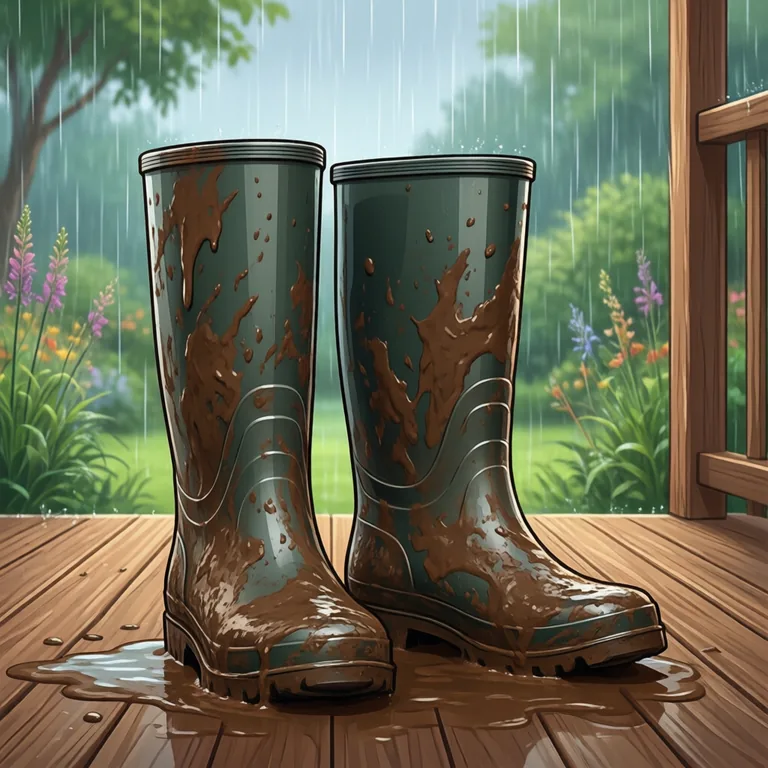
- adj. covered with dirt
- adj. dishonest and unfair
- v. to make something dirty
- Example
- His shoes were dirty after walking through the mud.
- 他的鞋子在泥地里走过之后变脏了。
Synonyms & Differences 近义词辨析
Compared meaning: dirty, covered with dirt or mud (adjective).
比较义项:脏的,沾有污垢或泥土的(形容词)。
- dirty 本词
The most general, neutral word for covered with dirt; it can describe almost any kind of mess and carries no special sense of extreme degree or a specific source like mud.
最通用、中性的词,表示沾满污垢,几乎可以形容任何脏乱的情况,没有程度极端或特定来源(如泥土)的含义。
His hands were dirty from fixing the car all afternoon.
他整个下午都在修车,双手弄得很脏。
- muddy
Describes something covered with or full of mud specifically, usually from rain, wet ground, or water; not used for dust, grease, or other kinds of dirt.
专指沾满或充满泥浆,通常是因雨水、湿地或水而弄脏;不用来形容灰尘、油污等其他种类的污垢。
After the rainstorm, the dog's paws were muddy from the garden.
暴雨过后,小狗的爪子沾满了花园里的泥巴。
- nasty
An informal, disapproving word that adds a sense of disgust or revulsion to being dirty, often exaggerating how unpleasant something looks or feels.
口语化、带贬义色彩的词,除了脏之外还带有令人厌恶、反感的意味,常用来夸张地形容东西多么令人不快。
That gas station bathroom was so nasty I refused to use it.
那家加油站的厕所脏得让人反感,我根本不想用。
- filthy
A stronger word than dirty, describing something extremely or thoroughly dirty, often with thick, ingrained grime built up over time.
比 dirty 语气更强,形容极其肮脏、彻底脏污,常指长期积累、很难清除的污垢。
The old warehouse floor was filthy, covered in decades of grime and dust.
那间旧仓库的地板脏得不成样子,积满了几十年的污垢和灰尘。
Dirty, muddy, nasty, and filthy all mean dirty, but differ in degree and tone. Muddy means covered with mud. Filthy means extremely dirty. Nasty adds disgust. Dirty is the most neutral word. This does not cover nasty meaning bad, or dirty meaning dishonest.
这四个词都可以形容“脏”,但程度和语气不同:muddy 特指沾满泥浆,filthy 强调脏的程度很深,nasty 带有令人厌恶的主观评价,dirty 最中性、最常用。这里不比较 nasty 表示“令人不快的、恶劣的”(如天气、性格)以及 dirty 表示“不正当的、下流的”等其他义项。
Compared meaning: dishonest or morally wrong behavior (adjective).
比较义项:不诚实、违背道德或公正原则的(形容词)。
- dirty 本词
General term for unfair, dishonest behavior, especially in games, sports, or competition; often collocates with 'trick' or 'tactics,' and doesn't necessarily involve money or power.
泛指不公平、不诚实的行为,尤其用于游戏、体育或竞争场合;常与「trick(花招)」或「tactics(手段)」搭配,不一定涉及金钱或权力。
The boxer was disqualified for using dirty tactics in the ring.
那名拳击手因在拳击场上使用卑鄙手段而被取消资格。
- corrupt
Describes people, officials, or institutions who abuse their power or position for personal gain, especially by taking bribes; strongly linked to politics, government, or business.
指人、官员或机构滥用权力或职位谋取私利,尤指收受贿赂;与政治、政府或商业密切相关。
The corrupt customs official demanded a bribe before releasing the shipment.
这名腐败的海关官员在放行货物前索要贿赂。
- sordid
Emphasizes moral disgust at shameful, sleazy behavior or details, often revealed publicly in a scandal; stronger and more literary than 'dirty,' not limited to bribery.
强调对可耻、龌龊行为或细节的道德厌恶,常在丑闻中被公开揭露;语气比 dirty 更强烈,语域更书面,不限于贿赂行为。
The trial exposed the senator's sordid history of blackmail and lies.
审判揭露了这位参议员充满敲诈和谎言的卑鄙历史。
Dirty, corrupt, and sordid all describe dishonest behavior, but differ in tone. Dirty is mild, as in a dirty trick. Corrupt means abusing power or bribery, used for officials or business. Sordid is stronger, describing shameful scandal details. This does not cover dirty meaning unclean.
这三个词都表示行为不诚实、有失公正,但语气和用法不同:dirty 泛指不正当的手段或行为,语气较轻,常见搭配是「dirty trick」「dirty play」,不一定涉及金钱或权力;corrupt 特指滥用权力、收受贿赂的腐败行为,多用于官员、机构或商业场合;sordid 强调令人不齿、龌龊肮脏的丑闻细节,语气最重,语域偏书面,不限于贿赂。这里不比较 dirty 更常见的字面义「脏的、肮脏的」。
Compared meaning: to make something dirty (verb).
比较义项:弄脏(动词)。
- soil
More formal and literary than dirty; often used about delicate or clean things being stained, or figuratively, as in soiling one's reputation.
比 dirty 更正式、更书面化;常用于形容精致或洁净的东西被弄脏,也常用于比喻义,例如玷污名誉。
The scandal threatened to soil the mayor's reputation before the election.
这起丑闻险些在选举前玷污了市长的名誉。
- dirty 本词
The plain, everyday verb for making something dirty; used in casual speech about ordinary physical things like hands, clothes, or tools.
是日常口语中更常用、更直白的动词,指把普通的实物弄脏,比如手、衣服或工具。
He dirtied his hands fixing the old car engine in the garage.
他在车库修理那台旧汽车发动机时弄脏了双手。
Soil and dirty both mean to make something dirty. Soil is formal, often for delicate things, and can mean to soil a reputation. Dirty is common, for things like clothes or hands. This does not cover soil as earth, or dirty as an adjective.
这两个词在“把某物弄脏”这个意思上接近,但语域和使用场合不同:soil 更正式、更书面化,常用于精致或洁净的东西被弄脏,也常用于比喻义(如玷污名誉);dirty 是口语中更常用、更直白的说法,多指日常物品(衣服、手、鞋子)被弄脏。这里不比较 soil 常见的名词义“土壤”,也不比较 dirty 作形容词时“脏的”这个用法。