weak
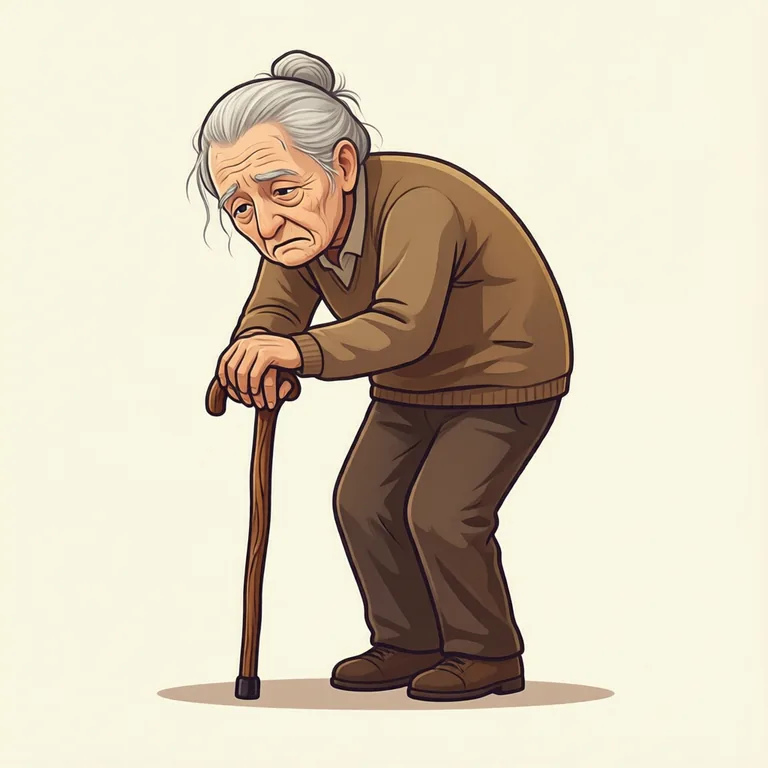
- adj. 虚弱的
- adj. 弱的
- adj. 无说服力的
- Definition
- adj. not physically strong
- adj. not powerful
- adj. not convincing
- Example
- After the long illness, his legs felt weak and unsteady.
- 经过长期的病痛后,他的双腿感觉虚弱无力,站不稳。
Synonyms & Differences 近义词辨析
Compared meaning: weak or pale from illness or tiredness (adjective).
比较义项:身体虚弱、无力,或脸色苍白(多因生病、疲惫等引起)(形容词)。
- faint
Describes a sudden feeling of dizziness and weakness, as if about to collapse; used with 'feel faint', describing a momentary physical state rather than a lasting condition.
形容突然感到头晕、虚弱,仿佛快要晕倒;常见搭配为“feel faint”(感到眩晕欲倒),强调的是一时的身体状态,而非持续的状况。
She suddenly felt faint and grabbed the railing to keep from falling.
她突然感到一阵晕眩无力,赶紧抓住栏杆以免摔倒。
- wan
Describes a pale, sickly complexion, especially after illness or exhaustion; a literary or formal word, often paired with 'pale' ('pale and wan'), and used mainly for the face.
形容脸色苍白、病态,多用于生病或极度疲惫之后;是较为书面、文学化的词,常与 pale 连用,如“pale and wan”(脸色苍白无血色),主要用来形容脸部。
After the flu, her face looked wan and colorless, worrying her mother.
得了流感之后,她的脸色显得苍白无血色,让母亲很担心。
- weak 本词
Describes a general lack of physical strength or energy in the body or a body part (such as the legs), without focusing on skin color or a fear of collapse; the most common, neutral word of the four.
形容全身或身体某部位(如双腿)普遍缺乏力气,不涉及脸色或即将晕倒的感觉;是四个词中最常用、最中性的一个。
After the illness, her legs were still weak and shaky.
生病之后,她的双腿仍然虚弱无力,走路摇摇晃晃。
- pale
Describes a lighter-than-usual skin color, e.g. from tiredness, fear or illness; a common, everyday word for facial color, less literary than 'wan' and broader in use.
形容脸色比平时苍白,例如因疲惫、害怕或生病所致;是形容脸色最常用的日常词,比“wan”更口语化,用法也更广泛。
He looked pale and worn out after studying all night.
他熬夜复习了一整夜,看上去脸色苍白,一副精疲力竭的样子。
Faint, wan, weak, and pale can mean weak from illness or tiredness. Faint means suddenly dizzy. Wan and pale describe a pale face, wan more literary. Weak means a lack of strength. Not compared: faint meaning barely heard, weak meaning not strong, pale meaning light-colored.
这四个词都可以形容因生病、劳累等原因显得虚弱或脸色苍白,但侧重点不同:faint 强调突然感到眩晕、快要晕倒的感觉;wan 和 pale 侧重脸色苍白,其中 wan 更加书面、常与 pale 连用;weak 泛指全身或身体某部位缺乏力气。这里不比较 faint 表示“微弱、几乎听不见”的义项(如 faint sound、faint smell);不比较 weak 表示“效力弱”的义项(如 weak tea、weak argument);也不比较 pale 表示“颜色浅淡”或引申为“逊色的”的义项(如 a pale imitation)。
Compared meaning: lacking power or strength (adjective).
比较义项:缺乏力量、无法施加作用(形容词)。
- weak 本词
Weak describes a general lack of physical strength or power in a person or thing, with no implication of a specific external situation causing it.
weak表示人或事物本身力气、力量不足,是一种一般性描述,并不涉及造成这种状态的具体外部情境。
After the long illness, his legs felt weak and unsteady.
生了一场大病之后,他的双腿感到虚弱无力,站不稳。
- powerless
Powerless describes being unable to act, control, or influence a particular situation, usually because of external circumstances, rather than a general lack of physical strength.
powerless表示在某个具体情境中无法采取行动、加以控制或施加影响,通常是由外部原因造成的,而不是泛指身体力量不足。
Without electricity, the whole neighborhood felt powerless and quiet.
停电之后,整个社区显得无力应对,一片寂静。
Weak and powerless both mean lacking power, but differ in focus. Weak describes a general lack of physical strength in a person or thing. Powerless describes being unable to act or have influence in a specific situation. This does not cover weak meaning diluted.
weak和powerless在“缺乏力量”这一点上意思相近,但weak泛指人或事物本身力气/力量不足,powerless则强调在某个具体情境中因外部原因而无法采取行动或施加影响,带有无助感。weak还有“(茶、信号等)淡的、弱的”等其他义项,这里不比较。