pale
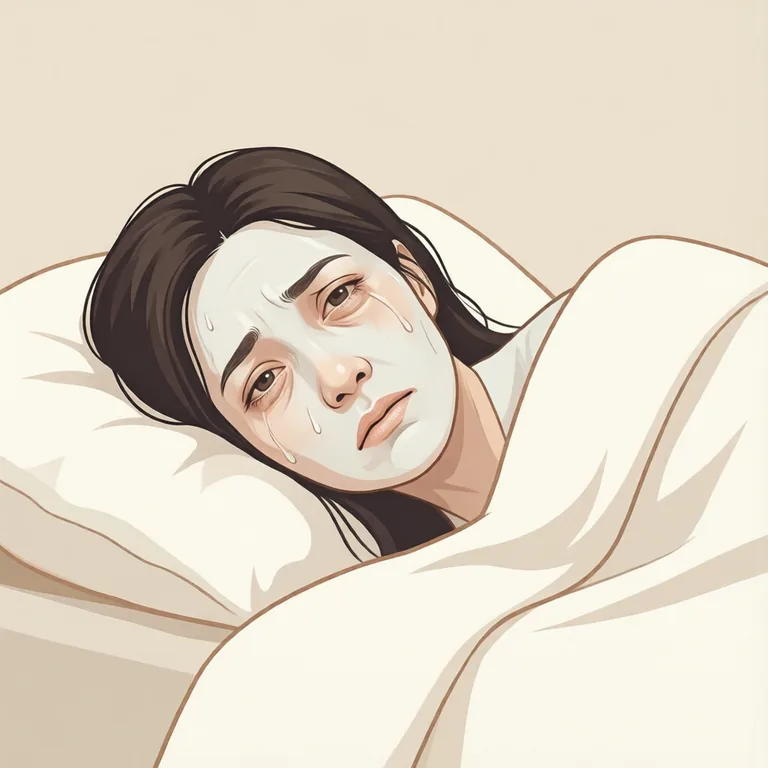
- adj. 苍白的, 暗淡的
- adj. 无力的
- v. 变苍白
- Definition
- adj. light in color, especially because of illness
- adj. lacking strength
- v. to become pale, especially from fear or shock
- Example
- He looked pale after staying up all night studying.
- 熬了一夜通宵学习后,他脸色苍白。
Synonyms & Differences 近义词辨析
Compared meaning: light in color (adjective).
比较义项:颜色浅、淡(形容词)。
- light
The most neutral, everyday word for a light shade of any color; used broadly with no hint of complexion or design style.
该词是表示颜色浅淡最普通、最中性的说法,可以泛指任何浅色,不涉及肤色或设计风格的含义。
I always buy light-colored shirts in summer because they stay cooler under the sun.
我夏天总是买浅色衬衫,因为它们在阳光下更凉快。
- pale 本词
Often describes a lack of color or vividness, especially a person's face losing its normal color from illness, fear, or tiredness; also fits faded, washed-out shades.
常表示缺乏血色或色彩不鲜艳,尤其指人因生病、害怕或疲惫而脸色发白;也可以形容褪色、暗淡的颜色。
He looked pale after staying up all night studying.
熬夜学习了一整晚后,他看起来脸色苍白。
- pastel
Names a specific family of soft, muted, delicate colors (like baby pink or mint) favored in design and fashion; not used to describe a person's complexion.
特指一类柔和、淡雅、精致的颜色(如淡粉色、薄荷绿),常见于设计和时尚领域,不用来形容人的脸色。
She painted the nursery walls in a soft pastel pink.
她把婴儿房的墙壁刷成了柔和的淡粉色。
Light, pale, and pastel can all mean light in color. Light is the common word for any light shade. Pale suggests missing color, for a pale face. Pastel names soft colors used in design. This does not cover light meaning bright, or pale meaning weak.
这三个词都能表示颜色浅淡,但语气和用法不同:light最常见、最中性,可以泛指任何浅色;pale强调缺乏鲜艳或血色,常用来形容人脸色苍白;pastel特指柔和淡雅的一类颜色,多用于设计、时尚语境。这里不比较light的“光”“轻的”等其他义项,也不比较pale的“无力的、站不住脚的”等其他义项。
Compared meaning: weak or pale from illness or tiredness (adjective).
比较义项:身体虚弱、无力,或脸色苍白(多因生病、疲惫等引起)(形容词)。
- faint
Describes a sudden feeling of dizziness and weakness, as if about to collapse; used with 'feel faint', describing a momentary physical state rather than a lasting condition.
形容突然感到头晕、虚弱,仿佛快要晕倒;常见搭配为“feel faint”(感到眩晕欲倒),强调的是一时的身体状态,而非持续的状况。
She suddenly felt faint and grabbed the railing to keep from falling.
她突然感到一阵晕眩无力,赶紧抓住栏杆以免摔倒。
- wan
Describes a pale, sickly complexion, especially after illness or exhaustion; a literary or formal word, often paired with 'pale' ('pale and wan'), and used mainly for the face.
形容脸色苍白、病态,多用于生病或极度疲惫之后;是较为书面、文学化的词,常与 pale 连用,如“pale and wan”(脸色苍白无血色),主要用来形容脸部。
After the flu, her face looked wan and colorless, worrying her mother.
得了流感之后,她的脸色显得苍白无血色,让母亲很担心。
- weak
Describes a general lack of physical strength or energy in the body or a body part (such as the legs), without focusing on skin color or a fear of collapse; the most common, neutral word of the four.
形容全身或身体某部位(如双腿)普遍缺乏力气,不涉及脸色或即将晕倒的感觉;是四个词中最常用、最中性的一个。
After the illness, her legs were still weak and shaky.
生病之后,她的双腿仍然虚弱无力,走路摇摇晃晃。
- pale 本词
Describes a lighter-than-usual skin color, e.g. from tiredness, fear or illness; a common, everyday word for facial color, less literary than 'wan' and broader in use.
形容脸色比平时苍白,例如因疲惫、害怕或生病所致;是形容脸色最常用的日常词,比“wan”更口语化,用法也更广泛。
He looked pale and worn out after studying all night.
他熬夜复习了一整夜,看上去脸色苍白,一副精疲力竭的样子。
Faint, wan, weak, and pale can mean weak from illness or tiredness. Faint means suddenly dizzy. Wan and pale describe a pale face, wan more literary. Weak means a lack of strength. Not compared: faint meaning barely heard, weak meaning not strong, pale meaning light-colored.
这四个词都可以形容因生病、劳累等原因显得虚弱或脸色苍白,但侧重点不同:faint 强调突然感到眩晕、快要晕倒的感觉;wan 和 pale 侧重脸色苍白,其中 wan 更加书面、常与 pale 连用;weak 泛指全身或身体某部位缺乏力气。这里不比较 faint 表示“微弱、几乎听不见”的义项(如 faint sound、faint smell);不比较 weak 表示“效力弱”的义项(如 weak tea、weak argument);也不比较 pale 表示“颜色浅淡”或引申为“逊色的”的义项(如 a pale imitation)。