vicious
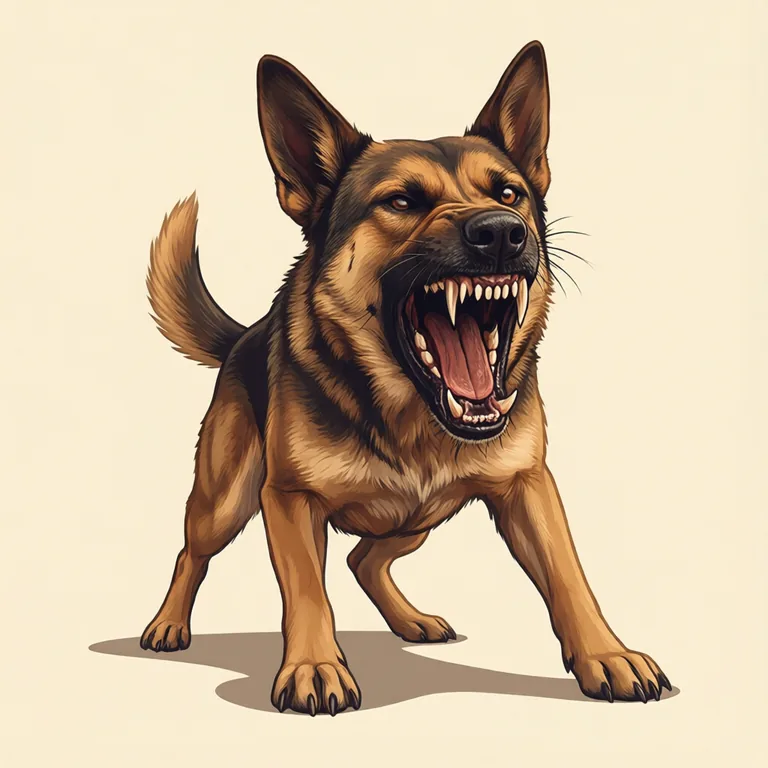
- adj. 残忍的, 恶毒的, 凶狠的
- Definition
- adj. cruel, violent, and deliberately unkind or harmful
- Example
- The dog gave a vicious bark when the stranger approached.
- 那只狗看到陌生人走近时凶狠地叫了起来。
Synonyms & Differences 近义词辨析
Compared meaning: causing pain or harm in a cruel way (adjective).
比较义项:残忍的(形容词)。
- brutal
Strongest of the three; describes extreme, often physical cruelty or violence, typically in attacks, murders, or oppressive regimes rather than everyday unkindness.
三者中语气最强;形容极端、常带有暴力性质的残忍,多用于暴行、谋杀或压迫性政权,而非日常的小小不友善。
The soldiers carried out a brutal massacre of innocent villagers.
士兵们对无辜的村民进行了残暴的屠杀。
- cruel
The plain, general word for deliberately causing pain or hurt feelings; can describe a small unkind remark or act, not just extreme violence.
是最普通、最一般的说法,指故意造成痛苦或伤害感情;既可以是一句伤人的话,也可以是一个小小的不善举动,不一定是极端的暴力。
It's cruel to leave a puppy outside in this cold weather.
在这么冷的天气把一只小狗留在外面,太残忍了。
- vicious 本词
Implies fierce, spiteful intent to harm, often with aggression or malice; commonly used for aggressive animals or deliberately hurtful gossip and attacks.
强调凶狠、带有恶意的伤害意图,常与攻击性或恶意联系在一起;常用于形容有攻击性的动物,或蓄意伤人的言语和攻击行为。
The neighbor's dog gave a vicious snarl and lunged at the mailman.
邻居家的狗凶狠地咆哮着扑向邮递员。
Brutal, cruel and vicious can all mean cruel, but they differ in strength. Cruel is the everyday word for unkind acts. Brutal is strongest, meaning extreme, often violent cruelty, as in attacks or harsh regimes. Vicious means fierce, malicious aggression, for animals or hurtful words.
这三个词都可表示「残忍的」,但程度和语境不同:cruel 是最普通、最常用的说法,可指日常生活中的不友善行为;brutal 语气最强,强调极端、常伴随暴力的残忍,多用于暴行、屠杀或政权;vicious 强调凶狠、带有恶意或攻击性,常用于形容动物或蓄意伤人的言行。这里不比较 brutal 表示「(天气或状况)极其恶劣」的用法,也不比较 vicious 表示「恶性循环」等引申义。
Compared meaning: wanting to harm someone on purpose (adjective).
比较义项:心怀恶意、蓄意伤害他人(形容词)。
- vicious 本词
Emphasizes fierce, savage cruelty, often describing physical aggression or violent attacks; the strongest and most visceral of the four.
强调凶猛、残暴,常用来形容身体上的攻击性行为,是四个词中语气最强烈、最直观的一个。
The two dogs got into a vicious fight over a bone.
这两只狗为了一根骨头打了一场凶狠的架。
- malicious
Highlights deliberate intent to hurt or upset someone, especially through words, rumors, or actions, and is common in legal or everyday contexts.
强调蓄意伤害或使人难堪的意图,常见于言语、谣言或行为方面,也常用于法律或日常语境。
He hacked into the system with malicious intent to steal data.
他怀着恶意侵入系统,企图窃取数据。
- malevolent
A formal, literary word describing a deep-seated desire to do harm, often used for a person's nature, spirit, or gaze rather than a single act.
是较正式、文学化的词,形容一种根深蒂固的害人本性,常用来形容人的本质、鬼怪或眼神,而非某一次具体行为。
The malevolent ghost seemed to enjoy frightening the children.
那个心怀恶意的鬼魂似乎很享受吓唬孩子们。
- vindictive
Specifically describes wanting to punish or take revenge on someone who has caused harm, driven by a grudge rather than random cruelty.
特指想要惩罚或报复曾经伤害过自己的人,出于怨恨而非无缘无故的残忍。
He became vindictive and tried to ruin his ex-partner's reputation.
他变得报复心很强,想要毁掉前任的名声。
Vicious, malicious, malevolent and vindictive all mean wanting to harm someone. Vicious means fierce, savage cruelty, often physical. Malicious means hurting or upsetting someone on purpose, often with words. Malevolent is a formal word for a deep wish to harm. Vindictive means wanting revenge.
这四个词都形容「心存恶意、想伤害他人」,但侧重点不同:vicious 强调凶狠、残暴,常指身体上的攻击性行为;malicious 强调蓄意使人难堪或受伤,多用于言语、谣言等场合;malevolent 语气更正式、书面,形容一种深藏的恶意本性;vindictive 特指因怨恨而想报复。这里不比较 vicious 表示「猛烈的,剧烈的」的用法(如 vicious cycle 恶性循环)。