variance
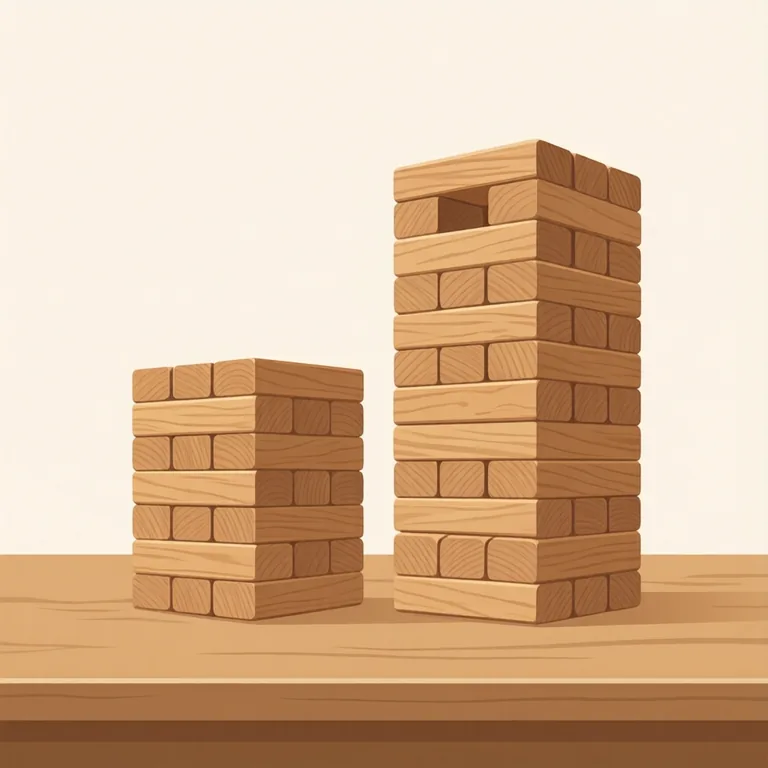
- n. 差异, 分歧
- Definition
- n. a difference or disagreement between two things, people, or amounts
- Example
- There was a big variance between the two test scores.
- 两次考试成绩之间存在很大差异。
Synonyms & Differences 近义词辨析
Compared meaning: a lack of agreement or match between things (noun).
比较义项:不一致,差异(名词)。
- disagreement
Used for a conflict of opinion or a mild argument between people; not used for a numeric or factual mismatch between things.
指人与人之间意见不同甚至发生小争执,不用于描述数据或事实上的不一致。
The two brothers had a small disagreement about which movie to watch.
两兄弟就看哪部电影产生了小小的分歧。
- variance 本词
A more formal, often numerical term for how much two figures or things differ; rarely applied to a personal difference of opinion.
较为正式的词,多指两个数字或事物之间的差异程度,很少用来形容人的意见分歧。
There was a wide variance in the players' heights on the basketball team.
篮球队队员们的身高差异很大。
- discrepancy
Implies two things that should match but do not, often suggesting an error to be found; common in reports, accounts, or records.
指本应一致却出现不符的情况,常暗示存在错误需要查明,多用于报告、账目或记录。
The manager noticed a discrepancy between the two sales reports.
经理注意到两份销售报告之间存在不符之处。
Disagreement, variance, and discrepancy all mean a lack of agreement. Disagreement is a conflict of opinion between people. Variance is a formal, numerical term for how much two figures differ. Discrepancy means two things that should match but do not. Not compared: variance's statistical meaning.
这三个词都表示“不一致”或“差异”,但侧重点不同:disagreement 侧重人与人之间意见不合甚至发生争执;variance 侧重两个数值或事物之间量的差异,语气较中性正式;discrepancy 侧重本应一致的事物之间出现的不符,常暗示需要查明原因。此处不比较其他义项,例如 variance 在统计学中还有专门的“方差”含义,这里不涉及。