up
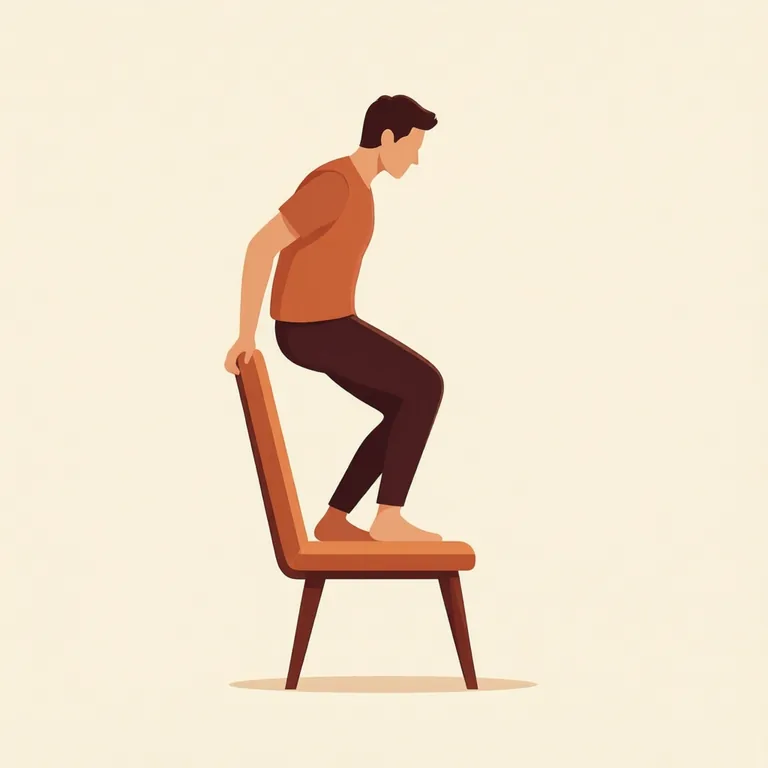
- adv. 向上, 上涨
- adv. 完, 尽
- adj. 起床的
- adj. 上涨的
- adj. 向上的
- Definition
- adv. towards a higher position, level, or amount
- adv. to a complete or finished state
- adj. awake
- adj. increasing
- adj. moving towards a higher position
- Example
- Please stand up when your name is called.
- 叫到你的名字时,请站起来。
Synonyms & Differences 近义词辨析
Compared meaning: moving in an upward direction (adverb).
比较义项:向上(方向副词)。
- up 本词
Up is the everyday, versatile word for upward direction and forms countless fixed phrasal verbs (stand up, wake up, look up) where upwards cannot substitute.
up 是表示向上方向最常用、最基础的词,并构成大量固定动词短语(stand up、wake up、look up),这些地方不能换成 upwards。
Stand up straight when the teacher walks into the room.
老师走进教室时,请站直(stand up)。
- upwards
Upwards is a more literal and slightly formal adverb for physical movement in an upward direction; it does not appear in fixed phrasal verbs like 'stand up'.
upwards 是更字面、略显书面的副词,专指物体在物理空间上向上移动,不用于像 stand up 这样的固定动词短语中。
The kite drifted upwards until it vanished into the clouds.
风筝缓缓向上飘去,直到消失在云层中。
Up and upwards both mean moving upward. Up is the basic, common word, used in many phrasal verbs like stand up and look up. Upwards is more formal and literary, describing only physical upward movement. Up's other meaning, like rising prices, is not compared here.
这两个词在表示“朝上的方向”时意思相近,但 up 是最基础、最常用的词,大量固定动词短语(stand up、wake up、look up)都靠它,upwards 则更书面、更字面,只单纯描述物理上的向上移动,不进入这类固定短语。up 的“增加/上涨”等其他义项(如物价 go up)这里不比较。
Compared meaning: not asleep (adjective).
比较义项:醒着的,没有睡觉(形容词)。
- up 本词
Informal, used mainly in short answers or questions about someone's daily routine, meaning already out of bed and not sleeping; usually follows a linking verb, rarely placed before a noun.
较为口语化,多用于谈论某人的日常作息,表示已经起床、没有在睡觉;通常放在系动词之后,很少用在名词前面。
She's usually up by six, even on weekends, ready to start the day.
她通常六点就已经起床了,即使在周末也一样,准备好开始新的一天。
- awake
The most neutral, general word for not being asleep; can be intensified with 'wide' or 'still', and can be used both before and after a noun.
是表示“醒着”最中性、最常用的词;可以用 wide、still 等加强语气,既能放在名词前,也能放在系动词之后。
He was wide awake and couldn't stop thinking about the exam.
他彻底醒着,满脑子都是那场考试,怎么也停不下来。
- sleepless
Emphasizes an inability to fall asleep, often because of worry, illness or discomfort; most commonly describes 'night(s)' or a person suffering from insomnia, with a more literary, troubled tone.
强调“无法入睡”,常因担心、生病或不适而引起;最常用来形容“夜晚”或经历失眠的人,语气更书面,带有困扰、煎熬的意味。
After three sleepless nights, she finally saw a doctor about her insomnia.
经过三个不眠之夜后,她终于去看医生,咨询她的失眠问题。
Up, awake, and sleepless all mean not sleeping. Up is informal, for someone already out of bed. Awake is the usual, neutral word. Sleepless stresses being unable to fall asleep, often about worry or a long night. Up's other sense is not compared here.
这三个词都可表示“醒着、没有睡觉”,但语气和搭配不同:up 口语化,多用于说某人已经起床、没在睡觉;awake 是最常用、最中性的说法,可用 wide、still 等加强语气;sleepless 强调“无法入睡”,常修饰 night 这类词,或指因失眠、担心而睡不着的人,语气更书面,带有困扰的意味。这里不比较 up 表示“向上、增加”等其他常见意义,也不比较 awake 作为动词“唤醒、醒来”的用法(当前仅比较形容词用法)。