undress
- v. 脱衣服
- v. 替人脱衣
- n. 裸体, 半裸
- Definition
- v. to take off your clothes
- v. to take off someone else's clothes
- n. the state of being partly or completely naked
- Example
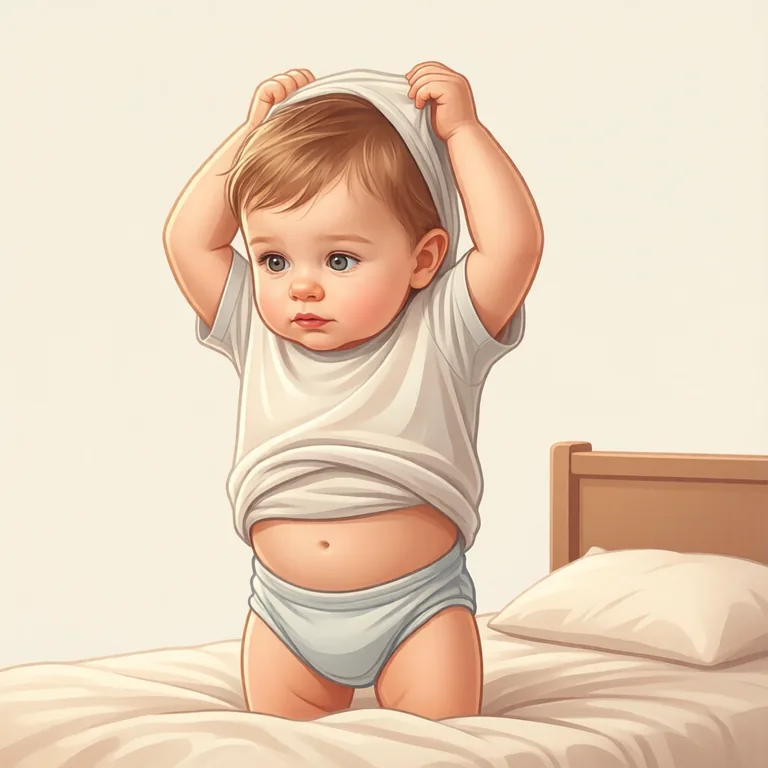
- The tired toddler began to undress himself before bedtime.
- 疲惫的小孩在睡觉前开始自己脱衣服。
Synonyms & Differences 近义词辨析
Compared meaning: to take off one's clothes (verb).
比较义项:脱衣服,脱去衣物(动词)。
- strip
Stronger than undress; often means to take off all one's clothes completely, can be used with an object (to strip someone), and suggests force, exposure, or a public act rather than a private routine.
语气比undress更强烈;常指彻底脱光衣服,可带宾语(剥去某人的衣物),带有强迫、暴露或当众动作的意味,而不是私下的日常行为。
He quickly stripped off his soaked clothes after falling into the lake.
他掉进湖里后,迅速脱掉了湿透的衣服。
- undress 本词
More neutral and gentler than strip; typically describes a private, everyday act of taking off one's own clothes, e.g. before bed or a bath, and is rarely used with an object or a forceful, public connotation.
比strip语气更中性、更温和;通常指私下脱下自己衣服的日常动作,例如睡前或洗澡前,很少带宾语,也没有强迫或当众的意味。
She helped her little sister undress before giving her a bath.
她帮小妹妹脱衣服,准备给她洗澡。
Strip and undress both mean to take off clothes, but strip is stronger; it can mean taking off all one's clothes completely, sometimes by force or in public. Undress is gentler and private, an everyday act like undressing before bed.
strip和undress在此均表示“脱衣服”,但strip语气更强,甚至可指被迫或当众脱光衣服,也可带宾语表示剥去某人的衣物;undress语气中性、私密,多指睡前或洗澡前脱衣的日常动作。这里不比较strip作名词表示“长条”或作动词表示“剥夺、剥离(权力、头衔等)”的意义。