stomach
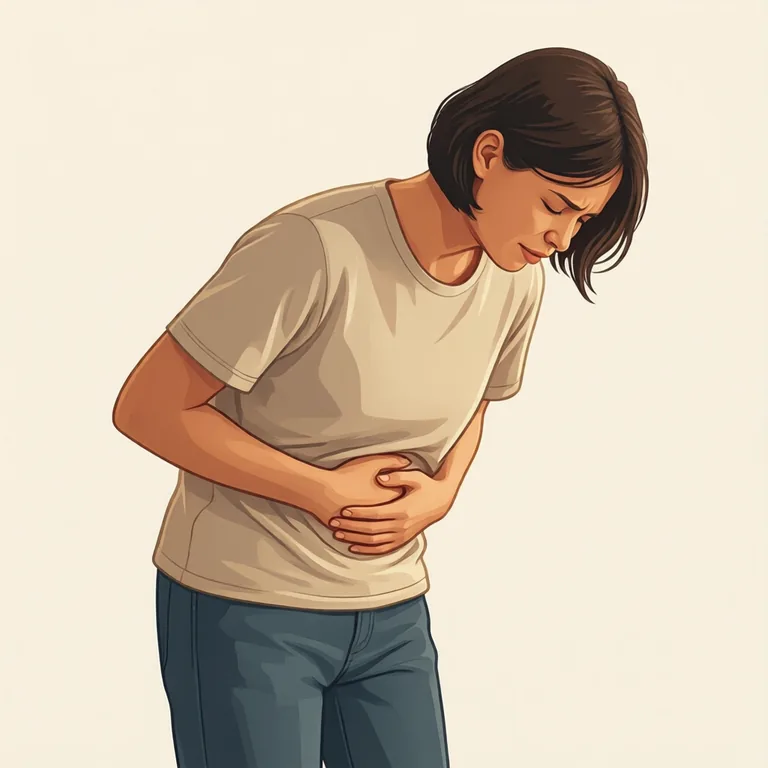
- n. 胃
- n. 腹部, 肚子
- v. 吃下
- v. 忍受
- Definition
- n. the organ where food is digested
- n. the front of your belly
- v. to eat something unpleasant
- v. to put up with something unpleasant
- Example
- My stomach growled loudly during the long meeting.
- 在那场漫长的会议中,我的肚子咕咕叫个不停。
Synonyms & Differences 近义词辨析
Compared meaning: the organ that digests food (noun).
比较义项:胃,腹部(名词)。
- stomach 本词
The neutral, all-purpose word for this organ; used in everyday, medical, and formal contexts alike, with no particular register restriction.
这是指该器官的中性、通用说法,在日常、医学和正式场合都可以使用,没有特定的语域限制。
The doctor said an empty stomach can make the medicine harder to absorb.
医生说空腹可能会让药物更难吸收。
- tummy
An informal, childish word, typically used by or with young children, or in casual, affectionate speech; sounds odd in medical or formal contexts.
这是一个口语化、儿童化的词,通常是儿童使用,或大人对儿童说话时使用,也用于随意、亲昵的口语中;用在医学或正式场合会显得不自然。
Does your tummy hurt, sweetie? Let's get you some warm water.
宝贝,你肚子疼吗?我们给你喝点温水吧。
Stomach and tummy both name the organ that digests food. Stomach is the neutral, all-purpose word, used in everyday, medical, and formal contexts alike. Tummy is informal and childish, used by or with young children, or in casual speech, and sounds odd in formal writing.
两词都指人体消化食物的器官——胃,但 tummy 是口语化、儿童化的说法,语气更轻松随意;stomach 是中性、通用的说法,正式和非正式场合都能用。
Compared meaning: the belly area, between chest and legs (noun).
比较义项:躯干前部、胸部与腿之间的部位——腹部(名词)。
- belly
Informal, everyday word for this area; often used playfully or for animals; sounds too casual in clinical or polite contexts.
口语化、日常用词,常带诙谐意味,也常用来指动物的腹部;在正式或医学语境中显得过于随意。
The dog rolled over so we could rub its belly.
那只狗翻过身,好让我们摸摸它的肚子。
- stomach 本词
The most common everyday word for this area, especially for describing feelings like hunger, nervousness or fullness; neutral register, mainly used for people.
是描述这个部位最常用的日常用词,尤其用来表达饥饿、紧张或吃饱等感觉;语气中性,主要用于人。
My stomach growled loudly during the long meeting.
在那场很长的会议中,我的肚子咕咕叫得很响。
- abdomen
Formal, clinical or anatomical term used mainly by doctors or in medical writing; sounds distant or overly technical in casual conversation.
正式的解剖学、医学用语,主要用于医生或医学文本中;在日常口语中显得生硬、过于专业。
The doctor pressed gently on his abdomen to check for pain.
医生轻轻按压他的腹部,检查是否疼痛。
Belly, stomach, and abdomen all name the body area between chest and legs. Belly is casual, also for animals. Stomach is the everyday word, often for hunger or nerves. Abdomen is formal and medical. Stomach's 'digestive organ' sense is not compared here.
这三个词都指人或动物躯干前部、胸腔与腿之间的部位,但正式程度不同:belly最口语化,也常用于动物;stomach是日常生活中最常用的说法,尤其用来描述饥饿、紧张等感觉;abdomen是解剖学、医学用语,正式而精确。这里不比较stomach作为“胃”这一消化器官的常见义项。
Compared meaning: to tolerate or endure something unpleasant (verb).
比较义项:忍受、容忍(不愉快的事物)(动词)。
- stomach 本词
Informal; almost always used in a negative form (can't/couldn't), for something disgusting or nauseating such as violence, cruelty, or bad food; carries a physical, gut-reaction sense of revulsion.
口语化用法,几乎总是与否定式(can't/couldn't)连用,表示对令人厌恶或反胃的事物(如暴力、残忍、难吃的食物)无法忍受,带有生理上的反感色彩。
He couldn't stomach the cruelty shown in that documentary about factory farms.
他无法忍受那部关于工厂化养殖纪录片中展现的残忍场面。
- bear
The most neutral and common of the three, with flexible grammar (can bear, couldn't bear, unable to bear, hard to bear); typically used for physical pain, discomfort, or difficult situations.
三者中最中性、最通用的说法,语法形式灵活(can bear、couldn't bear、unable to bear、hard to bear等),常用于疼痛、不适或困难处境。
The pain was so intense that she could barely bear it.
疼痛非常剧烈,她几乎无法忍受。
- suffer
More formal; usually means reluctantly tolerating someone else's behavior, especially in the fixed phrase 'suffer fools gladly'; less common in everyday speech than bear.
语气较为正式,通常表示不情愿地容忍他人的行为,常见于固定搭配「suffer fools gladly」(不轻易容忍愚蠢的人或行为),日常口语中不如bear常用。
The professor does not suffer fools gladly in his seminars.
这位教授在研讨课上从不轻易容忍愚蠢的言行。
Stomach, bear, and suffer can all mean to tolerate something unpleasant. Stomach is informal, used in negative sentences, and shows physical disgust. Bear is the most common, neutral word. Suffer is more formal, about unwillingly tolerating someone's behavior. Other senses are not compared here.
这三个词在“忍受、容忍某种不愉快事物”这一意义上比较接近,但语气强弱和使用场合有别:stomach较为口语化,多用于否定句,带有生理上的反感色彩;bear是三者中最通用、最中性的说法;suffer语气较为正式,多指不情愿地容忍他人的行为,常见于固定搭配「suffer fools gladly」。这里不比较stomach作名词表示“胃”、bear作名词表示“熊”或作动词表示“生育、承受(重量)”、suffer表示“遭受(疾病、损失等)”(如「suffer from headaches」)的意义。