brain
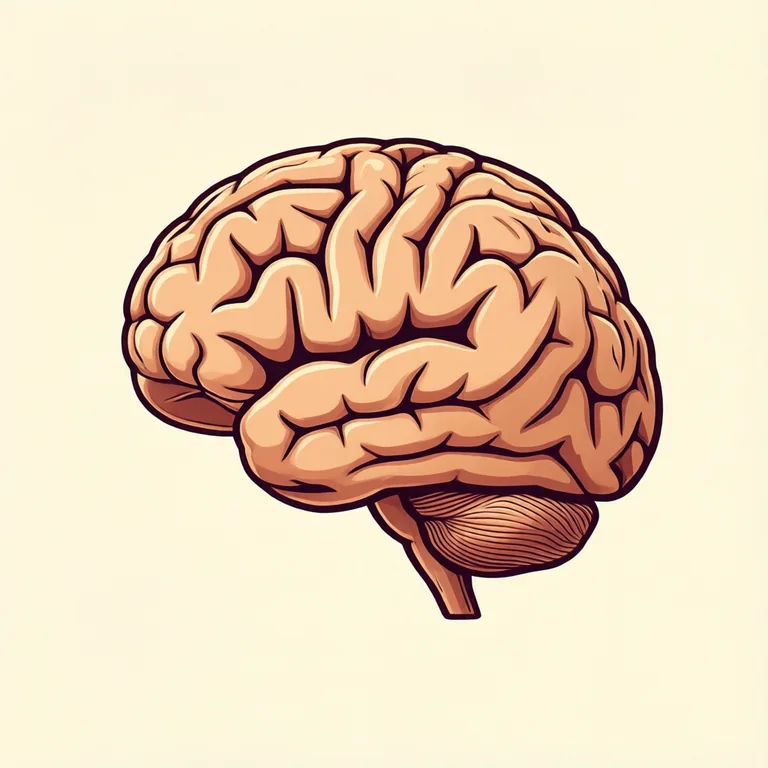
- n. 脑
- n. 智力, 头脑
- n. 天才, 聪明人
- Definition
- n. the organ inside the head used for thinking
- n. mental ability or intelligence
- n. a person with exceptional intellectual ability
- Example
- Reading books regularly keeps your brain sharp and active.
- 经常读书能让你的大脑保持敏锐和活跃。
Synonyms & Differences 近义词辨析
Compared meaning: the mind, the ability to think and feel (noun).
比较义项:头脑、心智(思考、感受和记忆的能力)(名词)。
- mind
Neutral, all-purpose word for the seat of thought and consciousness; works in both everyday and formal writing, without the informality of head or the organ-linked imagery of brain.
语域中性、最通用的词,指思考和意识的所在;日常和正式场合都可使用,不像 head 那样口语化,也没有 brain 那种器官化的比喻色彩。
Meditation helps clear my mind before an important exam.
冥想有助于在重要考试前让我的头脑清醒。
- head
Informal, everyday word for the mind, common in casual idioms about thinking, worrying, or natural talent; less formal than mind and rarely used in academic writing.
口语化、日常用词,指头脑,常见于关于思考、担心或天赋的习语中;比 mind 更随意,很少用于学术写作。
He has a good head for numbers and never needs a calculator.
他很有数字头脑,从不需要计算器。
- brain 本词
Emphasizes mental processing power or intelligence, often figuratively linked to the physical organ; common in idioms about hard thinking or effort.
强调思维能力或智力,常带有与身体器官相关的比喻色彩;常见于表示费心思考或努力的习语中。
I racked my brain all night trying to remember her name.
我绞尽脑汁想了一整晚,试图想起她的名字。
- psyche
Formal, often psychological or literary term for a person's deep inner mental and emotional life; used when discussing psychological effects, not casual daily thoughts.
正式、常用于心理学或文学语境的词,指一个人内心深处的心理和情感世界;用于讨论心理影响,而非日常随意的想法。
Years of harsh criticism left a lasting scar on his psyche.
多年严厉的批评给他的心理留下了持久的创伤。
Mind, head, brain, and psyche all mean the mind. Mind is the neutral, general word. Head is informal, common in idioms about thinking or worry. Brain stresses mental power, often linked to the physical organ. Psyche is formal, used in psychology for someone's inner life.
这几个词都能表示头脑或心智,但语域和搭配不同:mind 最通用、语域中性;head 口语化,常见于习语;brain 强调思维能力,带器官化的比喻色彩;psyche 正式,偏心理学或文学语境。这里不比较 mind 的介意(动词)或改变主意等用法;不比较 head 的头部(身体部位)或领导、首脑等用法;不比较 brain 作为脑器官本身(医学意义)的用法。
Compared meaning: intelligence or mental ability (noun).
比较义项:智力、脑力(名词)。
- brain 本词
Informal, everyday word for a person's natural intelligence or cleverness; often paired with adjectives like sharp, good, or quick; refers to raw mental capacity itself.
日常口语用词,指人天生的智力或聪明程度,常与 sharp、good、quick 等形容词搭配,用作指脑力本身的名词。
You need a sharp brain to beat him at chess.
你需要敏锐的头脑才能在国际象棋上赢他。
- mentality
More formal; refers to someone's overall level of mental capacity or intellectual functioning, often used in assessments; its far more common everyday sense is 'attitude or way of thinking', not compared here.
用法较正式,指一个人整体的心智能力或智力水平,常用于测评语境;注意 mentality 更常见的日常意思是"心态、思维方式",本卡不涉及那个意思。
The report described his mentality as well above average for his age.
报告将他的心智水平描述为远超同龄人的平均水平。
- wit
Refers specifically to quickness of mind in conversation, especially the ability to think of clever or funny things to say; not general intelligence, and often collocates with quick, sharp, dry.
专指交谈中思维敏捷、能说出机智或有趣话语的能力,不是泛指智力高低,常与 quick、sharp、dry 搭配。
Her quick wit kept the whole table laughing all evening.
她机智的反应让全桌人笑了一整晚。
All three can mean intelligence, but usage differs. Brain is informal, for natural cleverness. Mentality here means mental capacity, used in assessments; its common meaning is 'attitude or way of thinking', not compared here. Wit means quickness of mind, especially clever remarks, not general intelligence.
这三个词都可以译成"智力",但实际用法差别很大:brain 是日常口语中指一个人天生的脑力或聪明程度的说法;mentality 在这里指心智能力或智力水平,用法较正式,多见于测评或心理学语境,它更常见的意思其实是"心态、思维方式"(例如 victim mentality"受害者心态"),这个意思本卡不作比较;wit 专指说话机智、反应敏捷、会讲俏皮话的能力,与幽默感关系密切,而不是泛指智力高低。
Compared meaning: a very intelligent person (noun).
比较义项:智力超群、才智出众的人(名词)。
- brain 本词
Informal word for a smart person, common in everyday British English speech; often in the collective phrase 'the brains of' a group; suggests high intelligence, not necessarily rare genius-level talent.
口语化的说法,指聪明人,在日常英式英语口语中很常见;常用搭配“the brains of”(某群体中最聪明的人);强调智力高,但不一定像genius那样意味着罕见的天才级才能。
He's such a brain—he finished the crossword in five minutes.
他真是个聪明人——五分钟就做完了这道填字游戏。
- genius
Stronger and more formal; implies rare, extraordinary intellectual or creative talent, often innate; used for historically remarkable figures or hyperbolically to praise a clever idea.
语气更强、更正式;指罕见的、非凡的智力或创造才能,往往是天生的;常用于历史上杰出的人物,或夸张地称赞某个巧妙的想法。
Einstein is often called a genius for his revolutionary theory of relativity.
爱因斯坦常被称为天才,因为他提出了革命性的相对论。
Brain and genius can both mean a very intelligent person. Brain is informal, common in speech to praise someone clever. Genius is stronger and more formal, meaning rare, extraordinary talent, used for remarkable people or, jokingly, a clever idea. Not compared: brain meaning body organ.
这两个词都可以指“非常聪明的人”,但语气强弱和使用场合不同:brain更口语、随意,常用于日常夸赞聪明人;genius语气更强,指少见的、非凡的天赋,也可用于夸张的赞美。这里不比较brain的“大脑(身体器官)”义项,也不比较genius表示“(某方面的)天赋、才能”的不可数用法。