stem
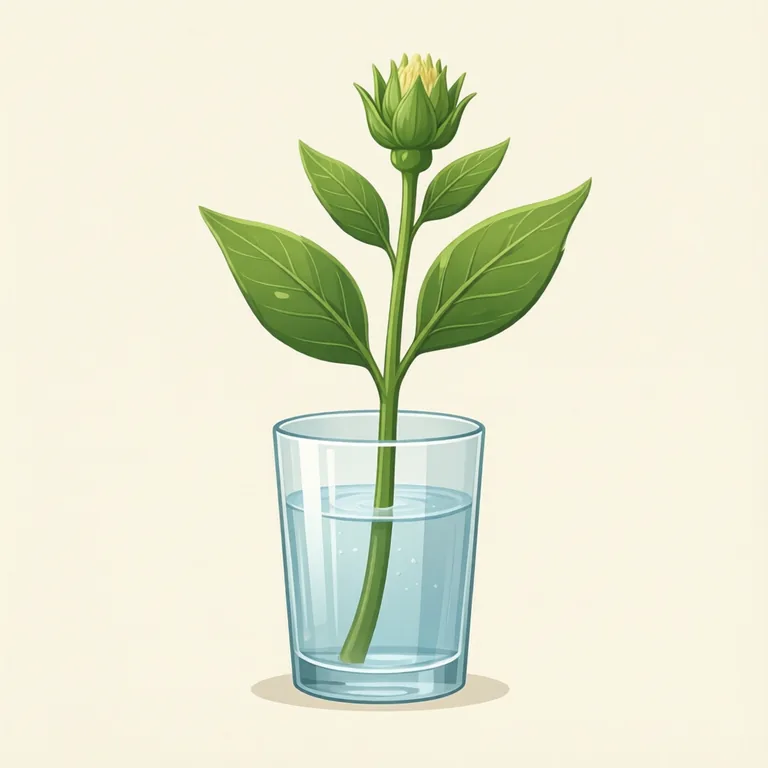
- n. 茎, 茎干
- v. 阻止, 遏制
- Definition
- n. the main long thin part of a plant that holds it up
- v. to stop or slow the flow of something
- Example
- She cut the stem of the flower before putting it in water.
- 她把花的茎剪短后插进水里。
Synonyms & Differences 近义词辨析
Compared meaning: the supporting stem of a plant (noun).
比较义项:植物的茎,支撑叶、花或果实的部分(名词)。
- stem 本词
The general, everyday word for a plant's upright supporting part; used for flowers, trees and most plants, in ordinary, non-technical speech.
指植物向上生长、起支撑作用的部分,用法通用、口语化,适用于花、树以及大多数植物。
The gardener trimmed each rose stem to the same length before arranging them.
园丁把每根玫瑰的茎都剪成同样的长度,然后再插花。
- stalk
Used especially for a thinner or more rigid supporting part, often of vegetables, grain or fungi (a celery stalk, a wheat stalk); more specific than the general term.
多指较细或较硬的支撑部分,常见于蔬菜、谷物或菌类的茎(如芹菜、小麦),比通用说法更具体。
She snapped a stalk of celery in half to add to the salad.
她把一根芹菜茎掰成两半,加进沙拉里。
Stem and stalk both mean a plant's supporting part. Stem is the common, general word for flowers, trees and plants. Stalk means a thinner or harder stem, often on vegetables, grain or fungi. Not compared: stem meaning 'word origin', or stalk meaning 'follow secretly'.
这两个词都指植物的茎,但用法有别:stem 是最常见、最通用的说法,花、树、各种植物的茎都可以用;stalk 通常指较细或较硬的茎,常见于蔬菜、谷物或菌类(如芹菜、小麦)的茎。这里不比较 stem 表示“词干”“来源于”等其他意思,也不比较 stalk 作动词表示“悄悄跟踪”的用法。
Compared meaning: to stop something that is flowing or happening (verb).
比较义项:使正在流动或进行的事物停止(动词:阻止、遏制、止住)。
- stem 本词
Used mainly for slowing or reducing a flow (blood, a tide, migration, losses); does not always mean a complete stop, and is common in news and business contexts.
主要用于减缓或减少某种流动(如血液、潮水、移民、损失等),不一定表示完全停止,常见于新闻和商业语境中。
The central bank raised interest rates to stem the flow of investment leaving the country.
央行上调利率,以遏制资金流出该国。
- halt
Used for stopping movement, an activity or a process completely, often suddenly; not specifically about a flow, and not restricted to blood or wounds.
用于使某种运动、活动或进程完全停止,通常是突然停止;并非特指某种流动,也不限于血液或伤口。
The referee halted the match when the floodlights suddenly failed.
泛光灯突然失灵时,裁判叫停了比赛。
- staunch
Narrow and rather formal; used almost only for stopping blood from a wound, and can take the wound or the blood directly as its object.
词义较窄且偏正式,几乎只用于止住伤口的血,可以直接以“伤口”或“血”作宾语。
He tied a cloth tightly around the cut to staunch the wound.
他用布条紧紧绑住伤口,以止住伤口的血。
Stem, halt and staunch all mean to stop something. Stem means slowing a flow, like blood or migration. Halt means stopping movement or a process completely. Staunch, formal, means stopping blood from a wound. Not compared: stem's plant sense, halt's noun sense, staunch meaning 'loyal'.
这三个词都可表示“让某物停止”,但语气和适用范围不同:stem 常用于减缓或遏制血液、潮水、移民等的“流动”,不一定表示完全停止;halt 泛指使运动、活动或进程完全停止,不限于“流动”;staunch 用法最窄,几乎只用于止住伤口的血,语气也较正式。这里不比较 stem 作名词表示“(植物的)茎”的用法,也不比较 halt 作名词表示“停止,停车站”的用法,以及 staunch 作形容词表示“坚定的,忠诚的”的用法(例句中“a staunch supporter”正是这种未被比较的形容词用法)。