stalk
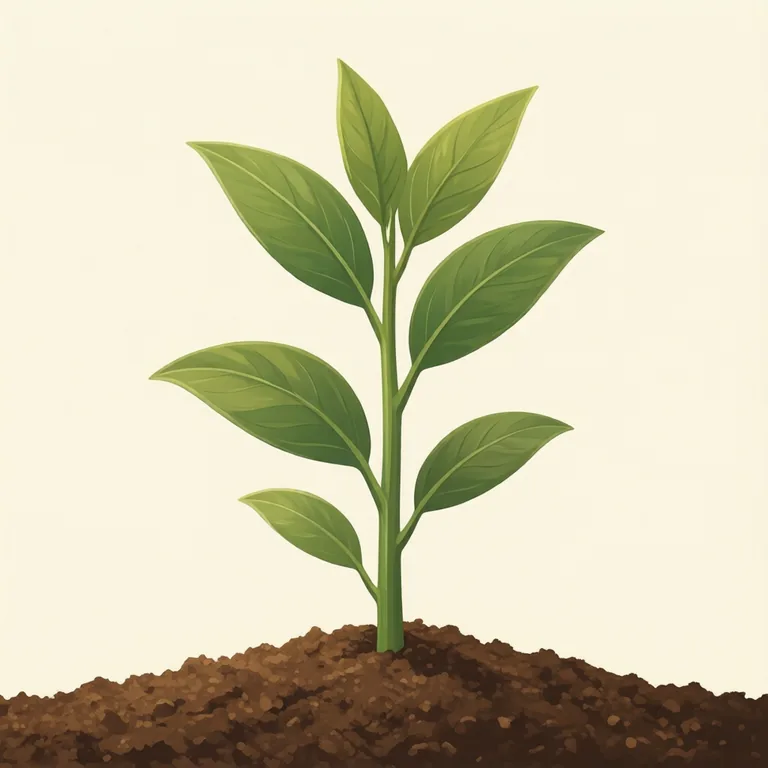
- n. 茎, 秆
- n. 跟踪
- v. 潜行跟踪
- v. 昂首阔步
- Definition
- n. the main stem of a plant
- n. an act of following someone closely
- v. to follow someone secretly and quietly
- v. to walk in a proud stiff way
- Example
- The cat began to stalk the bird hiding in the bushes.
- 猫开始悄悄跟踪躲在灌木丛里的那只鸟。
Synonyms & Differences 近义词辨析
Compared meaning: the supporting stem of a plant (noun).
比较义项:植物的茎,支撑叶、花或果实的部分(名词)。
- stem
The general, everyday word for a plant's upright supporting part; used for flowers, trees and most plants, in ordinary, non-technical speech.
指植物向上生长、起支撑作用的部分,用法通用、口语化,适用于花、树以及大多数植物。
The gardener trimmed each rose stem to the same length before arranging them.
园丁把每根玫瑰的茎都剪成同样的长度,然后再插花。
- stalk 本词
Used especially for a thinner or more rigid supporting part, often of vegetables, grain or fungi (a celery stalk, a wheat stalk); more specific than the general term.
多指较细或较硬的支撑部分,常见于蔬菜、谷物或菌类的茎(如芹菜、小麦),比通用说法更具体。
She snapped a stalk of celery in half to add to the salad.
她把一根芹菜茎掰成两半,加进沙拉里。
Stem and stalk both mean a plant's supporting part. Stem is the common, general word for flowers, trees and plants. Stalk means a thinner or harder stem, often on vegetables, grain or fungi. Not compared: stem meaning 'word origin', or stalk meaning 'follow secretly'.
这两个词都指植物的茎,但用法有别:stem 是最常见、最通用的说法,花、树、各种植物的茎都可以用;stalk 通常指较细或较硬的茎,常见于蔬菜、谷物或菌类(如芹菜、小麦)的茎。这里不比较 stem 表示“词干”“来源于”等其他意思,也不比较 stalk 作动词表示“悄悄跟踪”的用法。