spare
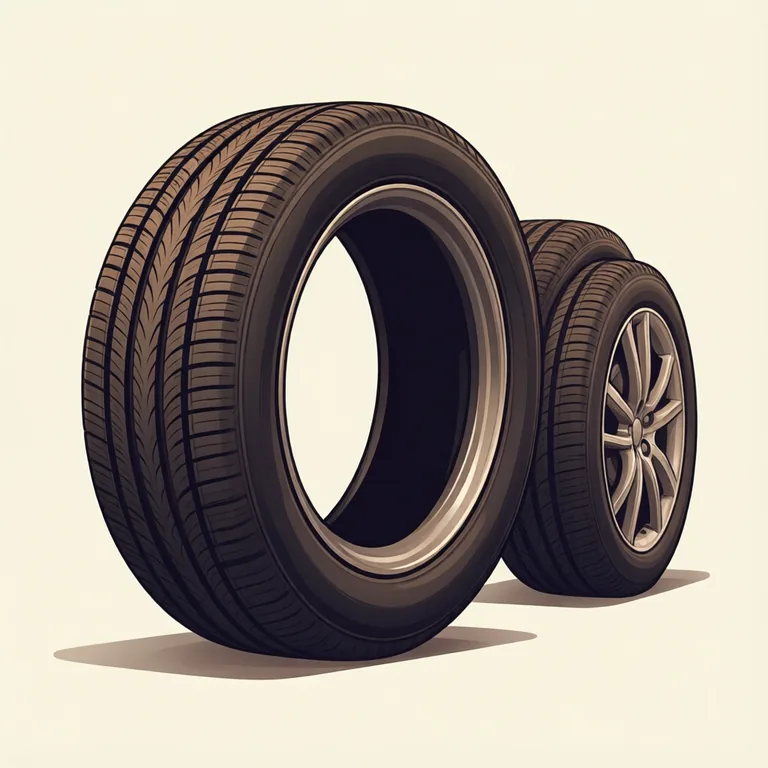
- adj. 多余的
- adj. 空闲的
- adj. 瘦的
- n. 备用品, 备件
- v. 饶恕, 放过
- Definition
- adj. extra
- adj. not currently being used, free
- adj. thin
- n. an extra thing kept ready in case it is needed
- v. to not hurt or punish someone
- Example
- Do you have a spare key in case I lose mine?
- 你有备用钥匙吗,以防我把自己的弄丢了?
Synonyms & Differences 近义词辨析
Compared meaning: more than what is needed (adjective).
比较义项:超出所需或正常数量的(形容词)。
- surplus
Describes a quantity left over after all needs are met, often for goods, produce or money; formal, typically used before a noun describing stock or supply.
指满足需求后剩余的数量,常用于货物、产品或资金;较为正式,通常放在名词前描述库存或供应量。
The government auctioned off its surplus military equipment last year.
政府去年拍卖了剩余的军用装备。
- extra
The general, neutral word for more than the usual or expected amount; used freely with countable and uncountable nouns in everyday speech.
是表示「超出通常或预期数量」最普通、中性的词,日常口语中可自由修饰可数和不可数名词。
Can I get extra cheese on my pizza, please?
我的披萨可以多加一些芝士吗,谢谢?
- spare 本词
Means kept unused and available as a backup for when it is needed, not simply 'more'; usually describes a single object kept in reserve.
指备而不用、留作备用的东西,而不仅仅是「更多」;通常用来描述留作备用的单个物品。
I always keep a spare tire in the trunk.
我总是在后备箱里放一个备用轮胎。
- excess
Implies going beyond a normal, permitted or expected amount, often with a negative or problematic connotation; common in formal or regulatory contexts like luggage or weight.
指超出正常、允许或预期的数量,常带有负面或成问题的意味;常见于行李、体重等正式或规定性语境。
Airlines often charge a fee for excess luggage weight.
航空公司常常对超重行李收取费用。
All four mean more than what is needed. Surplus describes leftover stock, produce, or money. Extra is the general, neutral word for more than usual. Spare means kept unused as a backup, not simply extra. Excess means going beyond a normal or allowed amount.
这四个词都可表示「超出所需或正常数量」,但语气和用法不同:surplus多用于正式语境中描述库存、产量或资金的剩余,excess强调超出限额或标准、常含负面意味,extra是最普通中性的说法,而spare则强调「留着备用、以防需要」,未必只是「多」。这里不比较spare表示「空闲的」(如spare time)或「瘦的」等其他义项。
Compared meaning: describing a person's body as thin (adjective).
比较义项:形容人体型瘦(形容词)。
- spare 本词
Spare is a literary, somewhat old-fashioned word for a lean body with no excess flesh; it is rarely used in everyday conversation and often describes older or wiry people.
spare是一种较为文学化、略显老式的说法,形容体态清瘦、没有多余脂肪;日常口语中很少使用,常用来形容年长或精瘦干练的人。
The old man was spare and gray, with the wiry strength of a lifelong farmer.
那位老人清瘦而白发苍苍,有着一辈子务农练就的干瘦有力的体格。
- lean
Lean describes a fit, muscular thinness with little fat, often used approvingly for athletes' bodies or healthy meat, rather than plain thinness.
lean形容结实、肌肉紧实、脂肪很少的瘦,常用于褒义地描述运动员的体格或健康的瘦肉,而不是单纯的瘦。
Years of running left her with a lean, muscular body.
多年跑步让她练就了一副精瘦结实的肌肉型身材。
- thin
Thin is the plain, neutral everyday word for having little body fat, with no particular positive or negative feeling, and works for people, animals or objects.
thin是最普通、最中性的日常用词,表示体脂少、瘦,没有明显的褒贬色彩,可以用来形容人、动物或物体。
He's always been a thin child, no matter how much he eats.
不管吃多少,他一直都是个瘦瘦的孩子。
- skinny
Skinny is an informal word for being very thin, often carrying a disapproving or exaggerated tone, as if the person is too thin or unhealthily thin.
skinny是一个口语化的词,表示非常瘦,常带有贬义或夸张的语气,好像这个人瘦得过头或不健康。
Stop teasing him about being skinny; he can't help his metabolism.
别再取笑他瘦得皮包骨了,他也没办法控制自己的新陈代谢。
All four words describe a thin body, but tone differs: thin is neutral; lean suggests fit, healthy thinness; skinny is informal, often negative; spare is literary and old-fashioned. Not compared: spare's 'extra' sense, thin's 'watery' sense, and lean's verb sense (to rest against something).
这几个词都可以形容人体型「瘦」,但语气和场合不同:thin是最普通、最中性的说法;lean强调瘦而结实、常带健康正面的色彩;skinny是口语化的说法,常带贬义或夸张意味,形容瘦得过头;spare则是较为文学化、略显过时的说法,多形容体态清瘦精干的人。这里不比较spare的「多余的、空闲的」义项,不比较thin形容液体「稀的」义项,也不比较lean作动词「倚靠」的用法。