practice
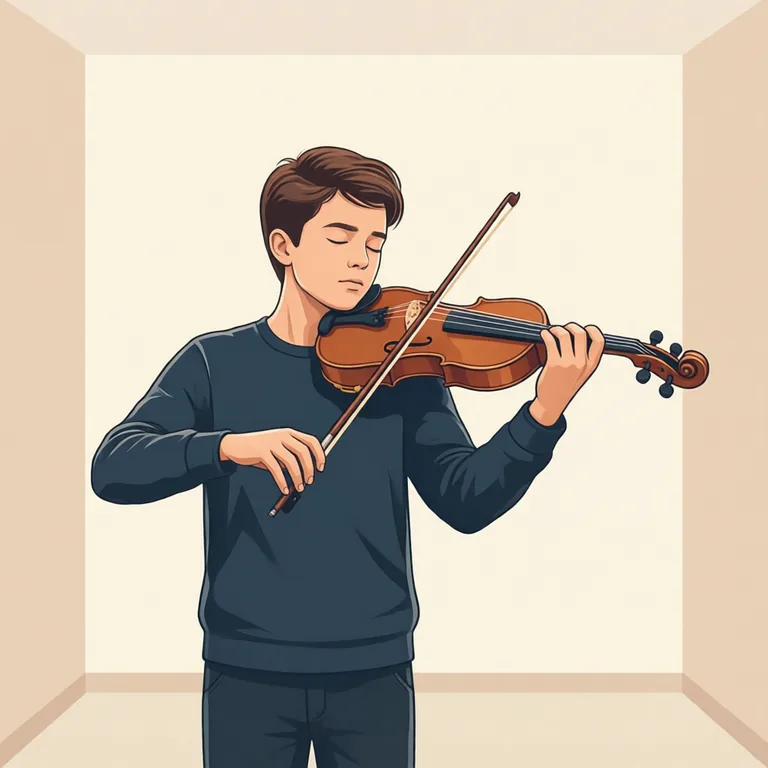
- n. 练习
- n. 惯例
- n. 诊所, 事务所
- v. 练习
- Definition
- n. repeated exercise to gain skill
- n. a usual way of doing something
- n. the business of a doctor, lawyer, or other professional
- v. to do something repeatedly to become skilled at it
- Example
- You should practice speaking English every single day.
- 你应该每天都练习说英语。
Synonyms & Differences 近义词辨析
Compared meaning: repeated practice to improve a skill (noun).
比较义项:练习(名词)。
- practice 本词
Refers to the repeated activity of doing something in order to improve a skill; usually uncountable and describes an ongoing process rather than a single task, often paired with verbs like get, need, or put in.
指为提高某项技能而反复操练的活动,通常作不可数名词,描述的是一个持续的过程而非单一任务,常与 get、need、put in 等词搭配。
Piano playing takes years of daily practice to master.
学钢琴需要多年每天的练习才能精通。
- exercise
Refers to a specific task or set of tasks designed to build a skill, usually countable, and typically found in a textbook, workbook, or classroom setting.
指为培养某项技能而设计出来的具体任务或一组题目,通常作可数名词,常见于教材、练习册或课堂情境中。
Complete the grammar exercises at the end of each chapter.
完成每章末尾的语法练习题。
Practice and exercise both relate to improving a skill through repetition. Practice is the ongoing activity, usually uncountable, as in 'need more practice'. Exercise is one specific task, usually countable, like a textbook exercise. This excludes exercise as physical exercise and practice as a habit.
这两个词在此义项上都可译为“练习”,但侧重点不同:practice 强调为提高技能而反复操练的过程,通常不可数;exercise 强调专门设计出来供练习用的具体任务或题目,通常可数。这里不比较 exercise 的“体育锻炼”义,也不比较 practice 的“惯例、惯常做法”或“(医生、律师)业务”等其他义项。
Compared meaning: repeated practice to master a skill (verb).
比较义项:反复练习以掌握技能(动词)。
- practice 本词
The most general, everyday word for repeating an activity to get better at it; used for almost any skill (language, sport, music) and works for both self-directed and instructor-led practice.
这是表示为提高技能而反复做某事的最通用、最常见的词,几乎可用于任何技能(语言、体育、音乐),既可以是自主练习,也可以是有老师指导的练习。
You should practice speaking English every single day.
你应该每天都练习说英语。
- exercise
Rarer and more formal than practice; it emphasizes actively using or applying a skill or mental faculty (memory, vocabulary, judgment) rather than mechanical repetition.
比practice更少见、更正式,强调主动运用或发挥某种技能或能力(记忆力、词汇量、判断力),而不是机械地反复操作。
You can exercise your listening skills by watching movies without subtitles.
你可以通过看没有字幕的电影来练习你的听力技能。
- drill
Implies structured, often teacher-led or mechanical repetition; it can take a person as its object ('drill students in grammar'), suggesting imposed, rote training rather than self-directed practice.
强调有结构、通常由老师主导或带有机械性质的反复操练;可以以人作宾语(如“drill students in grammar”训练学生语法),带有被动接受、反复操练的意味,而不是自主练习。
The teacher drilled the students on irregular verbs every morning.
老师每天早上反复训练学生掌握不规则动词。
Practice, exercise, and drill mean repeating something to master a skill. Practice is the most common, for any skill, alone or with a teacher. Exercise is rarer and more formal, meaning to use a skill you have. Drill means teacher-led, mechanical repetition.
这三个词都可以表示为掌握某项技能而反复练习或训练,但语气和用法不同:practice最常用、最口语化,exercise更正式、强调运用已有能力,drill则强调由老师主导或带机械性质的反复操练。这里不比较exercise表示“体育锻炼”(如例句中的健身义)或作名词的用法,也不比较drill表示“钻头、钻孔”的工具义,也不比较practice表示“惯例、习惯”或律师、医生“执业”的用法。