poor
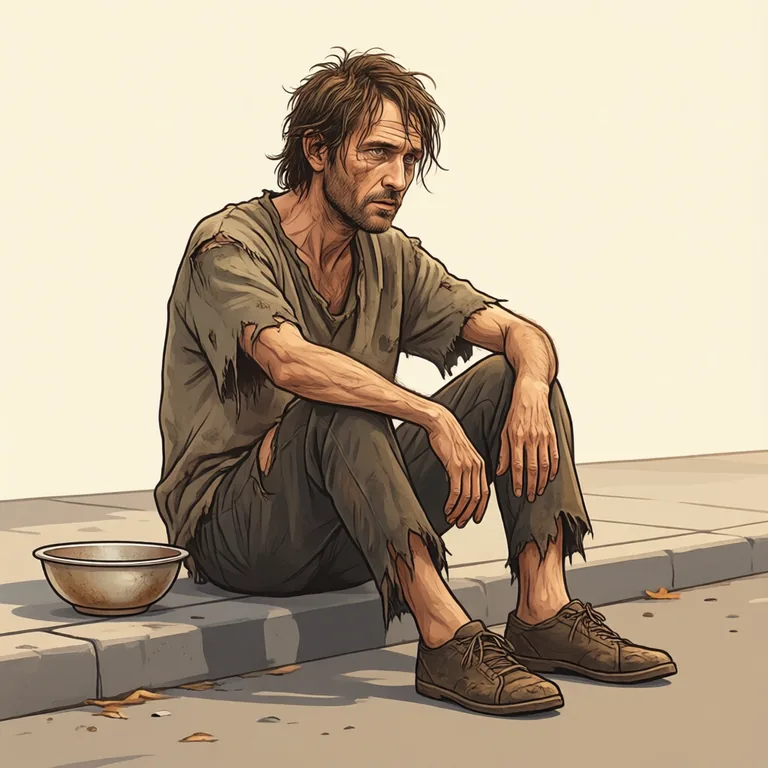
- adj. 贫穷的
- adj. 质量差的
- adj. 可怜的
- Definition
- adj. having very little money
- adj. of low quality
- adj. deserving pity
- Example
- The family was too poor to buy new shoes.
- 这家人穷得买不起新鞋。
Synonyms & Differences 近义词辨析
Compared meaning: having little or no money (adjective).
比较义项:贫穷、没钱(形容词)。
- poor 本词
The most general, neutral word for having little money; used in everyday and formal writing to describe people, families, or countries.
表示没钱这一状态最普通、最中性的词,可以用来形容人、家庭或国家,日常和正式场合都可以使用。
The family was too poor to buy new shoes.
这家人太穷了,买不起新鞋。
- needy
Emphasizes lacking basic necessities such as food, clothing, or shelter severely enough to need help; common in formal or charity contexts, often placed before a noun like needy children.
强调严重缺乏食物、衣物、住所等基本生活必需品,程度到了需要外界帮助的地步;常用于正式或慈善语境,常放在名词前面,如needy children(贫困儿童)。
The charity collects toys every year for needy children.
这家慈善机构每年都为贫困儿童收集玩具。
- broke
An informal, spoken word for having no money at a particular moment, often temporary; used only after a verb like be or go, never directly before a noun.
口语化、非正式的说法,表示某一时刻没有钱,往往是暂时的;只能放在系动词后面,如be broke或go broke,不能直接放在名词前面。
I was completely broke after paying for the plane ticket.
付完机票钱后,我彻底没钱了。
- destitute
A formal, strong word for extreme poverty, often lacking even basic survival needs like shelter or food; used in serious contexts, sometimes as a noun in the destitute.
正式且语气强烈的词,表示极度贫穷,往往连住处、食物等基本生存条件都没有;用于严肃、正式的语境,有时可用the destitute指代这类人群。
After losing his job, he became destitute and needed help from friends.
失业后,他变得穷困潦倒,需要朋友们的帮助。
Poor, needy, broke, and destitute mean having little money, in increasing strength. Poor is the neutral word; needy stresses lacking necessities, often for charity; broke is informal, meaning no money now; destitute is strongest, for extreme poverty. Poor's 'pitiable' sense is not compared.
这几个词都表示“没钱、贫穷”,但程度和语域不同:poor最普通中性,needy强调缺乏基本生活必需品、常用于慈善语境,broke是口语说法、多指暂时没钱,destitute语气最强、指连基本生存条件都没有的极度贫穷。这里不比较poor表示“可怜的”或“(质量)差的”的用法,也不比较broke作为动词break的过去式。
Compared meaning: causing pity, unlucky (adjective).
比较义项:可怜的、不幸的(形容词)。
- poor 本词
Poor is informal and warm, typically placed right before a person's name or reference (poor Tom, poor thing) to express pity or sympathy; it rarely describes events or situations directly.
poor 语气口语化、带有亲切感,通常直接放在人名或称呼前(如 poor Tom、poor thing)以表达怜悯或同情;它很少直接用来形容事件或处境本身。
Poor Tom, he lost his job and his wife left him the same week.
可怜的汤姆,他丢了工作,同一周妻子又离开了他。
- unfortunate
Unfortunate is more formal and neutral; it can describe people but more often describes situations, events, or bad luck, and commonly appears in the objective pattern 'it was unfortunate that...'.
unfortunate 语气更正式、更客观,虽然也可以形容人,但更常用来形容处境、事件或运气不佳,常出现在“真不巧的是……”这类客观陈述句式中。
It was unfortunate that she missed her flight because of the traffic.
真不巧,她因为堵车错过了航班。
Poor and unfortunate both express sympathy for someone's situation. Poor is informal and warm, placed before a name, like 'poor Tom', showing pity. Unfortunate is more formal, often describing events or bad luck rather than people. Poor's other meaning, 'having little money', is not compared.
这两个词都可以用来对某人的遭遇表示同情,但语气和用法不同:poor 语气更口语、更亲切,常直接放在人名或称呼前表达怜爱和同情;unfortunate 更正式、更客观,多用来描述具体的事件或运气,不带强烈感情色彩地陈述“不走运”。这里不比较 poor 表示“贫穷的”(缺钱)的另一个常见义项。