unfortunate
- adj. 不幸的
- adj. 不合适的
- Definition
- adj. unlucky
- adj. not suitable for a situation
- Example
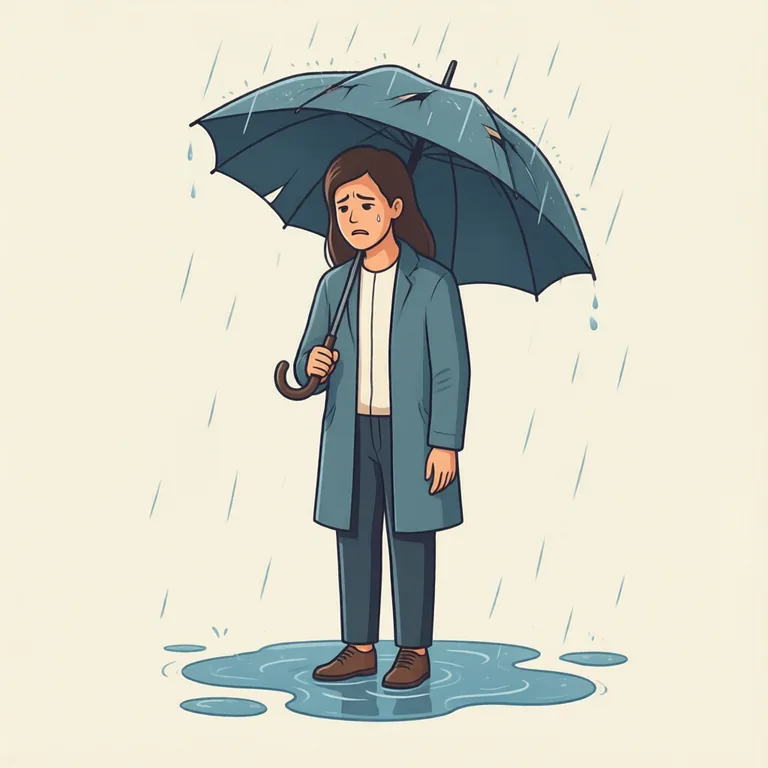
- It was unfortunate that the picnic got canceled due to rain.
- 很不幸,野餐因为下雨取消了。
Synonyms & Differences 近义词辨析
Compared meaning: unlucky, with bad results (adjective).
比较义项:不幸的,因运气不好而遭遇不良后果(形容词)。
- unfortunate 本词
The mildest and most general term; describes an ordinary piece of bad luck or a regrettable situation, without implying serious damage; can modify events, remarks, or people.
语气最温和、用法最宽泛,指普通的倒霉事或令人遗憾的情况,并不暗示严重损害;可以修饰事件、言论或人。
It's unfortunate that he broke his leg right before the marathon.
他在马拉松比赛前摔断了腿,真是不幸。
- disastrous
The strongest of the three; implies serious damage, failure, or financial loss, not mere bad luck; typically describes events, decisions, or results rather than people.
三者中语气最强,暗示严重的损害、失败或经济损失,而不只是运气不好;通常用来形容事件、决定或结果,而非人本身。
The company's expansion into that market proved disastrous, losing millions of dollars.
那家公司进军该市场的举措被证明是灾难性的,损失了数百万美元。
- hapless
Usually describes a person (rarely an event) whose bad luck arouses pity or amusement; more literary or journalistic in tone; not used for large-scale disasters.
通常用来形容人(很少用于事件),指其倒霉遭遇引人同情或觉得好笑;语体更偏文学或新闻用语;不用于形容大规模灾难。
The hapless intern spilled coffee all over the boss's new laptop.
那个倒霉的实习生把咖啡洒满了老板的新笔记本电脑。
Unfortunate, disastrous, and hapless all describe bad-luck situations, but their strength and use differ. Unfortunate is the mildest, a general word for anything regrettable. Disastrous is the strongest, stressing serious loss or damage. Hapless usually describes a person who seems pitiable, not a big event.
这三个词都可以形容运气不好的处境,但程度和用法不同:unfortunate 语气最温和,泛指令人遗憾的事;disastrous 语气最强,强调造成严重损失或损害;hapless 通常用来形容令人同情或觉得可怜的人。