odd
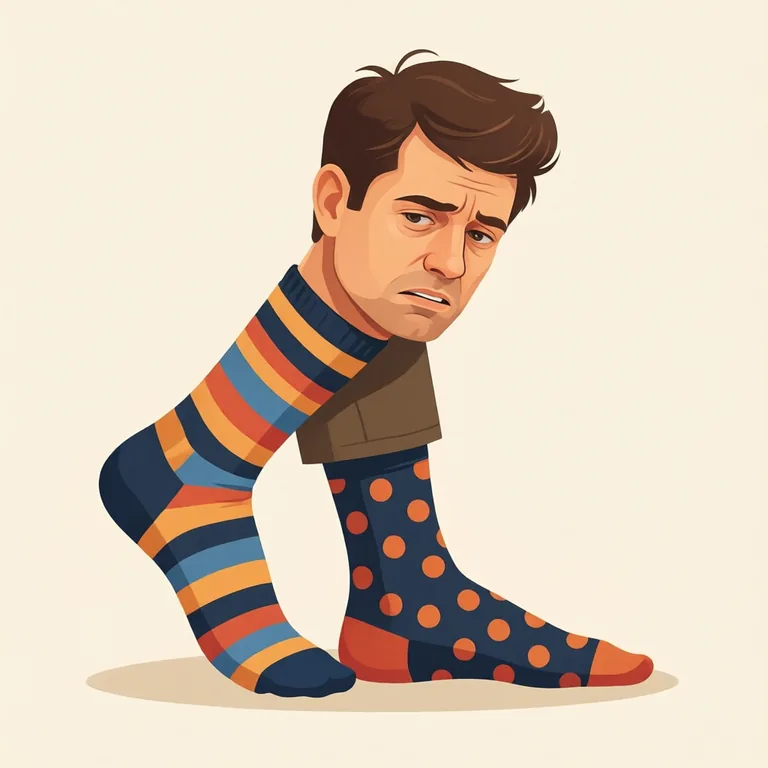
- adj. 奇怪的
- adj. 奇数的
- adj. 剩余的
- Definition
- adj. strange or unusual
- adj. not divisible by two
- adj. left over in small amounts
- Example
- It felt odd walking into the empty house alone.
- 独自走进那栋空房子感觉很奇怪。
Synonyms & Differences 近义词辨析
Compared meaning: unusual or not normal (adjective).
比较义项:奇怪的,不寻常的(形容词)。
- odd 本词
Odd suggests something is mildly unusual or slightly puzzling in a low-key, matter-of-fact way, with no hint of fear; common in everyday, neutral remarks.
odd 表示某事有点不寻常或令人略感疑惑,语气平淡、克制,不带任何恐惧意味;常用于日常、中性的评论中。
It seemed odd that nobody answered the door despite the lights being on.
尽管灯亮着却没人开门,这似乎有点奇怪。
- weird
Weird is informal and often implies something unsettling, eerie, or hard to explain, sometimes hinting at the supernatural; it's the word people reach for in casual speech.
weird 是非正式用语,常暗示某事令人不安、诡异或难以解释,有时带有超自然的意味;是人们在口语中最常用来表达“奇怪”的词。
She said the whole situation felt weird, like someone was watching her.
她说整个情况感觉很诡异,好像有人在监视她。
- strange
Strange is the most general and neutral term for unusual, working in both formal and everyday contexts, without weird's eerie undertone or odd's low-key mildness.
strange 是最通用、最中性的“奇怪”一词,正式和日常场合都适用,既没有 weird 的诡异意味,也没有 odd 那种轻描淡写的语气。
The city looked strange and unfamiliar under the thick fog.
在浓雾笼罩下,这座城市看起来既陌生又奇怪。
Odd, weird, and strange all mean unusual. Odd sounds calm and neutral. Weird is informal, often eerie or hard to explain. Strange is the most general, used formally and casually. Not compared: odd (a number), weird (slang for a person), strange (unfamiliar).
这三个词都可表示“奇怪的、不寻常的”,用法相近但语气不同:odd 语气平淡、偏中性,只是稍显异常;weird 是口语化用词,常带有诡异、令人不安甚至超自然的意味;strange 最通用,正式和口语场合都适用,介于两者之间。这里不比较 odd 表示“奇数的、非成对的”(如 odd number)的义项,也不比较 weird 作名词俚语指“怪人”的用法,以及 strange 表示“陌生的、不熟悉的”(如 a strange city 中侧重“未曾去过”)的相关义项。
Compared meaning: a number not divisible by two (adjective).
比较义项:奇数的(形容词)。
- odd 本词
The standard, everyday word for a number not divisible by two; used constantly in math class, textbooks, and casual speech, as in "odd or even".
表示“不能被二整除的数”最常用、最标准的说法,在数学课、教材和日常口语中都极为常见,如“odd or even”(奇数还是偶数)。
Ask the children to circle every odd number on the worksheet.
请孩子们把练习纸上每一个奇数都圈出来。
- uneven
A rare, old-fashioned synonym for "odd" in this numeric sense; most modern speakers instead read "uneven" as "not smooth" or "not equal," so using it for numbers can confuse listeners.
在“奇数”这个意义上是一个罕见、略显过时的同义词;大多数现代说话者会把uneven理解成“不平坦的”或“不均等的”,所以用它指数字容易让听者困惑。
The old arithmetic book still referred to three and five as "uneven numbers."
那本旧算术课本仍把三和五称为“uneven numbers”(奇数)。
Odd and uneven can both mean a number not divisible by two. Odd is the normal, everyday word for this in modern English. Uneven is a rare, old-fashioned word for it and can confuse people. Not compared: uneven's common meaning, not smooth or not equal.
这两个词在数学语境中都可以指“奇数的”,但地位很不对等:odd是现代英语里表示“奇数”的标准说法;uneven表示“奇数”十分少见、偏旧式,容易与它更常见的“不平坦的、不均匀的”意思混淆——那个意思这里不作比较。
Compared meaning: left over, not yet used or gone (adjective).
比较义项:剩余的(形容词)。
- remaining
Neutral and fairly formal; used before almost any noun—food, people, time, money—to mean the part left after the rest is used, taken, or gone. Broader in application than leftover or odd.
语气中性、较正式;几乎可用于任何名词前(食物、人、时间、金钱等),表示剩下未被使用、拿走或离开的部分;适用范围比 leftover 和 odd 更广。
The remaining guests left the party around midnight.
剩下的客人在午夜左右离开了派对。
- odd 本词
Describes a small, scattered leftover item that has lost its pair or set, like a sock or button; casual and specific, never used for leftover food or for people.
指零散、数量很小、失去配对或成套的剩余物(如袜子、纽扣等);用语随意且用法特定,绝不用于剩饭剩菜或形容人。
After doing the laundry, she was left with a few odd socks that had no matching pair.
洗完衣服后,她剩下几只找不到配对的单只袜子。
- leftover
Informal, everyday word almost always describing food kept after a meal; often used as a noun (the leftovers) too, but rarely applied to people, time, or abstract things.
口语化、日常用词,几乎只用来形容吃剩的食物;也常作名词使用(the leftovers),但很少用来形容人、时间或抽象事物。
She packed the leftover noodles into a container for tomorrow's lunch.
她把剩下的面条装进容器里,留着明天当午饭吃。
Remaining, odd, and leftover all mean what is left. Remaining is neutral and formal, used for food, people, or time. Leftover is informal, almost always about food. Odd means a small item missing its pair, like a sock. Not compared: odd meaning strange.
这三个词都可以表示“剩余的”,但语域和搭配不同:remaining 较为正式、中性,可修饰食物、人、时间等各种剩下的部分;leftover 口语化,几乎专指吃剩的食物;odd 通常指成对物品中缺了一个、数量很少且零散的剩余物(如袜子、纽扣),不用于剩饭剩菜。这里不比较 odd 表示“奇怪的”这一更常用的意思。