leftover
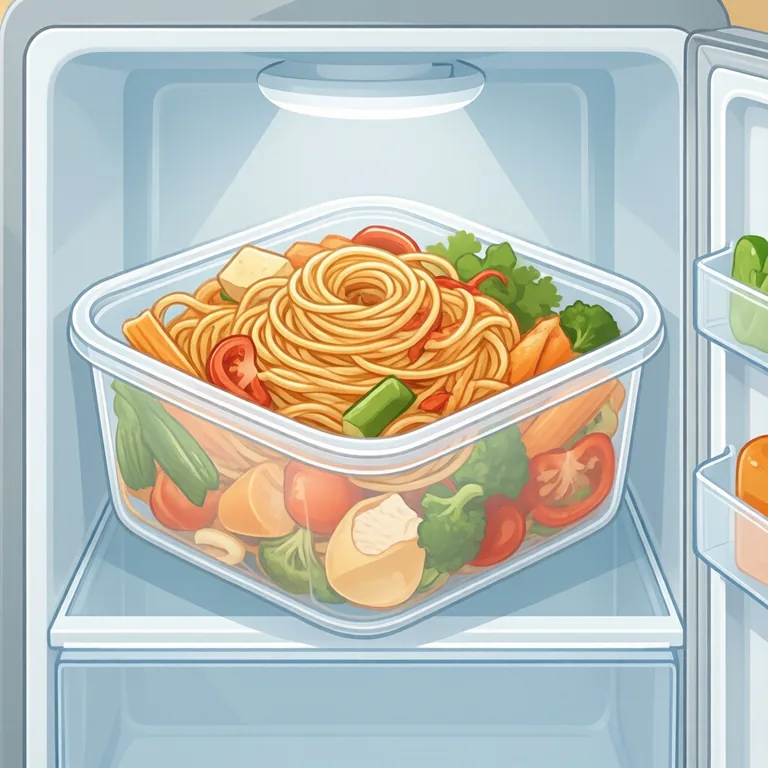
- n. 剩饭
- adj. 剩下的
- Definition
- n. food that remains uneaten after a meal
- adj. remaining after the rest has been used
- Example
- We ate the leftover pizza for lunch the next day.
- 第二天午餐,我们吃了剩下的比萨。
Synonyms & Differences 近义词辨析
Compared meaning: left over, not yet used or gone (adjective).
比较义项:剩余的(形容词)。
- remaining
Neutral and fairly formal; used before almost any noun—food, people, time, money—to mean the part left after the rest is used, taken, or gone. Broader in application than leftover or odd.
语气中性、较正式;几乎可用于任何名词前(食物、人、时间、金钱等),表示剩下未被使用、拿走或离开的部分;适用范围比 leftover 和 odd 更广。
The remaining guests left the party around midnight.
剩下的客人在午夜左右离开了派对。
- odd
Describes a small, scattered leftover item that has lost its pair or set, like a sock or button; casual and specific, never used for leftover food or for people.
指零散、数量很小、失去配对或成套的剩余物(如袜子、纽扣等);用语随意且用法特定,绝不用于剩饭剩菜或形容人。
After doing the laundry, she was left with a few odd socks that had no matching pair.
洗完衣服后,她剩下几只找不到配对的单只袜子。
- leftover 本词
Informal, everyday word almost always describing food kept after a meal; often used as a noun (the leftovers) too, but rarely applied to people, time, or abstract things.
口语化、日常用词,几乎只用来形容吃剩的食物;也常作名词使用(the leftovers),但很少用来形容人、时间或抽象事物。
She packed the leftover noodles into a container for tomorrow's lunch.
她把剩下的面条装进容器里,留着明天当午饭吃。
Remaining, odd, and leftover all mean what is left. Remaining is neutral and formal, used for food, people, or time. Leftover is informal, almost always about food. Odd means a small item missing its pair, like a sock. Not compared: odd meaning strange.
这三个词都可以表示“剩余的”,但语域和搭配不同:remaining 较为正式、中性,可修饰食物、人、时间等各种剩下的部分;leftover 口语化,几乎专指吃剩的食物;odd 通常指成对物品中缺了一个、数量很少且零散的剩余物(如袜子、纽扣),不用于剩饭剩菜。这里不比较 odd 表示“奇怪的”这一更常用的意思。