lash
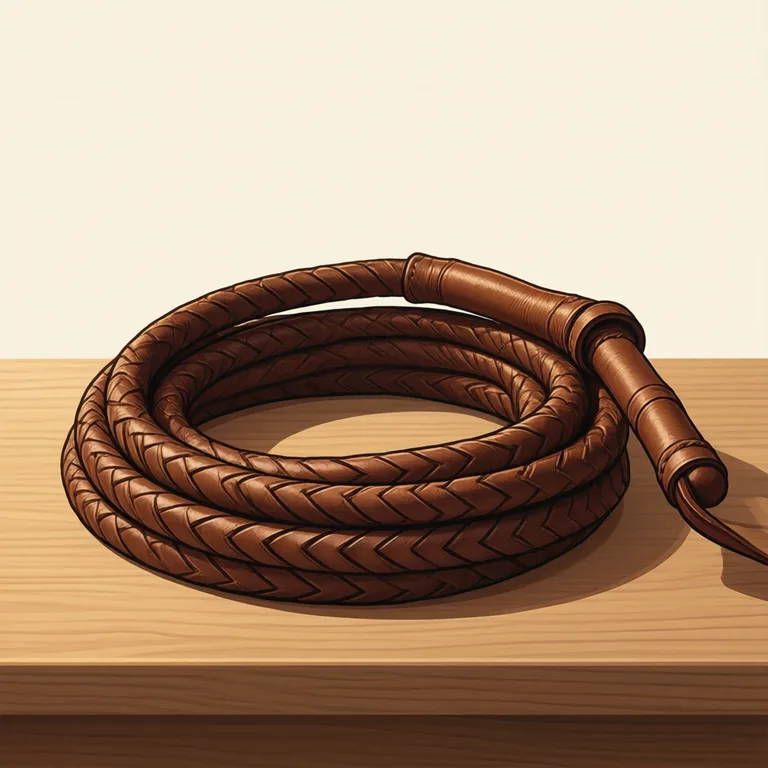
- n. 鞭子
- n. 鞭打
- n. 睫毛
- v. 鞭打, 猛击
- v. 抨击
- v. 剧烈摆动, 抽打
- Definition
- n. a whip
- n. a blow from a whip
- n. an eyelash
- v. to hit hard with a whip or with force
- v. to criticize sharply
- v. to move or swing violently or suddenly
- Example
- Heavy rain began to lash against the windows all night.
- 大雨整夜猛烈地拍打着窗户。
Synonyms & Differences 近义词辨析
Compared meaning: a whip, a tool for hitting (noun).
比较义项:鞭子(名词)。
- whip
The plain, everyday noun for this object, used for riding, driving animals or performing tricks; carries no old-fashioned or literary flavor.
这是该物品最普通、日常的说法,用于骑马、驱赶动物或表演特技等场合,不带古旧或文学色彩。
The jockey used the whip lightly to encourage the horse down the final stretch.
骑师在最后一段赛道上轻轻挥动马鞭,以此策励那匹马。
- lash 本词
An old-fashioned, literary noun for a whip, chiefly used in the fixed phrase "the lash" for punishment by flogging; rare in ordinary present-day speech.
这是表示鞭子的一个较为古旧、文学化的名词,主要出现在the lash(鞭刑)这类固定说法中,表示用鞭子抽打的惩罚,在现代日常口语中很少使用。
The captain sentenced the mutineer to twenty strokes of the lash.
船长判处那名哗变者接受二十下鞭刑。
Both nouns can mean this tool, but lash is old-fashioned and literary, used mainly in the fixed phrase "the lash" for punishment by flogging. Whip is the plain, everyday word, used for riding, driving animals, or performing tricks, with no old-fashioned feeling.
这两个词在“鞭子”这一名词义项上意思相近,但lash在这个意义上偏书面、古旧,主要出现在the lash(指鞭刑)这类固定说法里,日常口语中更常用whip。这里不比较whip作动词表示“抽打”或“搅打(奶油等)”的用法,也不比较lash作动词表示“猛烈击打”的用法(如雨点lash窗户)。
Compared meaning: eyelash, the hair on the eyelid (noun).
比较义项:睫毛(名词)。
- lash 本词
Informal, almost always plural ("lashes"); typical of beauty/cosmetics contexts (mascara, curling, extensions); the bare singular is rarely used.
较为口语化,几乎总是以复数lashes出现;常见于美妆语境(睫毛膏、卷翘、接睫毛等);单数形式很少单独使用。
This new mascara promises to make your lashes look longer and fuller.
这款新睫毛膏号称能让你的睫毛看起来更长更浓密。
- eyelash
The standard, neutral term for a single hair on the eyelid; natural in the singular ("an eyelash") as well as the plural, used in everyday speech without lash's beauty-industry flavor.
指眼睑上一根毛发的标准、中性说法;单数(an eyelash)和复数都很自然,用于日常场合,没有lash那种美妆行业色彩。
A single eyelash fell onto her cheek as she blinked.
她眨眼时,一根睫毛掉在了脸颊上。
Both words mean eyelash. Lash is informal and almost always plural, common in beauty contexts like mascara, curling, or extensions; the singular form is rare. Eyelash is the standard, neutral word, natural in singular and plural, with no beauty-industry feel.
这两个词在这一义项上都指睫毛,但语域和用法不同:lash较为口语化,几乎总以复数lashes出现,常见于美妆语境(睫毛膏、卷翘、接睫毛等),单数形式很少单独使用;eyelash则是日常、无歧义的标准说法,单复数使用都很自然,没有lash那种美妆行业的色彩。这里不比较lash作动词时“抽打、鞭打”或“系紧、捆绑”等其他意思。
Compared meaning: to hit hard with a whip (verb).
比较义项:用鞭子(或类似方式)抽打(动词)。
- whip
The most neutral and general term; used for striking animals to make them move faster, or non-violently for beating cream or eggs until stiff. Less strongly tied to punishment than flog.
语气最中性、最通用;常指抽打动物使其加快速度,或(非暴力地)指搅打奶油、鸡蛋直至打发;与惩罚的关联不如flog强烈。
She whipped the cream vigorously until it turned thick and fluffy.
她用力搅打奶油,直到奶油变得浓稠蓬松。
- lash 本词
Emphasizes sudden force and a violent, whip-like motion; often describes rain, wind or waves striking something hard. Suggests raw intensity rather than deliberate, controlled punishment.
强调突然的力量和像鞭子一样猛烈的动作;常用来描述雨、风或海浪猛烈地拍打某物;强调的是力度,而非有意的、受控的惩罚。
Waves lashed against the rocks throughout the entire night.
整夜,海浪猛烈地拍打着岩石。
- flog
A formal, often literary word meaning to beat a person or animal hard with a whip or stick specifically as punishment; commonly used in the passive, in historical or military contexts.
较为正式、文学化的用词,指专门用鞭子或棍子严厉抽打某人(或动物)作为惩罚;常用被动语态,多见于历史或军事语境。
The prisoner was flogged publicly for trying to escape.
那名囚犯因试图逃跑而被当众鞭打。
All three verbs mean hitting hard with a whip. Whip: the most neutral, used for animals, or (without violence) beating cream or eggs stiff. Lash: sudden, violent force, as with rain, wind, or waves. Flog: formal, meaning to beat someone as punishment, often passive.
这三个词在“抽打”这一意义上意思相近,但语气和使用场合不同:whip最中性、最通用,也可指搅打奶油、鸡蛋等日常动作;lash强调力量和冲击感,常用于风雨、海浪等自然力;flog语气较正式、文学化,专指用鞭子或棍子惩罚某人。这里不比较lash的“抨击,斥责”(lash out)等其他意义,也不比较flog在习语“flog a dead horse”(徒劳无功)中的意义。