jar
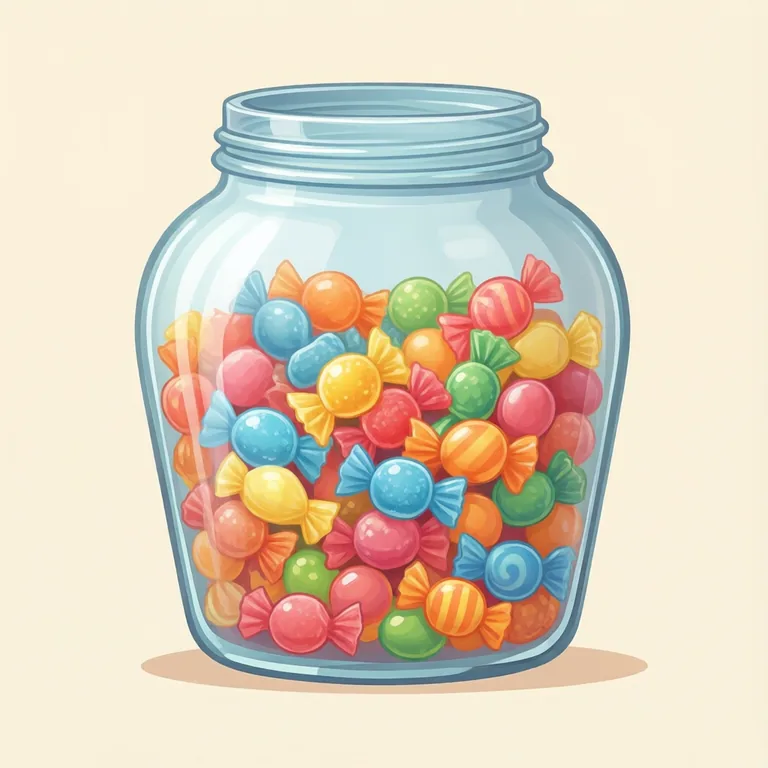
- n. 广口瓶
- n. 震动
- v. 发刺耳声
- v. 冲突
- Definition
- n. a wide-mouthed glass or clay container
- n. a sudden shock
- v. to make a harsh sound
- v. to clash and disagree
- Example
- She stored the cookies in a large glass jar.
- 她把饼干放在一个大玻璃罐里。
Synonyms & Differences 近义词辨析
Compared meaning: a sudden shock or jolt (noun).
比较义项:突如其来的震动/冲击(名词)。
- jar 本词
A literary, somewhat old-fashioned word for an unpleasant shock, especially one that jars the nerves; rarely used in everyday speech and usually appears in the phrase 'give someone a jar'.
这是一个较为文学化、稍显老式的词,指令人不快的震动,尤其是刺激神经的震动;日常口语中很少使用,通常出现在“give someone a jar”这个搭配中。
The rude remark gave her quite a jar and left her flustered for hours.
那句粗鲁的话让她受到不小的震动,使她心烦意乱了好几个小时。
- shock
The most common and neutral word for a sudden strong feeling of surprise or disturbance, physical or emotional; used constantly in everyday speech for almost any startling event.
这是最常见、最中性的词,指突然而强烈的惊讶或不安感,可以是身体上的,也可以是情感上的;在日常口语中广泛用于几乎任何令人吃惊的事件。
Losing his job so suddenly came as a huge shock to the whole family.
他如此突然地失业,让全家人都受到了极大的震动。
- jolt
Emphasizes a sudden, forceful jerk, often literally physical, such as from a vehicle or bump; figuratively describes a sharp shock that jolts someone awake or alert, common with 'wake up' or 'shake up'.
强调突然而有力的猛烈晃动,常指车辆颠簸等实际的物理冲击;比喻用法则指让人猛然清醒或警觉的强烈冲击,常与“wake up”或“shake up”搭配使用。
The plane hit turbulence, giving passengers a violent jolt that spilled their drinks.
飞机遇到强烈颠簸,给乘客带来剧烈的震动,把他们的饮料都晃洒了。
Jar, shock, and jolt can all mean a sudden, unsettling impact. Jar is literary and old-fashioned, rare in everyday speech. Shock is the most common, neutral word for a sudden surprise, physical or emotional. Jolt means a forceful jerk, or a sharp, sudden shock.
这三个词都可以表示突然而令人不安的震动或冲击,但语气和常见语境有所不同:shock最常见、最中性;jolt更强调物理上的颠簸或冲击力;jar较为书面、老式,强调刺激神经的不快感。这里不比较jar表示“罐子”的常见含义,也不比较shock表示“电击”的含义。
Compared meaning: to disagree or not fit well together (verb).
比较义项:冲突、抵触(动词)。
- jar 本词
Mild and rather literary: describes tastes, colours, tones or opinions feeling unpleasantly incongruous together; almost always used with 'with'; weaker than clash.
语气较温和、偏书面语:形容品味、颜色、语气或观点搭配在一起显得不协调、不悦耳;几乎总是与介词“with”连用;语气比clash弱。
The bright orange curtains jarred badly with the soft pastel walls.
亮橙色的窗帘与柔和的粉彩墙壁很不协调。
- collide
Suggests two strongly opposing forces meeting head-on; typically used for interests, ambitions, schedules or viewpoints directly clashing; often paired with 'with'.
强调两种对立的力量正面相遇;常用于利益、抱负、日程或观点直接相撞的场合;常与介词“with”搭配。
Her career ambitions collided with her family's expectations after graduation.
毕业后,她的事业抱负与家人的期望发生了冲突。
- clash
The most common, neutral, everyday choice; used for open disagreement or conflict between people, groups, ideas, or for clashing colours and styles; stronger and more direct than jar.
最常见、最中性的日常用词;用于人与人、团体之间或观点之间公开的分歧或冲突,也可指颜色、风格的不协调;比jar更强烈、更直接。
The two committee members clashed openly over how to spend the budget.
两位委员会成员就预算该如何使用公开发生了冲突。
Jar, collide, and clash all mean things disagree. Jar: mild, for tastes, colours, or opinions that clash. Collide: two forces meeting head-on, like interests or plans. Clash: the most common word, for conflict between people or colours. (Jar's container sense, collide's crash sense: not compared.)
这三个词在“意见或事物互不协调、发生冲突”这一意义上很接近,但语气强弱和使用场合不同:jar最温和、偏书面语,多形容颜色、品味或语气的不协调;collide强调两股力量正面相撞,多用于利益、日程或观点;clash最常见、最直接,可用于人与人之间公开的争执,也可指颜色不搭。这里不比较jar作名词表示“广口瓶”的义项,也不比较collide表示车辆等实际相撞的字面义。