gush
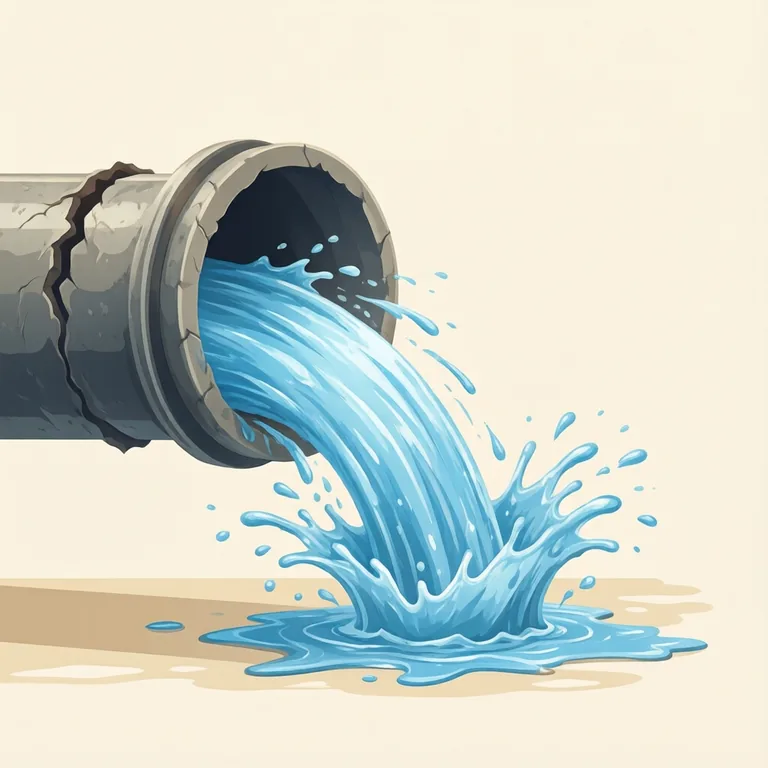
- v. 涌出
- v. 滔滔不绝地说
- n. 涌出
- n. 滔滔不绝的话
- Definition
- v. to flow out suddenly and strongly
- v. to talk with too much enthusiasm
- n. a sudden strong flow of liquid
- n. overly enthusiastic talk
- Example
- Water began to gush from the broken pipe suddenly.
- 水突然从破裂的管道中喷涌而出。
Synonyms & Differences 近义词辨析
Compared meaning: liquid flows or is poured out (verb).
比较义项:液体流出、倒出(动词)。
- pour
Describes someone deliberately tilting a container so liquid flows out in a steady, controlled stream; usually transitive, with an agent and a target.
指有人特意倾斜容器,使液体以稳定、可控的方式流出;通常是及物动词,有施动者和目标。
She poured the coffee carefully into her mother's favorite mug.
她小心翼翼地把咖啡倒进妈妈最喜欢的杯子里。
- gush 本词
Describes liquid escaping suddenly and forcefully, often uncontrolled, as from a break or wound; usually intransitive, with the liquid itself as subject.
指液体突然、猛烈地涌出,往往难以控制,例如从裂口或伤口涌出;通常是不及物动词,主语是液体本身。
Blood gushed from the cut before she could stop it.
血在她来得及止住之前就从伤口涌了出来。
- dribble
Describes liquid escaping slowly in small drops or a thin, weak trickle, often looking messy or insufficient; usually intransitive.
指液体缓慢地一滴一滴流出或成细流,往往显得微弱、凌乱;通常是不及物动词。
Water dribbled from the leaky faucet all night long.
水从漏水的水龙头里滴了一整夜。
Pour, gush, and dribble all mean liquid flowing out, but the manner differs. Pour means someone tips a container so liquid flows steadily and under control. Gush means liquid escapes suddenly and forcefully. Dribble means liquid escapes slowly in small drops or a weak trickle.
这三个词都表示液体流出,但语气和方式不同:pour强调有人稳定、可控地倾倒液体,gush强调液体突然猛烈地涌出,dribble强调液体缓慢微弱地滴落或渗出。这里不比较dribble的另一个常见义项——篮球中的“运球”。
Compared meaning: a sudden strong flow of liquid (noun).
比较义项:液体骤然涌出(名词)。
- flush
Flush denotes a deliberate, often brief release of water, mainly in technical or plumbing contexts (e.g., flushing a system); it lacks gush's sense of violent, uncontrolled force.
flush 指人为、往往短暂的放水动作,多用于管道或技术性场合(例如冲洗某个系统),不像 gush 那样带有猛烈、失控的意味。
Engineers opened a valve to send a flush of water through the pipeline.
工程师打开阀门,把一股水放入管道进行冲洗。
- gush 本词
Gush denotes a strong, sudden, often uncontrolled outward flow, as if bursting under pressure; it's the vivid, everyday word for liquid pouring out forcefully, unlike the more technical flush.
gush 指液体猛烈、突然地大量涌出,仿佛在压力下喷发;它是日常生活中更常用、更生动的说法,不像 flush 那样偏技术性。
A powerful gush of water shot up when the pipe burst underground.
地下管道爆裂时,一股猛烈的水流喷涌而出。
Flush and gush both name a sudden strong flow of liquid, but the setting differs. Flush is used mainly in technical or plumbing contexts, for a deliberate, controlled release of water. Gush is the vivid, everyday word for liquid bursting out forcefully under pressure.
这两个词都可指液体突然涌出,但语气和使用场合不同:flush 常见于技术性或管道情境中,指人为、可控的放水;gush 则强调猛烈、不受控制地喷涌而出,是更常用、更生动的日常用语。此处不比较 flush 表示“脸红”“突然的兴奋或激动”等其他义项,也不比较 gush 表示“喋喋不休地夸赞”等其他义项。