erode
- v. 侵蚀, 腐蚀
- Definition
- v. to gradually destroy or wear away something, especially by water or wind
- Example
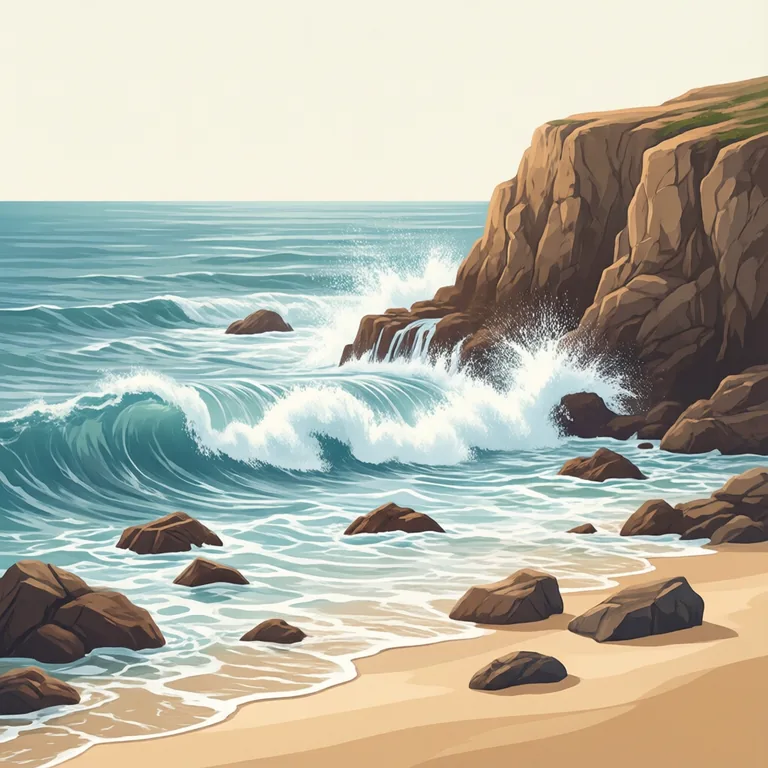
- Strong waves slowly erode the rocks along the coastline.
- 巨浪缓慢地侵蚀着海岸边的岩石。
Synonyms & Differences 近义词辨析
Compared meaning: to slowly wear down or trouble something (verb).
比较义项:v. (某种力量)缓慢地侵蚀、损耗或折磨(某事物/某人)(动词)。
- erode 本词
Describes a gradual, often physical or structural process of wearing something down or destroying it, such as land, materials, or abstract qualities like trust; usually takes a direct object.
erode表示某种力量逐渐损耗、削弱或摧毁某个事物,可以是具体的(如海岸、材料),也可以是抽象的(如信任、信心),通常直接接宾语,语气较客观、书面化,强调事物本身被侵蚀的过程。
The scandal eroded public trust in the mayor's leadership.
这起丑闻逐渐侵蚀了公众对市长领导能力的信任。
- gnaw
Describes a persistent negative feeling, such as worry, doubt, or guilt, troubling someone's mind over time; typically used as 'gnaw at' with a person or emotion as the target, more psychological than erode.
gnaw(常用gnaw at结构)表示一种持续的负面情绪,如担忧、内疚,在心理上折磨某人,比erode更侧重情绪对人的持续困扰,而非事物本身被削弱或摧毁。
A nagging sense of guilt gnawed at him all night.
一种挥之不去的愧疚感整夜折磨着他。
Both words describe a negative force acting slowly over time. Erode describes something being gradually weakened or destroyed, like land or trust, taking a direct object. Gnaw, usually 'gnaw at', describes a feeling like worry troubling someone's mind; its literal 'bite' sense is not compared.
这两个词都可以表示某种消极力量在长时间里缓慢地产生影响,语气都比较书面、文学化。erode侧重某个事物本身被逐渐削弱、摧毁,对象通常是具体或抽象的“东西”(海岸、信任、信心等);gnaw(常用gnaw at结构)则侧重某种情绪(担忧、内疚等)在心理上持续折磨一个人,更偏向人的主观感受。这里不比较gnaw表示“啃、咬”(用牙齿咬东西)的字面义项。