die
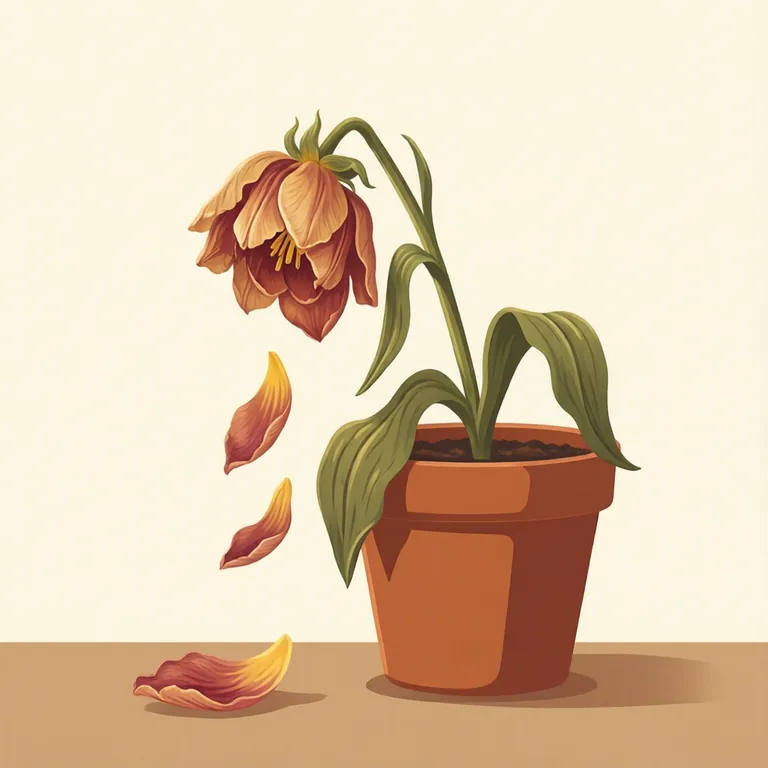
- v. 死
- v. 消逝
- v. 平息
- v. 停止运转, 熄火
- Definition
- v. to stop living
- v. to fade away
- v. to gradually become quiet or weak
- v. to stop operating or functioning
- Example
- Plants die quickly if you forget to water them.
- 如果忘记浇水,植物很快就会枯死。
Synonyms & Differences 近义词辨析
Compared meaning: to lose life, as of a plant (verb).
比较义项:(植物等)枯萎、死去(动词)。
- die 本词
The plain, everyday word for losing life or vitality; neutral register, used casually about any plant, animal, or person, often with adverbs like quickly or slowly.
最普通、日常的说法,指失去生命或活力;语气中性,可随意用于植物、动物或人,常与 quickly、slowly 等副词搭配。
The roses died within a week because nobody watered them.
因为没人浇水,那些玫瑰一周之内就枯死了。
- perish
A more formal, literary word, often implying dying on a large scale or because of harsh conditions; suggests destruction as much as loss of life, common in written or news style.
更正式、书面化的说法,常暗示因恶劣环境而大批死亡,带有“毁灭”的意味多于单纯“失去生命”,多见于书面语或新闻报道。
Thousands of young trees perished in the region's worst drought in decades.
数千棵幼树在该地区数十年来最严重的干旱中枯死了。
Die and perish both mean losing life, like a wilting plant, but they differ. Die is the plain word for plants, animals, or people. Perish is formal, often meaning dying on a large scale or in harsh conditions. Their other meanings are not compared here.
两词都可指植物因缺水缺光而枯死,但 die 是最普通、口语化的说法,可用于几乎任何失去生命或活力的事物;perish 更正式、书面化,常带有“因恶劣环境而大批死亡/毁灭”的意味,语气更强烈。这里不比较 die 表示人或动物“死亡、去世”的常见义,也不比较 perish 表示物品“腐烂、老化损坏”的引申义。
Compared meaning: stop working, especially for machines or devices (verb).
比较义项:(机器、装置等)停止运转、失灵(动词)。
- die 本词
Informal, common for engines, batteries, or electronics that suddenly stop working or run out of power; evokes a sudden, often unexpected stop.
口语化,常用于引擎、电池等设备突然停止运转或电力耗尽,带有“突然、意外停止”的意味。
The old truck's engine died on the highway, and we had to call a tow truck.
那辆旧卡车的引擎在高速公路上熄火了,我们只好叫拖车。
- break
Suggests something stops working because a part is damaged or broken, so it needs repair; neutral in tone and common in everyday speech.
强调因某个零件损坏而无法使用,需要维修,语气中性,日常口语中很常见。
The zipper broke, so my backpack won't close properly anymore.
拉链坏了,所以我的背包现在没法好好合上了。
- fail
More formal and serious, typically used for critical systems, mechanisms, or safety equipment that stop working correctly; suggests higher stakes than die or break.
语气更正式、更严重,常用于关键系统、机械装置或安全设备的失灵,比 die 或 break 涉及的后果更重大。
The brakes failed going downhill, which almost caused a serious accident.
下坡时刹车失灵了,差点酿成严重事故。
Die, break, and fail can all mean a machine stops working. Die is informal, used for engines or batteries. Break means a part is damaged; neutral in tone. Fail is more formal, for serious systems. Not compared: die (death), break (break apart), fail (not succeed).
这三个词在“停止运转、失灵”这一意义上相近,但语域和严重程度不同:die 多用于口语,指引擎、电池等突然“熄火”或耗尽;break 强调因零件损坏而不能用,语气中性偏口语;fail 更正式、多用于关键系统或机制的失灵,后果通常更严重。这里不比较 die 的“死亡”义、break 的“打破、休息”义,也不比较 fail 的“失败,不及格”义。