break
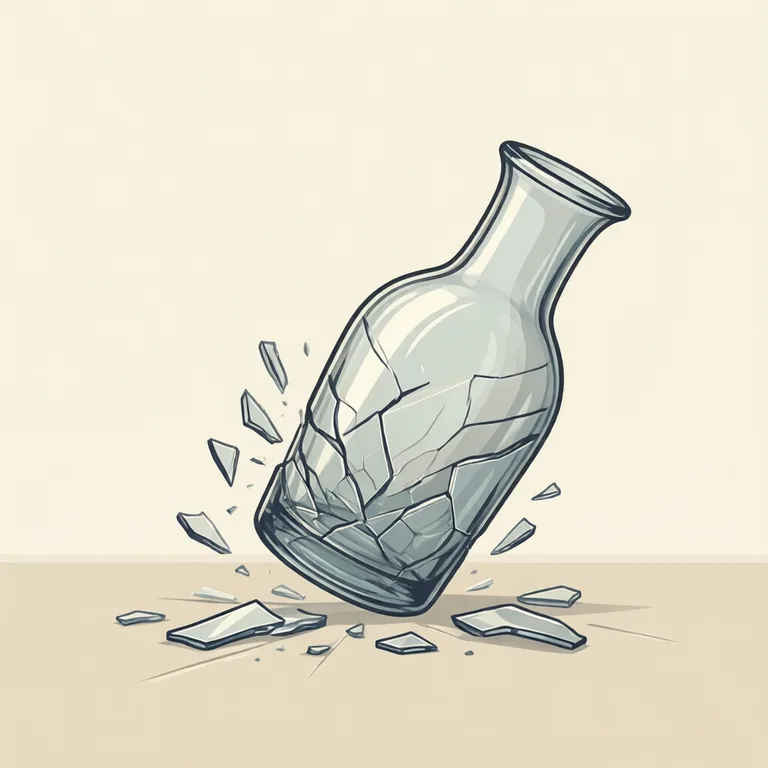
- v. 打破, 弄坏
- v. 违反
- v. 停止运转
- n. 休息
- n. 中断
- n. 裂缝
- Definition
- v. to damage something so it separates into pieces
- v. to fail to follow a rule
- v. to stop working or functioning
- n. a short rest
- n. a pause
- n. a crack in something
- Example
- Let's take a short break before we continue working.
- 我们先休息一会儿,再继续工作吧。
Synonyms & Differences 近义词辨析
Compared meaning: breaking into pieces (verb; smash as noun).
比较义项:东西破碎成碎片(break、shatter、crumble 为动词,smash 在此为名词)。
- break 本词
The most general, neutral word for something coming apart into pieces; it does not specify force, speed, or piece size, and works for almost any object.
最普通、中性的词,指东西裂开、碎成几块;不强调力度、速度或碎片大小,几乎可以用于任何物体。
He accidentally broke his mother's favorite mug while washing the dishes.
他洗碗时不小心打破了妈妈最喜欢的杯子。
- shatter
Describes something, often glass or something brittle, breaking suddenly and completely into many tiny pieces, usually with force or a sharp sound; stronger and more dramatic than break.
指某物(常是玻璃或易碎品)突然、彻底地碎成许多细小的碎片,通常伴有力量或清脆的声响;语气比 break 更强烈、更具戏剧性。
The vase shattered into dozens of pieces the moment it hit the tile floor.
花瓶一碰到瓷砖地板就摔成了几十片碎片。
- smash
Used here as a noun for a single violent, forceful act of breaking something, often with a loud noise; it stresses the force and suddenness of the impact rather than the resulting pieces.
此处作名词,指一次猛烈、用力的打碎动作,常伴有很大的响声;强调撞击的力度和突然性,而不是破碎后的结果。
Neighbors heard a loud smash of glass and called the police right away.
邻居们听到一声很大的玻璃破碎声,立刻报了警。
- crumble
Describes something breaking apart gradually into small, often dry or crumb-like pieces, usually from age, weakness, or decay rather than a sudden impact; far less violent than the others.
指某物逐渐碎裂成细小、常常干燥或像碎屑一样的小块,通常是因为老化、脆弱或腐坏,而不是一次突然的撞击;比其他几个词温和得多。
Old plaster on the ceiling had begun to crumble and fall in small flakes.
天花板上的旧石膏开始碎裂,一小片一小片地掉下来。
Break, shatter, crumble, and smash (as a noun) all describe something breaking into pieces. Break is the general, neutral word. Shatter means breaking suddenly into many tiny pieces. Smash is a noun for a violent breaking act. Crumble means breaking slowly, from age or weakness.
这几个词都表示「东西碎成一块块」,但破坏方式、力度和词性不同:smash 在此为名词,指一次猛烈打碎的动作而非更常见的动词用法,break 最为中性平常,shatter 强调突然彻底碎成许多小片,crumble 则是缓慢碎裂、多因老化或脆弱。这里不比较 break 表示「休息」的义项,也不比较 crumble 表示(制度、关系等)逐渐瓦解的比喻义。
Compared meaning: to break a rule, law, or agreement (verb).
比较义项:违反(规则、法律或协议)(动词)。
- break 本词
The most general and informal of the three; used for almost any rule, promise or law, often a single lapse; common in everyday speech, with no legal or official tone.
这是三者中最通用、最口语化的词,几乎可用于任何规则、承诺或法律,通常指一次性的违反行为,常见于日常口语,不带法律或正式色彩。
He broke his promise to call me back that evening.
他违背了当晚给我回电话的承诺。
- violate
More formal than break; typically collocates with laws, rights, regulations or treaties; implies a clear, serious infringement, common in legal, official or journalistic writing.
比 break 更正式,常与法律、权利、法规或条约搭配,暗示明确而严重的侵犯行为,多见于法律、官方或新闻语境。
The factory has repeatedly violated environmental protection laws.
这家工厂多次违反环境保护法。
- breach
The most formal and legal of the three; used almost exclusively with agreements, contracts, duties or protocols; often used as a noun (a breach), implying a formal violation.
三者中最正式、最具法律色彩的词,几乎只用于协议、合同、义务或规程,常作名词使用(a breach),暗示正式的违反行为。
The bank breached its duty of confidentiality by leaking client data.
这家银行泄露客户数据,违反了保密义务。
Break, violate, and breach all mean to fail to follow a rule, law, or agreement. Break is the most general and informal, used for almost any rule. Violate is more formal, often used with laws or rights. Breach is the most formal, used for agreements.
这三个词在“违反规则、法律或协议”这一意义上相近,但语体和搭配不同:break 最口语、最笼统,violate 更正式,常用于法律、权利或法规,breach 最正式,几近专用于“违反协议或合同”,且常作名词使用。这里不比较 break 的“打破、休息、故障”等其他意义,也不比较 breach 的“突破、缺口”等意义。
Compared meaning: a short pause from work or activity (noun).
比较义项:中断,工作或活动中的短暂休息(名词)。
- break 本词
A general, everyday word for a pause in any activity; used informally in work, travel, or conversation, often with 'take a break'.
泛指任何活动中的停顿,是日常口语用词,可用于工作、旅行或聊天,常与“take a break”搭配。
She stepped outside for a quick break between two long meetings.
她在两场冗长的会议之间出去外面短暂休息了一下。
- recess
A more formal, scheduled break, especially from school, court, or parliament; children's playtime break is called recess, not break.
更正式、有安排的休息时间,尤指学校、法庭或议会的休息;儿童在学校的游戏休息时间叫 recess,而不是 break。
The children played on the swings during morning recess.
孩子们在上午的课间休息时间在秋千上玩耍。
Break and recess both mean a short pause from work or activity. Recess is more formal, often a scheduled pause from school, court, or parliament. Break is a general, everyday word, used informally for almost any pause, as in 'take a break'.
这两个词都指工作或活动中的短暂停顿,但 recess 更正式,常特指学校、法庭或议会安排好的休息时间;break 是更通用的口语词,几乎可用于任何场合。这里不比较 break 作动词“打破、破坏”等其他义项。
Compared meaning: a crack or break in an object (noun).
比较义项:裂缝、断裂处(名词)。
- break 本词
A general, everyday word for any crack, split, or broken place in an object; used loosely and informally, not limited to technical contexts.
一个通用的日常词汇,可以指物体上任何裂缝、裂口或损坏之处;用法宽泛、口语化,不限于专业场合。
There's a break in the fence where the wood has rotted through.
栅栏上有一处裂缝,那里的木头已经腐烂了。
- fracture
A more formal, technical word for a break or crack, especially in bone or hard material; common in medical and scientific contexts, and used in fixed phrases like "hairline fracture."
一个更正式、专业的词,指断裂或裂缝,尤其用于骨头或坚硬材料;常见于医学和科学语境,也常用于“hairline fracture(发丝状骨折)”这类固定搭配。
An X-ray revealed a hairline fracture in the bone.
X光显示骨头上有一处发丝状骨折。
Break and fracture both mean a crack or split in an object. Break is the general, everyday word for any crack, used loosely and informally. Fracture is more formal and technical, especially for a break in bone or hard material, common in medical language.
这两个词都可以指物体上出现的裂缝或断裂处,但 break 是通用词,日常口语中可以指几乎任何东西上的裂口或损坏;fracture 更正式、专业,常见于骨折或材料断裂等技术性语境。这里不比较 break 的“休息”“中断”等其他义项。
Compared meaning: stop working, especially for machines or devices (verb).
比较义项:(机器、装置等)停止运转、失灵(动词)。
- die
Informal, common for engines, batteries, or electronics that suddenly stop working or run out of power; evokes a sudden, often unexpected stop.
口语化,常用于引擎、电池等设备突然停止运转或电力耗尽,带有“突然、意外停止”的意味。
The old truck's engine died on the highway, and we had to call a tow truck.
那辆旧卡车的引擎在高速公路上熄火了,我们只好叫拖车。
- break 本词
Suggests something stops working because a part is damaged or broken, so it needs repair; neutral in tone and common in everyday speech.
强调因某个零件损坏而无法使用,需要维修,语气中性,日常口语中很常见。
The zipper broke, so my backpack won't close properly anymore.
拉链坏了,所以我的背包现在没法好好合上了。
- fail
More formal and serious, typically used for critical systems, mechanisms, or safety equipment that stop working correctly; suggests higher stakes than die or break.
语气更正式、更严重,常用于关键系统、机械装置或安全设备的失灵,比 die 或 break 涉及的后果更重大。
The brakes failed going downhill, which almost caused a serious accident.
下坡时刹车失灵了,差点酿成严重事故。
Die, break, and fail can all mean a machine stops working. Die is informal, used for engines or batteries. Break means a part is damaged; neutral in tone. Fail is more formal, for serious systems. Not compared: die (death), break (break apart), fail (not succeed).
这三个词在“停止运转、失灵”这一意义上相近,但语域和严重程度不同:die 多用于口语,指引擎、电池等突然“熄火”或耗尽;break 强调因零件损坏而不能用,语气中性偏口语;fail 更正式、多用于关键系统或机制的失灵,后果通常更严重。这里不比较 die 的“死亡”义、break 的“打破、休息”义,也不比较 fail 的“失败,不及格”义。