dark
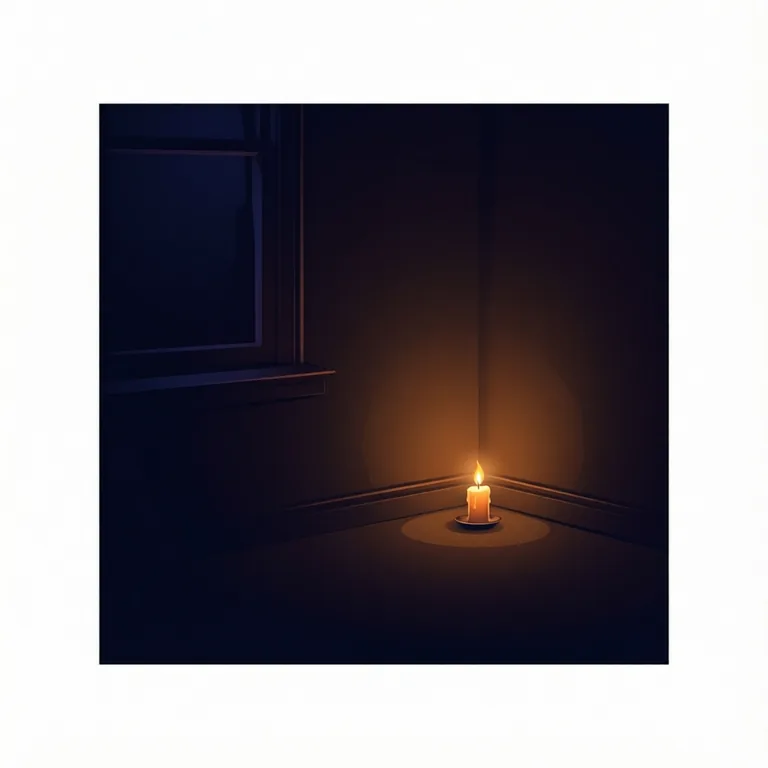
- adj. 黑暗的
- adj. 深色的
- adj. 晦涩的, 难懂的
- n. 黑暗, 夜
- Definition
- adj. having little or no light
- adj. deep in color
- adj. difficult to understand or explain
- n. the absence of light, especially at night
- Example
- The sky got dark just before the storm started.
- 暴风雨来临前,天色一下子暗了下来。
Synonyms & Differences 近义词辨析
Compared meaning: having little or no light (adjective).
比较义项:形容光线昏暗、缺乏亮度(形容词)。
- dark 本词
The most general and strongest word for lack of light; can describe total darkness in a place, unlike words tied to a specific light level or time of day.
语气最强、最通用的“黑暗”一词,可以指完全没有光线的状态,不像其他词那样限定具体的光线程度或时间段。
The basement was completely dark; I couldn't see my hand.
地下室完全漆黑一片,我连自己的手都看不见。
- twilight
Refers specifically to the dim light just before sunrise or after sunset, tied to that time of day rather than describing darkness in general.
特指日出前或日落后那段微弱光线的时段,与具体的时间点相关,而不是泛指昏暗。
We watched the sky turn a soft orange at twilight, just after sunset.
日落后不久的暮光时分,我们看着天空变成柔和的橙色。
- dim
Describes a weak or faint light, often from a specific source, not the total absence of light; commonly used for lamps, rooms or views.
形容微弱、不明亮的光线(常指某个光源),而不是完全没有光线;常用来形容灯光、房间或视野。
The dim streetlight barely lit the narrow alley behind our house.
昏暗的路灯几乎照不亮我们家后面那条狭窄的小巷。
- gloomy
Dark in a way that also suggests a sad or depressing mood, often used for weather, skies or atmospheres rather than just light level.
形容昏暗中带有令人沮丧、忧郁的情绪色彩,常用来形容天气、天空或氛围,而不仅仅是光线程度。
The gloomy grey sky made the whole afternoon feel sad and heavy.
阴沉灰暗的天空让整个下午都显得压抑而沉闷。
Dark, twilight, dim, and gloomy all describe weak or missing light. Dark is the strongest and general. Twilight is the faint light before sunrise or after sunset. Dim is a weak light from a source, like a lamp. Gloomy adds a sad feeling to darkness.
这几个词都能形容光线不足或昏暗的状态,但侧重点、程度和使用场合各不相同:dark 语气最强最通用,twilight 专指黎明或黄昏的微光时段,dim 强调光源微弱而非完全无光,gloomy 则常带有令人沮丧的情绪色彩。这里不比较 dark 表示“肤色深”或“秘密的”之义,也不比较 gloomy 表示“悲观、沮丧”心情的比喻义,以及 twilight 表示“(事业等的)衰落期”的比喻义。
Compared meaning: night or darkness after sunset (noun).
比较义项:夜晚/黑暗(尤指天黑以后的时间)(名词)。
- night
A countable time period, the whole span from sunset to sunrise; used with 'at/during/last night' and to describe the sky, weather, or events happening then.
指从日落到日出的一整段可数的时间,常与 at/during/last night 连用,也用来描述那段时间里的天空、天气或发生的事。
I couldn't sleep at all last night because of the noise outside.
昨晚外面太吵,我根本没睡着。
- dark 本词
An uncountable noun for the state of darkness itself, not a time span; used with 'before/after dark' and 'in the dark', focusing on lack of light rather than the clock.
作名词时指“黑暗”这一状态本身,是不可数名词,而非一段时间;常与 before dark、after dark、in the dark 连用,强调光线的缺失,而不是具体的时间点。
Please come home before dark, it's not safe outside after that.
请在天黑之前回家,那之后外面不安全。
Night and dark relate to the time after sunset. Night is a countable time period, as in 'at night' or 'last night'. Dark is uncountable, the state of darkness, not a time span, as in 'before dark'. Dark as an adjective is not compared here.
night 指从日落到日出的这段时间,是一个可数、有边界的时间段,常用于 at night、last night、during the night 等表达;dark 作名词时指“黑暗”这一状态,不可数,强调光线的缺失,常见于 before dark、after dark、in the dark 等短语,不特指某一整夜的时间跨度。这里不比较 dark 作形容词时“黑暗的、深色的、秘密的”等其他意思。
Compared meaning: hard to understand (adjective).
比较义项:难以理解,晦涩难懂(形容词)。
- dark 本词
Literary and old-fashioned; used for sayings, hints, or meanings that are deliberately veiled or mysterious, in a poetic or archaic register.
该词具有文学色彩,略显古旧;用于说法、暗示或含义被有意隐藏、显得神秘的场合,语气偏诗意或古雅。
The elder's words were dark and full of riddles that took years to understand.
长者的话语很 dark,充满谜语,让人要花好几年才能明白。
- obscure
Neutral, common register; emphasizes that something is unclear or not well explained, often due to lack of detail or fame, rather than deliberate difficulty.
语气中性,日常常用;强调某事含糊不清或说明不充分,通常是因为细节不足或不为人知,而不是故意造成的理解困难。
His explanation of the tax rule was so obscure that nobody in the room understood it.
他对税务规定的解释太 obscure 了,房间里没有人听懂。
- opaque
Often used critically about language, writing, policies, or systems that seem deliberately unclear or hard to see through, sometimes implying hidden intent.
常用于批评性语境,指语言、文字、政策或制度显得故意含糊不清、难以看透,有时暗示背后另有隐情。
The company's pricing policy is so opaque that customers never know what they are paying for.
这家公司的定价政策太 opaque 了,顾客根本不知道自己在为什么付钱。
- incomprehensible
Strongest of the four; means totally impossible to understand, often used for speech, writing, or explanations that make absolutely no sense.
语气最强,表示完全无法理解,常用于让人完全摸不着头脑的言语、文字或解释。
His handwriting was so messy that it looked completely incomprehensible to his teacher.
他的字迹太乱了,在老师看来完全 incomprehensible。
Dark, obscure, opaque, and incomprehensible all mean hard to understand. Dark is literary, for deliberately mysterious meanings. Obscure is neutral, unclear or poorly explained. Opaque describes deliberately unclear language or systems. Incomprehensible is strongest, impossible to understand. Their other, literal senses are not compared here.
这四个词都可以表示“难以理解”,但语气和用法不同:dark 偏文学化、语气古雅,常指含义故意隐晦或神秘;obscure 语气中性,强调含糊不清或说明不充分;opaque 常用于批评语言、政策或制度显得故意让人看不透;incomprehensible 语气最强,指完全无法理解。这里不比较 dark 的“黑暗的”本义,也不比较 obscure 的“不出名的、偏远的”义项,以及 opaque 的“不透明的”本义。