burst
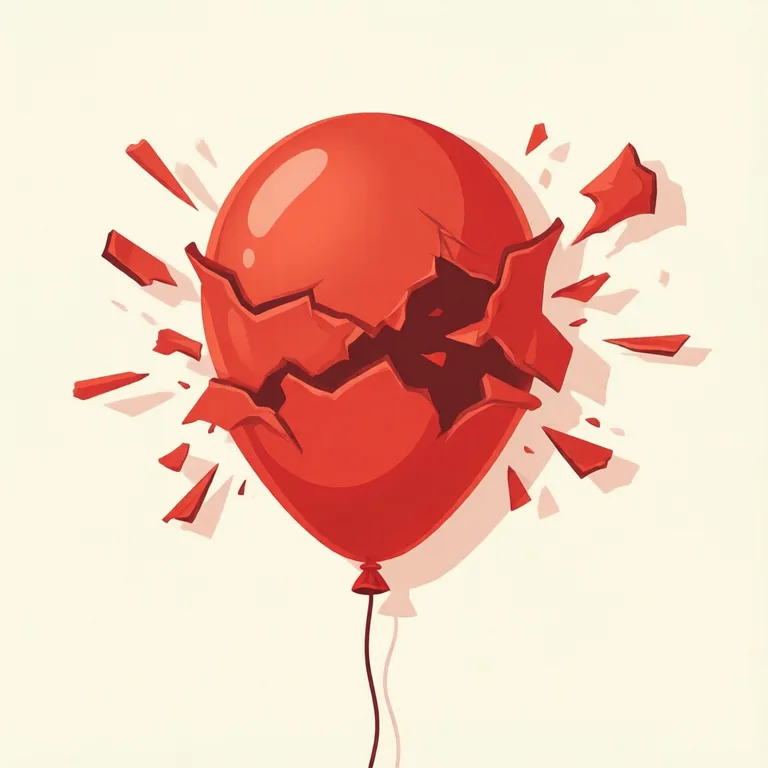
- v. 爆裂
- v. 突然充满
- n. 爆裂
- n. 突发
- Definition
- v. to break open suddenly
- v. to become suddenly full of something
- n. a sudden breaking open
- n. a sudden outburst of activity
- Example
- The balloon suddenly burst when the child squeezed it too hard.
- 孩子把气球捏得太用力,气球突然爆了。
Synonyms & Differences 近义词辨析
Compared meaning: to break open from force (verb).
比较义项:物体因外力而破裂、裂开或碎裂(动词)。
- break
The general, neutral word for something separating into pieces from damage or force; it does not specify how many pieces result or whether it happens suddenly, and it applies to almost any solid object.
该词是最普通、中性的说法,指物体因损坏或外力而分裂,不强调碎片数量,也不强调是否突然发生,几乎可用于任何固体物品。
The old wooden chair broke when he sat down on it.
他一坐到那把旧木椅上,椅子就坏了。
- shatter
Emphasizes breaking suddenly and violently into many small pieces or fragments; typically used for glass, screens, or other brittle materials, and sounds much more dramatic than break.
强调突然而剧烈地碎成许多细小的碎片,常用于玻璃、屏幕等易碎物品,语气比break强烈、更具画面感。
The phone screen shattered into countless tiny pieces after the fall.
手机摔了一下,屏幕碎成了无数细小的碎片。
- burst 本词
Describes something breaking open suddenly because pressure builds up inside it, such as air or liquid; typically used for balloons, bubbles, tires, or pipes, rarely for solid brittle objects.
指物体因内部压力(如空气或液体)积聚而突然裂开,通常用于气球、气泡、轮胎或管道,很少用于玻璃等易碎的固体物品。
The balloon burst with a loud pop the moment the needle touched it.
针一碰到气球,气球砰的一声就炸开了。
Break, shatter, and burst all mean something breaking open from force. Break is the general, neutral word, not specifying how many pieces. Shatter means breaking suddenly and violently into many small pieces, often glass. Burst means breaking open because pressure builds inside, like a balloon.
这三个词都表示物体破损分裂,但侧重点不同:break是最普通、中性的说法,不强调碎片数量或过程;shatter强调突然而剧烈地碎成许多小片,语气更强;burst强调因内部压力(如空气、液体)而突然裂开,常用于气球、管道等。这里不比较break表示“休息”的意思(如take a break)。
Compared meaning: a sudden outbreak of activity or emotion (noun).
比较义项:突然的爆发(名词,多指活动、精力或情绪等的骤然爆发)。
- burst 本词
Burst is a neutral, general word for a sudden, short outbreak, often of energy, activity, or speed, and rarely implies negative emotion.
burst 是较为中性、通用的词,指任何突然而短暂的爆发,常与精力、活动或速度等搭配,很少带有负面情绪的含义。
The runner found a burst of energy in the final lap and sprinted ahead.
这位跑者在最后一圈突然爆发出一股精力,冲到了前面。
- outburst
Outburst almost always refers to a sudden, intense release of emotion, especially anger, and often carries a negative or dramatic tone.
outburst 几乎总是指情绪(尤其是愤怒)的突然、强烈爆发,往往带有负面或戏剧化的语气。
He apologized to the team for his angry outburst during the meeting.
他为自己在会议上愤怒的爆发向团队道歉。
Burst and outburst both mean a sudden outbreak, of activity or emotion. Burst is neutral and general, often used with energy, activity, or speed. Outburst almost always means a sudden, strong release of emotion, especially anger, with a negative or dramatic tone.
burst 和 outburst 都表示某种事物突然爆发,但 burst 语气较中性、通用,多与「活动、精力、速度」等搭配,强调突然性和短暂性;outburst 则几乎总是指强烈情绪(尤其是愤怒)的突然爆发,语气更强烈、更偏负面或戏剧化。此处不比较 burst 作动词表示「(气球等)突然爆裂、破裂」的用法。