worsen
- v. 恶化
- v. 使恶化
- Definition
- v. to become worse
- v. to make something worse
- Example
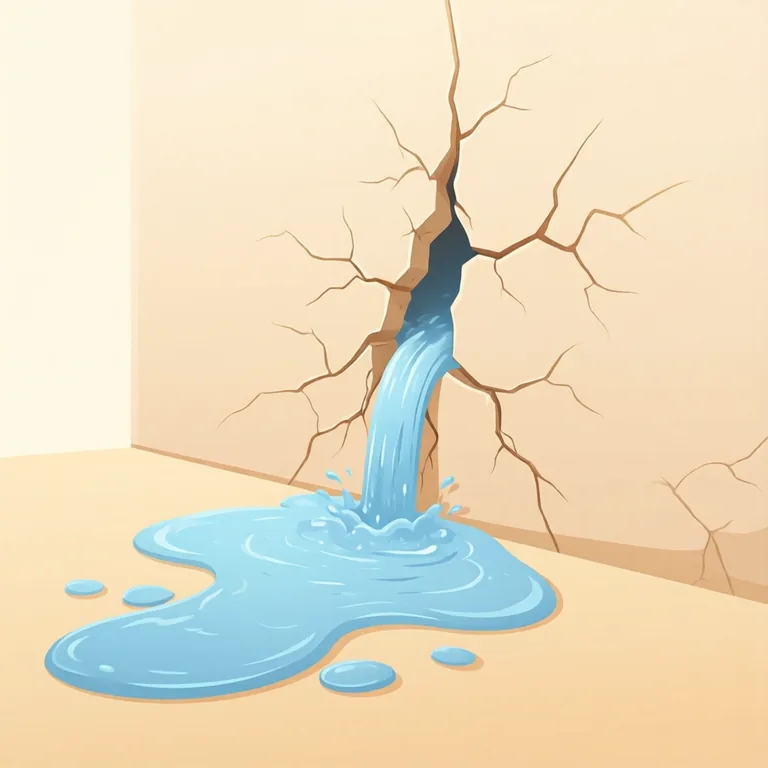
- Ignoring the leak will only worsen the damage over time.
- 对漏水置之不理只会让损坏随着时间推移越来越严重。
Synonyms & Differences 近义词辨析
Compared meaning: to become worse (verb).
比较义项:变差、下降(动词)。
- decline
Decline describes a gradual, often measurable decrease in amount, quality, or value; it is typically used with numbers, sales, population, or health rather than abstract problems.
decline指数量、质量或价值的逐渐下降,通常是可衡量的,常用于数字、销售额、人口或健康状况,而不是抽象的问题。
The town's population has declined steadily since the factory closed.
自从那家工厂关闭以来,这座小镇的人口一直在稳步下降。
- worsen 本词
Worsen means a situation, condition, or problem is becoming more severe or serious, often used with illnesses, weather, or problems, and can happen quickly rather than gradually.
worsen指某种情况、状况或问题变得更严重、更糟糕,常用于疾病、天气或问题,而且可能来得很快,不一定是逐渐发生的。
The weather forecast says the storm will worsen by evening.
天气预报说,这场风暴到傍晚会恶化。
Decline and worsen both mean to become worse. Decline suggests a gradual, measurable decrease, often used with sales, numbers, or health. Worsen means something is becoming more serious, often with illness or weather, and can happen fast. It does not cover decline meaning to refuse.
decline和worsen在“变差、下降”这个意义上很接近,但decline更强调数量、质量或价值的逐渐下降,常用于销售额、人口等可衡量的对象;worsen更强调情况或问题变得更严重,常用于疾病、天气等,语气上更强烈,也可能来得很突然。这里不比较decline表示“婉拒,谢绝”的意思。
Compared meaning: to make something worse (verb).
比较义项:使情况变得更糟(动词)。
- worsen 本词
The most neutral, all-purpose word for 'become or make worse'; can be used with or without an object and fits almost any topic — weather, health, economy, situations.
这是最普通、用途最广的词,表示“变得更糟”或“使更糟”;可带宾语也可不带宾语,几乎适用于任何话题——天气、健康、经济、局势等。
Heavy rain this week will worsen the flooding in low areas.
本周的大雨将使低洼地区的洪水更加严重。
- exacerbate
More formal and often used in written or academic contexts; always takes an object and typically describes worsening an already negative abstract situation, tension, or symptom.
语气更正式,多见于书面或学术语境;总是带宾语,通常用于使本已负面的抽象局势、紧张关系或症状变得更严重。
Cutting the budget further would exacerbate an already tense negotiation.
进一步削减预算将使本已紧张的谈判更加恶化。
- aggravate
Commonly used in everyday speech specifically for physical conditions such as injuries, pain, or allergies; always transitive, with a strong collocation to bodily ailments.
在日常口语中常特指身体方面的状况,如伤痛、疼痛或过敏;总是带宾语,和身体不适类词语的搭配尤其常见。
Running too soon can aggravate an old knee injury again.
过早跑步会再次使旧的膝伤加重。
These three words all mean to make worse, but differ. Worsen is the most neutral, everyday word, used with or without an object. Exacerbate is formal, always takes an object, and describes worsening a negative situation or symptom. Aggravate is common for injuries or pain.
这三个词在“使更糟”这个意义上很接近,容易混淆,但语气和用法有差异:worsen 最普通、口语书面语都常用,也可以不带宾语;exacerbate 更正式,多用于抽象的紧张局势、症状等书面语境;aggravate 常与身体伤痛、旧疾等搭配,是日常口语里的常见说法。这里不比较 aggravate 表示“惹恼、激怒某人”的意思。