wave
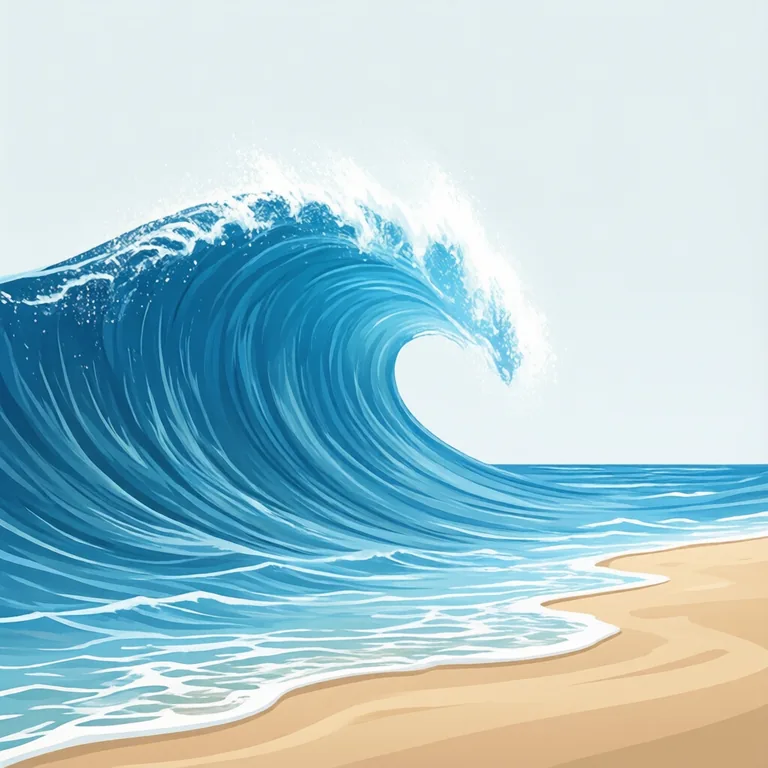
- n. 波浪
- n. 挥手
- v. 挥手
- v. 摆动
- Definition
- n. a moving ridge of water
- n. a movement of the hand as a greeting
- v. to move your hand to greet someone
- v. to move gently up and down
- Example
- The children waved goodbye as the boat left the harbor.
- 船离开港口时,孩子们挥手告别。
Synonyms & Differences 近义词辨析
Compared meaning: to move your hand to signal someone (verb).
比较义项:挥动手臂或手向人示意(动词)。
- wave 本词
Wave is a friendly hand gesture for greeting or saying goodbye; it does not ask the other person to move, and often pairs with words like 'goodbye', 'hello', or 'at'.
wave(挥手)是用来打招呼或道别的友好手势,并不要求对方靠近,常与“goodbye”“hello”或“at”搭配使用。
She waved goodbye from the doorway and closed the door behind her.
她在门口挥手道别,然后关上了门。
- beckon
Beckon means to gesture, often with a curled finger or a hand motion, instructing someone to come closer; it always implies an invitation to approach, unlike a simple greeting.
beckon(招手示意)指用弯曲手指或手部动作,示意让对方靠近,总带有邀请对方过来的意思,不同于单纯的打招呼。
The guard beckoned him forward with a curl of his finger.
警卫弯了弯手指,示意他走近些。
Wave and beckon are hand gestures. Wave is casual, for greeting or saying goodbye, without asking the person to move. Beckon is more formal, often a curled finger, asking someone to come closer. Not compared: beckon as 'seem attractive', or wave as 'ocean wave'.
这两个词都指用手做出的示意动作,但语气和场合不同:wave较随意,多用于打招呼、道别或引起注意;beckon更正式,强调用手势“召唤”对方靠近,意图更明确。这里不比较beckon作“显得诱人、吸引人”的引申义(如原例句中海滩“召唤”着人们),也不比较wave表示“波浪”或“挥动旗帜、物品”等其他用法。
Compared meaning: to move up and down or side to side (verb).
比较义项:摆动(动词)。
- wave 本词
A smooth, gentle up-and-down or side-to-side motion, often a deliberate hand gesture used to greet, signal, or say goodbye to someone.
指轻柔、平缓的上下或左右摆动,常指用手做出的有意动作,用来打招呼、示意或告别。
She waved happily from the platform as the train pulled away.
她在站台上开心地挥手,目送火车驶离。
- flap
A quick, often noisy up-and-down or back-and-forth movement, typically of wings, flags, sails, or loose fabric caught by wind or motion.
指急促、常伴有声响的上下或来回摆动,多用于翅膀、旗帜、船帆或被风吹动的松散布料。
The goose flapped its wings hard before finally lifting off the ground.
那只鹅用力拍打翅膀,才终于飞离地面。
Wave and flap both mean to move back and forth. Wave is smooth and gentle, a deliberate hand gesture. Flap is quick and noisy, describing wings, flags, sails, or loose cloth in the wind. Not compared: wave as 'ocean wave', or flap as 'envelope flap'.
wave 和 flap 都表示“摆动”,但语气和场景不同:wave 强调轻柔、有意为之的挥动,常用于打招呼或示意;flap 强调急促、常伴有声响的扇动,多用于翅膀、旗帜或随风摆动的物体。这里不比较 wave 作名词表示“波浪”的用法,也不比较 flap 作名词表示“信封盖”或“慌乱”的用法。