wash
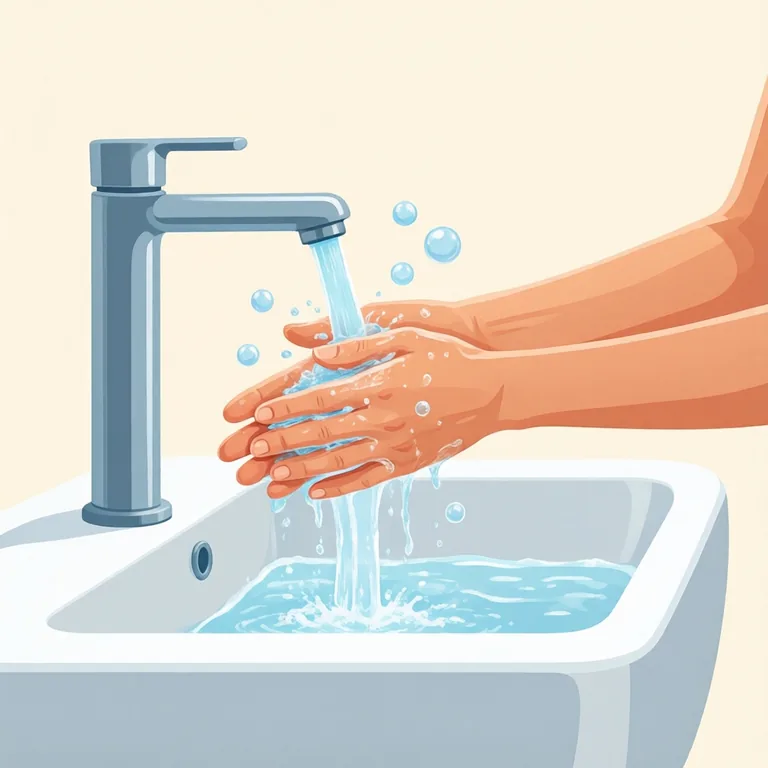
- v. 洗, 洗涤
- n. 清洗
- Definition
- v. to clean something using water
- n. an act of cleaning something with water
- Example
- Don't forget to wash your hands before eating lunch.
- 吃午饭前别忘了洗手。
Synonyms & Differences 近义词辨析
Compared meaning: to clean something with water (verb).
比较义项:用水把东西弄干净(动词)。
- wash 本词
The most common, neutral word for cleaning with water; used for almost anything, with no implication of effort or special thoroughness.
最常见、最中性的清洗用词,几乎可用于任何东西,不强调用力或特别彻底。
She washed the vegetables under cold running water before cooking.
她在做饭前用冷水冲洗了蔬菜。
- scrub
Implies cleaning by rubbing hard, often with a brush, to remove stubborn dirt or stains; more physical effort than wash.
强调用力搓洗(常用刷子),以去除顽固的污渍或脏东西,比 wash 更费力。
He scrubbed the bathroom tiles until the mildew stains disappeared.
他用力擦洗浴室瓷砖,直到霉斑消失。
- cleanse
A more formal word stressing thorough removal of dirt, germs or impurities; common in skincare and medical contexts rather than everyday chores.
语气更正式,强调彻底清除污垢、细菌或杂质,常用于护肤或医疗语境,而非日常家务。
The nurse gently cleansed the cut before covering it with a bandage.
护士在包扎伤口前轻轻清洁了伤口。
- launder
A formal or slightly old-fashioned word meaning specifically to wash, and often iron, clothes or fabric; not used for other objects.
正式或略显过时的用词,专指洗涤(常包括熨烫)衣物或布料,不用于其他物品。
The hotel launders all its bed linen and towels every single day.
这家酒店每天都清洗所有床单和毛巾。
All four mean to clean with water. Wash is the most general word, for almost anything. Scrub means rubbing hard to remove stubborn dirt. Cleanse is formal, removing dirt or germs, in skincare. Launder means washing and ironing clothes. The money-laundering sense is not compared.
这四个词都表示「清洗、弄干净」,但语气和用法不同:wash 最通用,几乎可指清洗任何东西;scrub 强调用力搓洗以去除顽固污渍;cleanse 语气正式,强调彻底清除杂质,常用于护肤或伤口护理;launder 专指洗涤(常包括熨烫)衣物,语气较正式。这里不比较 launder 的「洗钱」义。
Compared meaning: the act of washing something (noun).
比较义项:用水清洗物品的动作(名词)。
- wash 本词
Refers to a single, often quick instance of cleaning, especially in informal phrases like 'have a wash' or 'give something a wash'.
指一次单独、通常较快的清洗动作,常出现在have a wash或give something a wash这类口语说法中。
She has a quick wash every morning before school.
她每天早上上学前都会快速洗一下。
- washing
Typically appears as a gerund or process noun for the ongoing activity of cleaning something, not a single quick instance.
通常以动名词或表示过程的名词形式出现,指清洗某物这一持续性的行为,而不是一次快速的动作。
Washing the windows took much longer than she expected.
洗窗户花的时间比她预想的要长得多。
Wash and washing both mean cleaning with water. Wash is usually one quick instance, as in 'have a wash'. Washing is a gerund for the ongoing process, not one quick action. Washing can mean clothes waiting to be cleaned; not compared.
两个词都表示用水清洗的动作,但wash通常指一次具体、较快的清洗动作,常用在have a wash或give something a wash这类说法里;washing更侧重清洗这一持续性行为或过程,常以动名词形式出现,语感上更强调过程本身。这里不涉及washing表示“待洗衣物”的其他常见用法。