voter
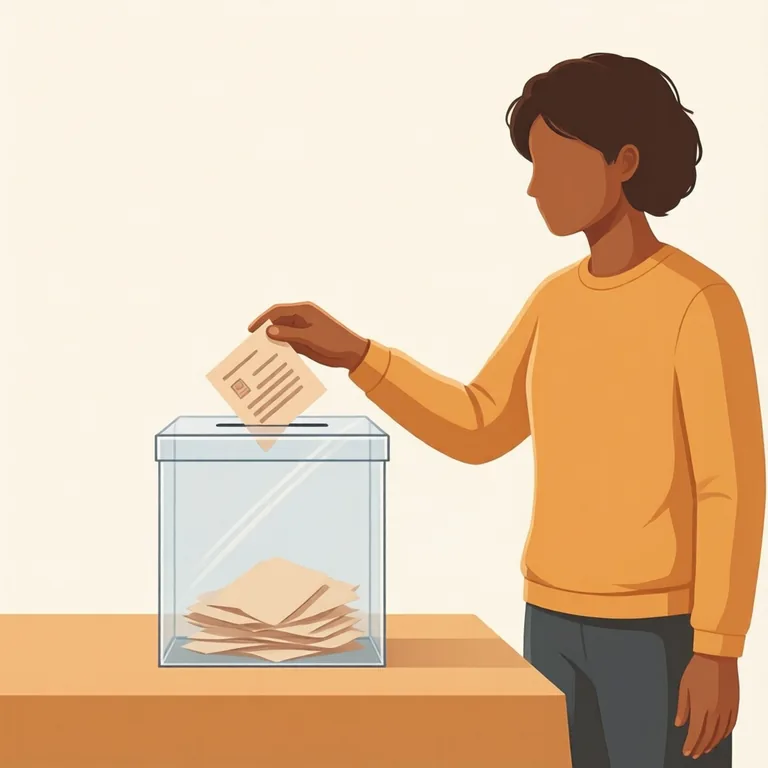
- n. 选民
- Definition
- n. a person who votes, especially in an election
- Example
- Every voter waited patiently in line outside the school.
- 每位选民都耐心地在学校外排队等候。
Synonyms & Differences 近义词辨析
Compared meaning: a person who can vote (noun).
比较义项:选民;有投票权的人(名词)。
- voter 本词
The common, everyday word for a person who casts a vote or is entitled to; used in ordinary news reports and conversation about elections.
这是日常用词,指投票的人或有投票权的普通人,常见于新闻报道和日常对话中谈论选举时使用。
Millions of voters lined up early to cast their ballots in the general election.
数百万选民早早排队,在大选中投票。
- elector
A more formal, legal or official word for a person with the right to vote, typical of statutes, electoral rolls or constitutional contexts; sounds stiff in casual speech.
这是较正式、偏法律或官方色彩的用词,指有投票权的人,常见于法规、选民名册或宪法性语境,用在日常口语里会显得生硬。
The law states that every registered elector must present valid identification at the polling place.
法律规定,每一位登记在册的选民必须在投票站出示有效身份证件。
Voter and elector both mean a person who can vote, but voter is common in everyday speech and news, while elector is more formal, used in legal, official, or historical contexts like electoral rolls.
这两个词在“选民”这一义项上意思相近,但语体不同:voter 是日常和新闻报道中最常用的说法,指投票或有权投票的普通人;elector 语气更正式,常见于法律条文、选民名册或宪法/历史语境,日常口语中较少使用。