value
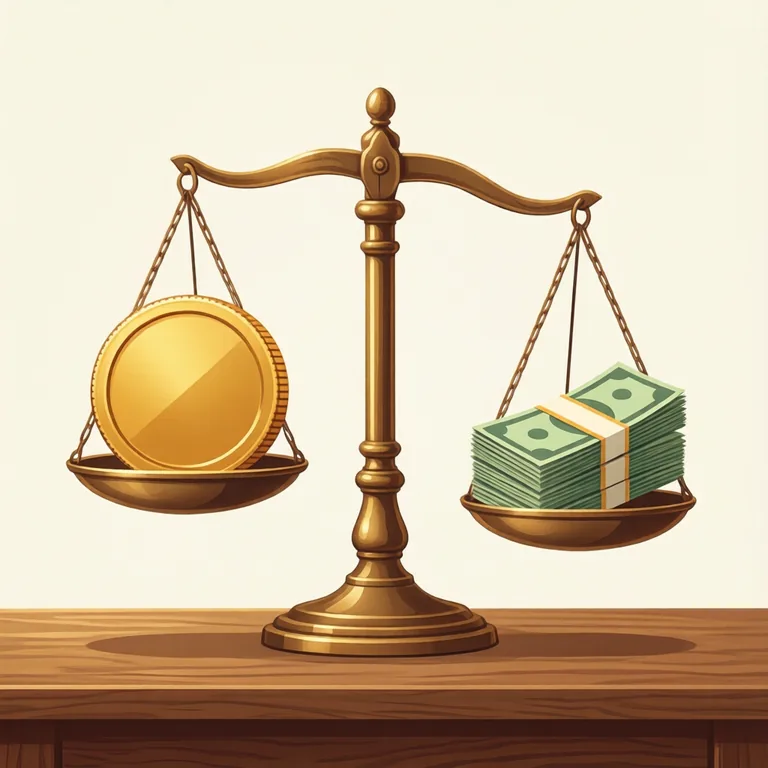
- n. 价值, 价格
- n. 价值观, 准则
- v. 重视
- v. 评价
- Definition
- n. the importance, worth, or price of something
- n. a principle or standard of behavior
- v. to think that something is important
- v. to estimate its worth
- Example
- Old furniture can increase in value over the years.
- 旧家具的价值会随着时间增加。
Synonyms & Differences 近义词辨析
Compared meaning: to think highly of someone or something (verb).
比较义项:重视、尊敬(动词)。
- value 本词
to consider something important, useful or worthwhile; used mainly with qualities, opinions or efforts rather than with a person alone; neutral, everyday register.
表示认为某事物重要、有用或有价值,主要用于观点、努力等,较少单独用于人;语气中性,日常常用。
I really value your honest feedback on my writing.
我真的很重视你对我写作提出的坦诚意见。
- respect
to have a positive regard for someone because of their qualities, position or rights; the most common of the three, used in both everyday and formal contexts.
表示因某人的品质、地位或权利而对其怀有积极的评价,是三者中最常用的词,日常和正式场合都适用。
Students should respect their teachers, even when they disagree with them.
学生即使不同意老师的看法,也应该尊敬他们。
- esteem
a stronger, more formal word than respect, meaning to admire and think very highly of someone; rarely used as a plain verb in casual speech.
比 respect 语气更强、更正式,表示非常敬重钦佩某人;在口语中很少作动词单独使用。
Colleagues esteem her greatly for the honesty she brings to every decision.
同事们都非常敬重她在每一个决定中展现出的诚实。
Value, respect, and esteem can all mean to think highly of someone or something. Value is neutral, often used for qualities or efforts, not just people. Respect is the most common of the three. Esteem is stronger and more formal, rarely used in casual speech.
这三个词都可以表示对某人或某事怀有积极的重视或敬重之情,但语气和用法不同:value 语气中性,常用于观点、努力或事物,较少单独用于人;respect 是日常最常用的词;esteem 更正式、语气更强,口语中较少见。这里不比较 value 表示“价值、价钱”的名词义项,也不比较 respect 和 esteem 作名词(尊重、敬重)时的用法。
Compared meaning: to judge the worth or quality of something (verb).
比较义项:评估、判断价值或质量(动词)。
- evaluate
General, careful judgment of overall quality, effectiveness or worth, often using set criteria; common for performance, work or ideas, aimed at understanding or improving something rather than fixing a price.
泛指对整体质量、效果或价值进行仔细判断,常依据既定标准,多用于工作表现或方案,目的是理解或改进,而不是定出价格。
The school evaluates its teaching methods every year to see what needs improving.
这所学校每年都会评估其教学方法,看看哪些地方需要改进。
- value 本词
Focuses on stating what something is worth in money, often as a specific figure; used for items, assets or companies, especially for insurance, sale or investment, without implying an official inspection.
侧重说明某物值多少钱,常给出具体数字;多用于物品、资产或公司,尤其在保险、出售或投资场合,并不表示经过正式检验。
The insurance company valued the necklace at three thousand dollars.
保险公司将这条项链估价为三千美元。
- assess
Judges the condition, extent, severity or amount of something, often to decide what action is needed next; common for damage, risk, needs or a patient's condition, not primarily about price.
判断某事物的状况、程度、严重性或数量,常是为了决定接下来该怎么做;多用于损失、风险、需求或病人病情,不主要涉及价格。
Firefighters were still assessing the extent of the storm damage when we arrived.
我们到达时,消防员仍在评定这场风暴造成的损失程度。
- appraise
Formal, expert valuation of money worth, especially of property, art or jewelry, carried out by a qualified appraiser; stronger sense of official inspection than value.
对金钱价值进行正式、专业的评定,尤其用于房产、艺术品或珠宝,由具备资格的评估师执行;比value更强调正式检验的意味。
A local jeweler was hired to appraise the antique ring before the auction.
拍卖前,一位本地珠宝商受雇对这枚古董戒指进行估价。
Evaluate, value, assess, and appraise mean to judge worth. Evaluate judges carefully using set standards. Value states a price or figure. Assess judges condition or amount to decide action. Appraise is formal, expert valuation of property or art. Value's 'treasure' sense is not compared here.
这几个词在“判断价值或质量”这一意义上很接近,但侧重点和正式程度不同:evaluate强调依据标准做整体判断,assess强调判断状况或程度以决定下一步行动,appraise强调由专业人员正式估价,value侧重给出具体金额。这里不比较value表示“珍视,重视”的义项,例如I really value your advice(我很重视你的建议)。